7 Types of Construction Projects and What You Need to Know About Them (Updated for 2025)


We are reader-supported. When you buy through links on our site, we may earn an affiliate commission.
Construction shapes homes, cities and the industries that keep everything running. Whether you’re a professional, a student or simply curious, understanding the types of construction projects helps you see how these builds differ, and why each one matters.
What Are the Types of Construction Projects?
Construction projects fall into several major categories, each with its own purpose, complexity and professional requirements. These categories help builders, developers and planners understand what skills, materials and regulations are needed to complete a project successfully.
1. Residential Construction
Residential construction focuses on housing, including everything from single-family homes to large apartment communities. Because this is one of the most common types of construction projects, it’s also the most regulated to ensure safety, comfort and energy efficiency.
What you need to know:
- Building codes are strict and vary by city. These standards cover electrical systems, foundation requirements, insulation and fire safety.
- Projects often require multiple permits, such as zoning, plumbing and electrical, which can impact timelines if approvals are delayed.
- Labor availability matters. Skilled trades like electricians and plumbers can be in short supply, affecting schedules and budgets.
- Customization drives complexity. High-end residential projects involve frequent design changes, which increase costs and coordination needs.
- Sustainability is on the rise. Solar panels, energy-efficient windows and eco-friendly materials are becoming expected rather than optional.
2. Commercial Construction
Commercial construction includes office towers, shopping centers, medical buildings, restaurants, hotels and gyms. These are the types of commercial construction projects that fuel economies and attract both businesses and consumers.
Key insights:
- Codes and regulations are more complex because these buildings serve the public. That includes fire suppression systems, ADA requirements, accessibility ramps, wider corridors and advanced HVAC systems.
- Technology is a major cost factor. Commercial spaces often need integrated security systems, data cabling, digital signage and smart-building features.
- Multi-phase planning is common. For example, expansions or renovations often take place while business remains open.
- Commercial financing is different. These projects often rely on investors, lenders and long-term ROI projections, meaning timelines and budgets must be predictable.
- Designs focus on functionality and brand identity. Restaurants, offices and retail space must reflect the business’s personality while remaining practical.
3. Mixed-Use Construction
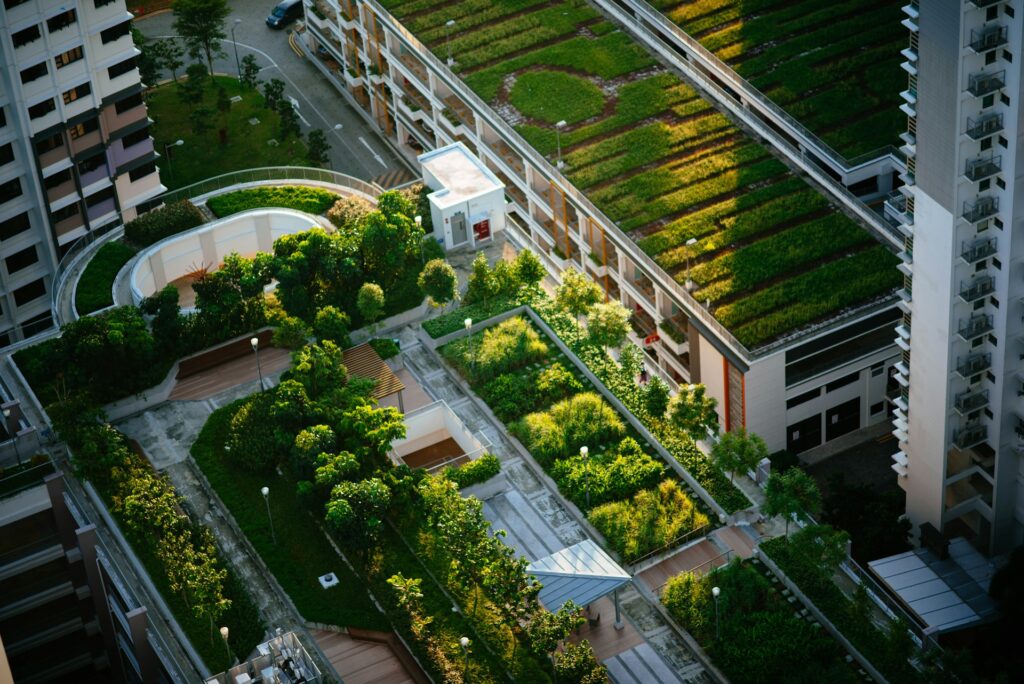
Mixed-use developments combine residential, commercial, office, hospitality and sometimes recreational areas into a single, cohesive project. These projects blend multiple categories into one.
What you need to know:
- Design is complex because each section has different structural, electrical and mechanical requirements.
- Traffic flow matters. Developers must plan for pedestrians, vehicles, delivery trucks and emergency access.
- Zoning approvals can be slow. Cities must evaluate how a mixed-use project will impact traffic, noise infrastructure and economic growth.
- Long-term maintenance planning is critical. Common areas, parking structures and shared systems must be managed efficiently.
- Amenities drive value. Rooftop decks, gyms, parks and retail space enhance community appeal and raise property values.

4. Industrial Construction
Industrial construction centers on factories, manufacturing plants, production facilities, logistics hubs, power plants and large warehouses. These are highly specialized and often engineered for a specific purpose.
Things to consider:
- Safety standards are incredibly strict. Many facilities handle chemicals, heavy machinery or large-scale equipment, requiring advanced safety systems and compliance with OSHA regulations.
- Utility needs are high. These buildings often require 3-phase power, large water supplies, compressed air systems, industrial ventilation and reinforced flooring.
- Workflow efficiency drives design. Production lines, storage zones and loading areas must be positioned for minimal downtime.
- Technology integration is essential. Automation, robotics and IoT sensors are increasingly common in industrial builds.
- Environmental permits may be required. Manufacturers often need emissions control systems, wastewater management plans or noise mitigation.
5. Modular Construction
Modular construction builds entire sections off-site in a controlled factory environment, then transports them to the jobsite for assembly. It’s gaining momentum as one of the most innovative types of construction projects today.
You should know:
- Construction runs in parallel. Site preparation happens while modules are being fabricated, significantly reducing total build time.
- Quality control is excellent because factories maintain consistent conditions and precision machinery.
- Modules must be transported safely, sometimes requiring escorts, special trucks and roadway approvals.
- Finishing work is still needed on-site, such as mechanical connections, facade installation and interior details.
- Costs are easier to predict. Factory-built components reduce weather delays and labor-related uncertainties.
6. Prefabricated Construction
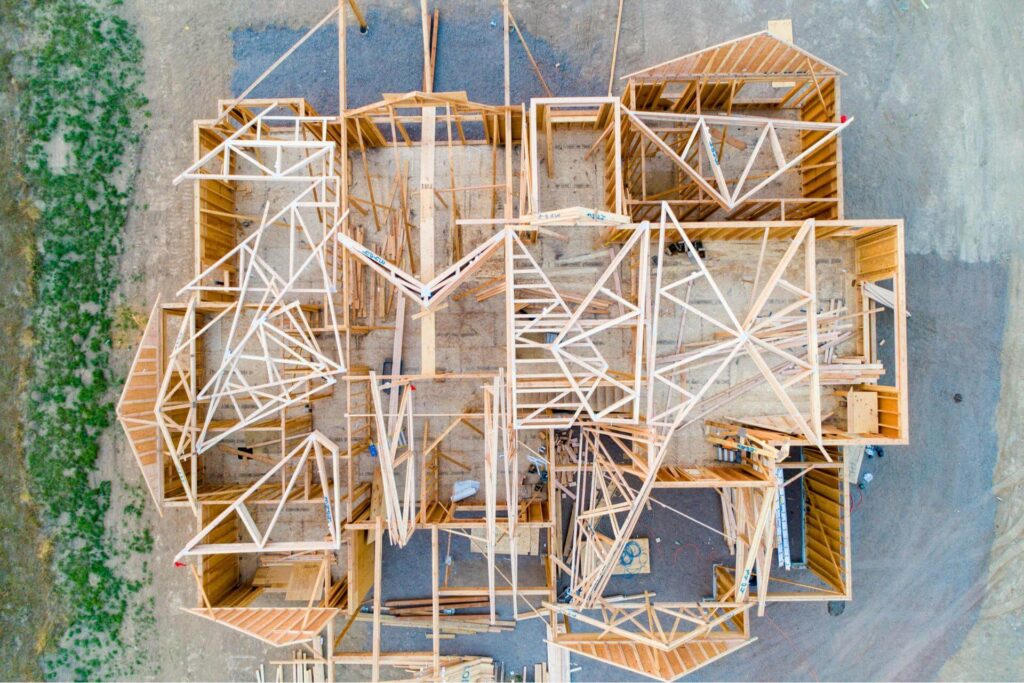
Prefabricated construction involves manufacturing specific building components off-site, such as wall panels, roof trusses, steel frames and bathroom pods, and assembling them on-site. It’s similar to modular construction but typically smaller in scale.
Important details:
- Greatly reduces on-site labor. Crews spend less time measuring, cutting or adjusting materials because components arrive ready to assemble.
- Maximizes material waste. Factory workflows ensure precise cuts, reducing excess lumber, steel and insulation.
- Suitable for residential and commercial projects. For instance, prefab roof trusses are standard in many new homes today.
- Speeds up timelines. A building can go from foundation to fully framed in days rather than weeks.
- Helpful in remote areas. Prefab is ideal for locations where it’s difficult to transport skilled workers or large equipment.
7. Land Reclamation Construction
Land reclamation transforms unusable land, such as wetlands, riverbeds or coastal areas into stable land that can support infrastructure and future construction projects.
What to know:
- Requires major environmental analysis. Developers must assess wildlife impact, water flow, soil conditions and long-term ecological effects.
- Methods include dredging, controlled filling and soil stabilization. Engineers may also build retaining walls or flood barriers.
- Settlement takes time. The land usually must sit and compact naturally before construction begins, which can take months or even years.
- Often tied to coastal cities. Major cities like Dubai, Hong Kong and Singapore use reclamation to expand their buildable land.
- Expensive but long-term. Reclaimed land becomes part of the city’s footprint for generations, making it a major investment.
Safety Factors to Consider

Safety is the foundation of every successful construction project. Neglect it, and even small mistakes can have huge consequences. While every type of construction project comes with its own unique hazards, there are several overarching safety factors that every project manager, contractor and worker must consider:
- Personal protective equipment: Helmets, gloves, steel-toe boots, reflective vest, eye and ear protection are essential across all projects. In industrial or land reclamation sites, chemical-resistant clothing or respirators may also be needed. Consistently enforcing PPE rules can drastically reduce injuries.
- Fall prevention: Falls are one of the main causes of injuries and death in construction. Residential and commercial projects often involve scaffolding, ladders and rooftops, while industrial builds may involve working on high platforms. Guardrails, safety ents and harnesses are nonnegotiable.
- Proper equipment training: Heavy machinery, forklifts, cranes and power tools pose serious risks if operators aren’t properly trained. Modular and prefab construction often require lifting large, pre-built modules safely and a misstep can cause injury and damage.
- Site organization: Cluttered worksites are dangerous. Clear walkways, designated storage areas for materials and clearly marked hazard zones reduce accidents. Good site organization also improves workflow efficiency.
- Environmental hazards: Depending on the project, exposure to dust, noise, chemicals or extreme weather must be managed. For example, industrial construction sites often use loud machinery and hazardous substances, while land reclamation projects may expose workers to waterborne contaminants or unstable terrain.
- Emergency preparedness: Every construction project should have a clear emergency response plan. This includes first-aid stations, fire extinguishes, evacuation routes and communication systems to handle accidents, natural disasters or equipment failure.
- Regular inspections and compliance: OSHA regulations, local safety codes and company safety policies are there for a reason. Regular inspections, safety drills and compliance checks ensure the site remains secure for everyone involved.
How Construction Professionals Can Decide Which Types of Construction to Enter
Choosing the right niche in construction can define a professional’s career trajectory. With so many types of construction projects available, deciding where to focus requires careful thought.
Identify Your Strengths and Interests
Are you more technically inclined, or do you thrive on creative design? Industrial and modular construction often require technical skills, such as understanding large-scale machinery or structural engineering. Residential and mixed-use projects may appeal to those who enjoy architectural design, client interaction and problem-solving on a smaller scale.
Evaluate Financial Goals
Some construction sectors offer higher earnings but come with more risk. Commercial and industrial projects often involve larger budgets, complex regulations and longer timelines, but successful completion can yield significant returns. Smaller-scale residential or prefab projects may provide steadier work with quicker turnaround.
Understand Training and Licensing Requirements
Certain types of construction require specialized certifications. For example, industrial projects may need OSHA-compliant safety training, crane operation licenses or hazardous material handling certification. Prefabricated construction may require skills in modular assembly and precision engineering. Professionals should align their education with the niche they want to enter.
Consider Lifestyle and Work Environment
Industrial and land reclamation projects can require remote work, long hours or travel, whereas residential and commercial construction is often based in urban or suburban areas. Think about work-life balance and personal preferences when making a choice.
Research Market Trends and Opportunities
Look at local and global trends. Urban expansion, housing shortages or increased demand for sustainable construction can indicate where opportunities will grow. For instance, modular and prefab construction are growing due to efficiency and sustainability, while land reclamation projects are rising in coastal cities facing space constraints.

Leverage Mentorship and Networking
Talking to experienced professionals in different niches can provide insights you won’t find in textbooks. Mentors can help you understand the day-to-day realities of various types of construction projects, the challenges you’ll face and the skills you’ll need to succeed.
Test Different Areas Early
If possible, take on short-term projects in multiple sectors to gain experience. Exposure to residential, commercial and industrial work before committing can help identify what aligns best with your skills, personality and career ambitions.
Choosing the right construction path is more than just picking a job. It’s about building a career that balances skill, interest, lifestyle and market opportunity. Professionals who take time to evaluate these factors are better equipped to thrive and contribute effectively to the growing field of construction.
The Blueprint for Moving Forward
The world of construction is vast, and every category plays a role in shaping how we live, work and grow. By understanding the different types of construction projects, professionals can choose the right path, prioritize safety and deliver structures that last. Whether you’re designing homes or transforming unused land, each project offers unique opportunities to build something meaningful.
FAQs
What is the most common type of construction project?
Residential construction is the most common because it directly meets housing needs and applies to every community, from small suburbs to large cities.
What skills do I need to enter the construction industry?
Core skills include safety awareness, basic tool handling, communication and physical endurance. Specialized areas may require certifications or advanced technical training.
Which construction type is best for beginners?
Residential construction is often the easiest entry point. It offers steady work, clear processes and opportunities to learn foundational skills before moving into more complex sectors.
Original Publish Date 5/14/2021 – Updated on 11/28/2025
About The Author
Evelyn is the founder and editor-in-chief of Renovated with over 5 years of experience writing about interior design, construction, and renovation. She is a passionate advocate for improving mental health and safety in the construction industry. When she's not writing, you can find her reading at coffee shops around PA.
Her insights have resonated far beyond Renovated, gracing publications like the National Association of Realtors, Construction Executive, DecorMatters, and Renewable Energy Magazine.
For more insight on design, construction, and everything in between, you can check out Evelyn's portfolio, https://evelynlong.com/.