
We are reader-supported. When you buy through links on our site, we may earn an affiliate commission.
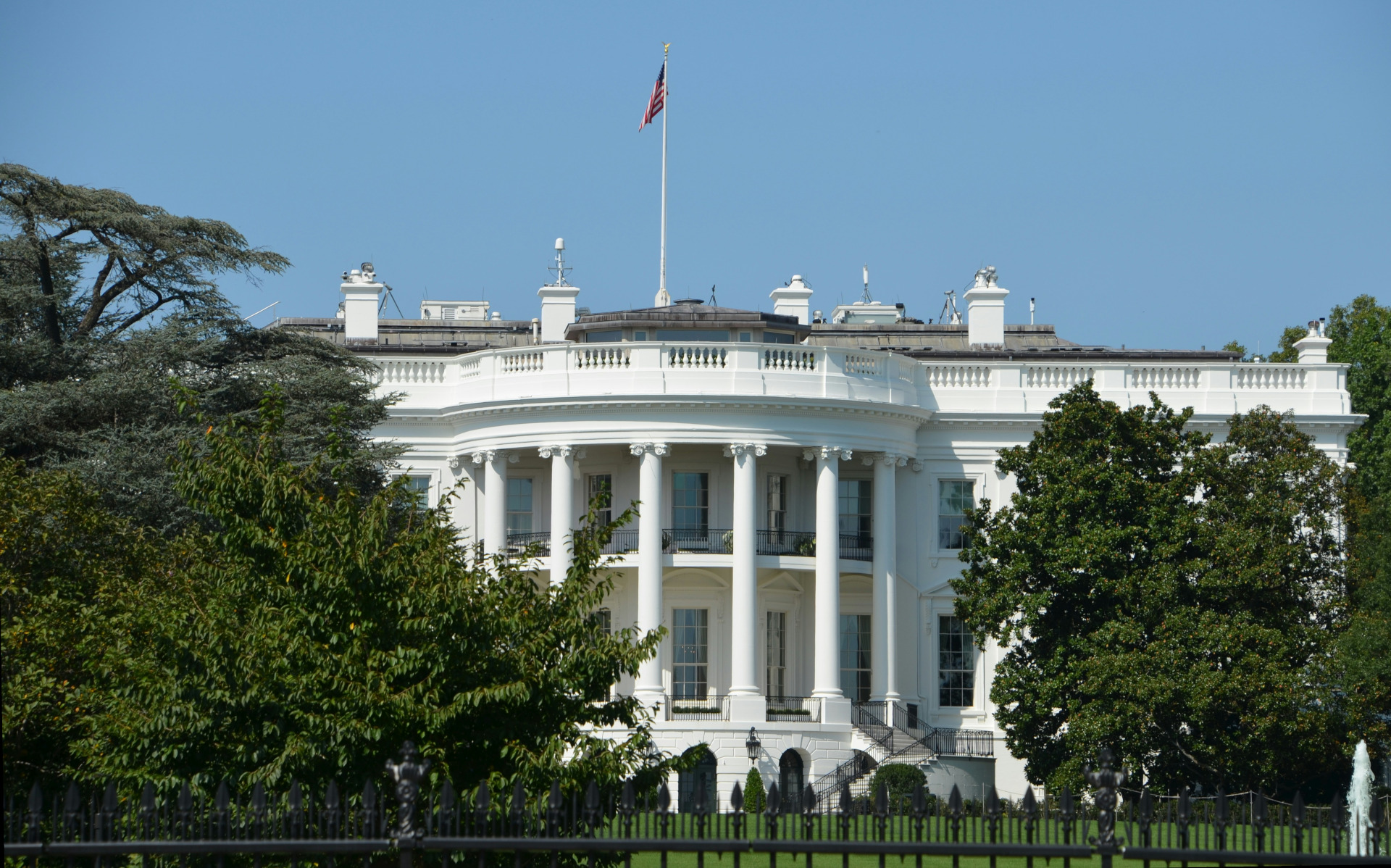
In 2025, the White House began a major construction project — a new ballroom addition to the historic mansion. Here’s what we know, and what the debate around it reveals about historical preservation during renovations and additions.
Although the project is highly controversial, some basic facts are not in dispute:
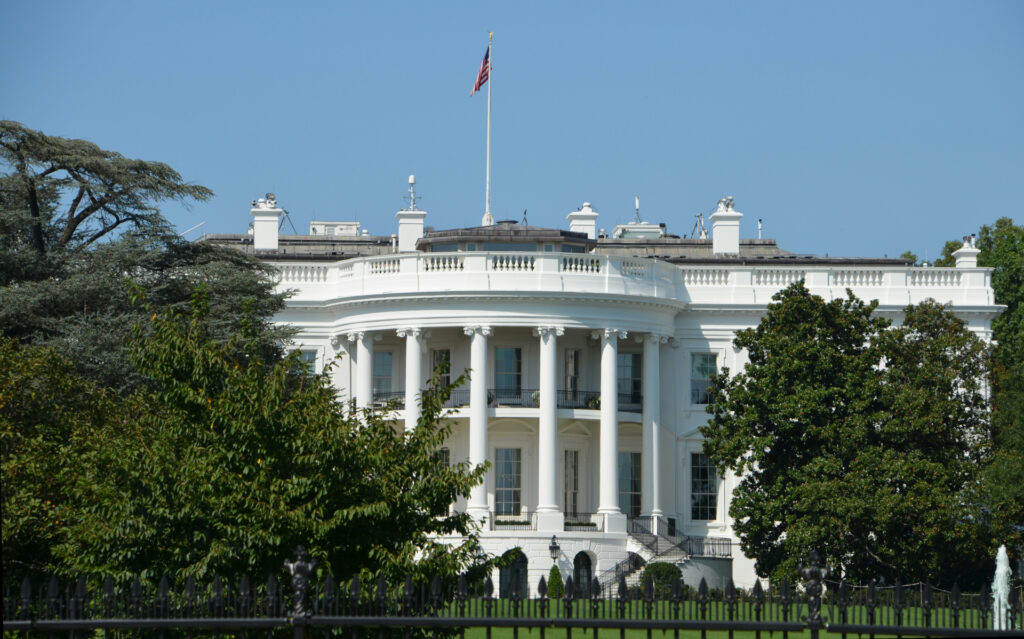
Supporters argue that the White House has evolving functional needs. The current East Room is too small for large diplomatic or ceremonial gatherings. Previous administrations have had to rely on large outdoor tents for major functions. The new ballroom is pitched as a permanent, dignified space suitable for state dinners and grand receptions.
The project has triggered sharp criticism from preservationists, historians and architects. Key objections include:
For builders, contractors and design practitioners, the White House ballroom project offers several lessons.
Even privately funded additions to iconic national heritage properties warrant rigorous documentation, archival recording and cultural review — before demolition begins.
When additions threaten to overshadow the original structure in scale or aesthetics, they risk damaging the character of the historic building.
Preservation frameworks, even when not legally mandated, are vital for public trust. It’s vital to fully engage with all stakeholders, including experts and architectural oversight bodies, to ensure accountability and a design that honors both history and future use.

Matching materials and classical motifs is not sufficient. A new addition should respect spatial relationships, rhythm, scale and proportion to avoid creating a discordant “add-on”.
“Historic renovation isn’t just about restoring old surfaces — it’s about compatibility,” explains Ahmed Harhara, Ph.D., Engineer and Founder at HoustonHomeTools.com. “Any new system, whether structural, HVAC or electrical, has to respect how the existing system breathes, expands and carries load.”
The White House ballroom addition teaches that while functional adaptation is legitimate, thoughtful planning and open dialogue are essential when updating historic landmarks. Construction professionals can honor the past by embracing best practices in public engagement, stakeholder input and regulatory compliance — ensuring heritage sites remain vibrant, relevant and respected.