
We are reader-supported. When you buy through links on our site, we may earn an affiliate commission.
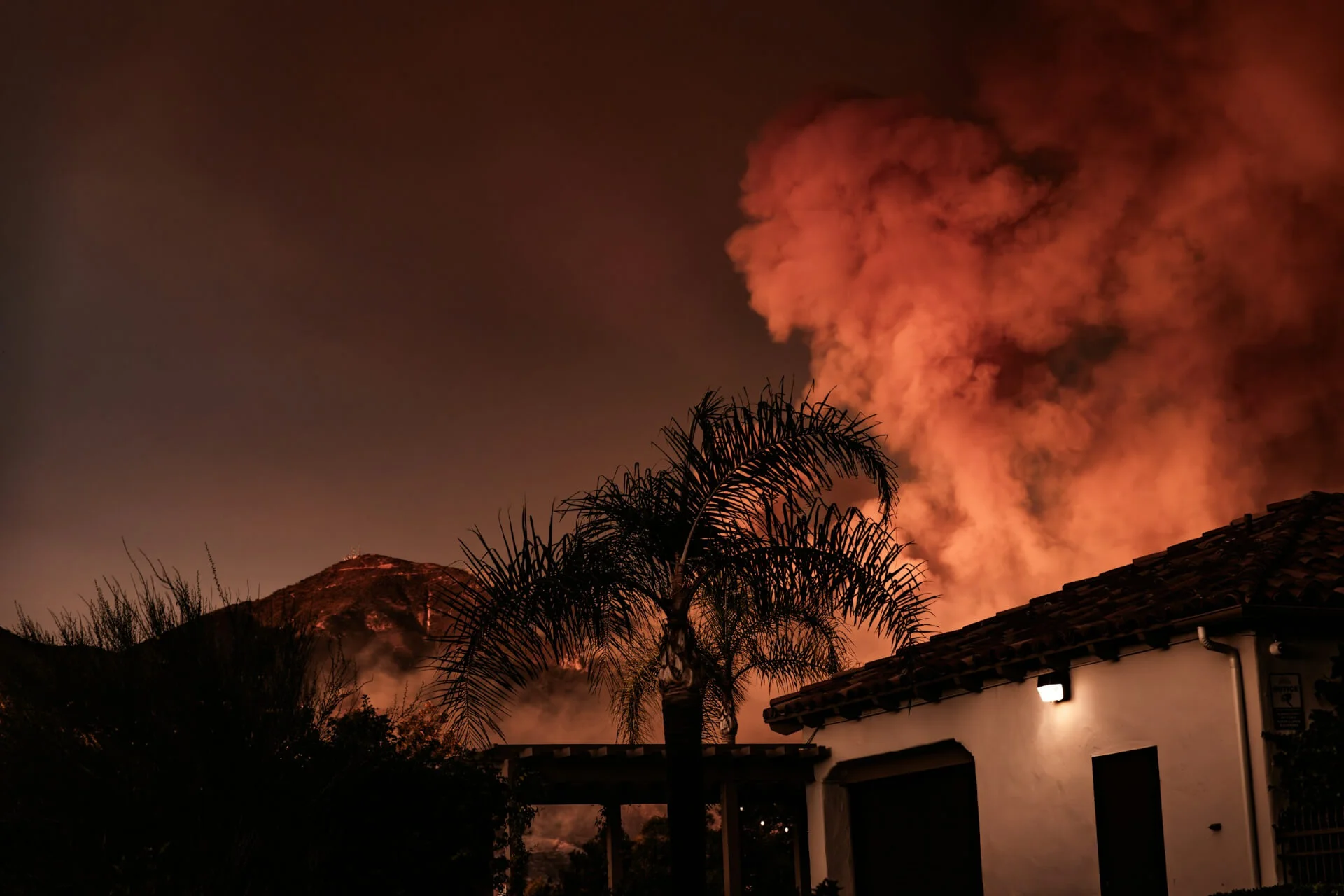
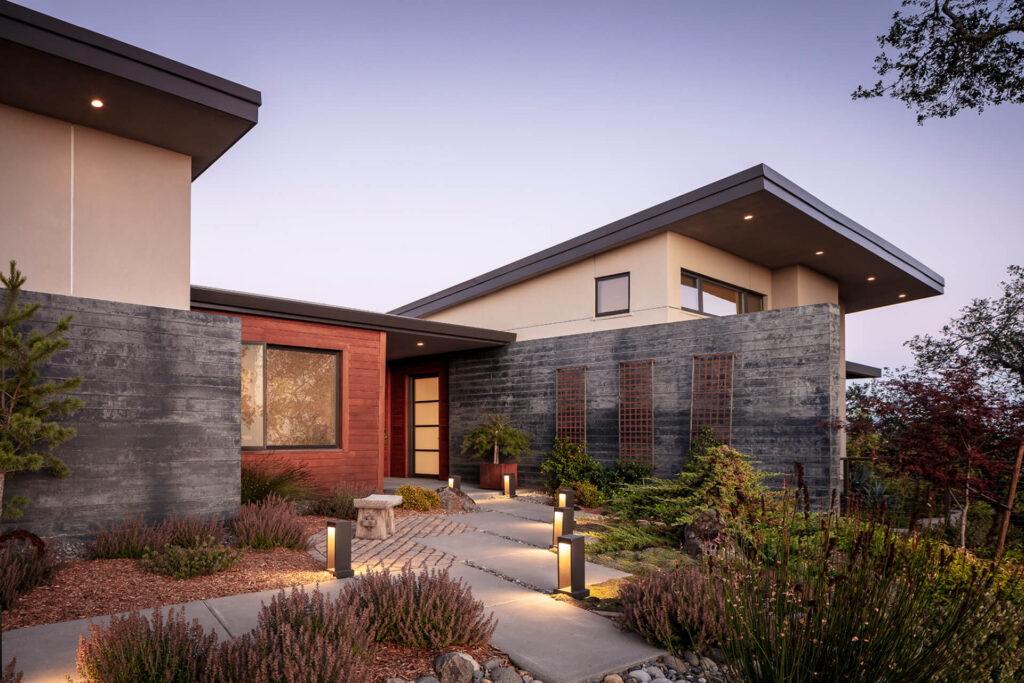
In October 2017, the Tubbs Fire ripped through Northern California’s wine country region and destroyed thousands of structures, half of them homes in the city of Santa Rosa. Among the homes razed was a hillside residence in the Fountaingrove area. What followed became a case study in fire-resilient design, as the house was rebuilt as a true wildfire-proof house, with noncombustible construction and next-generation materials.
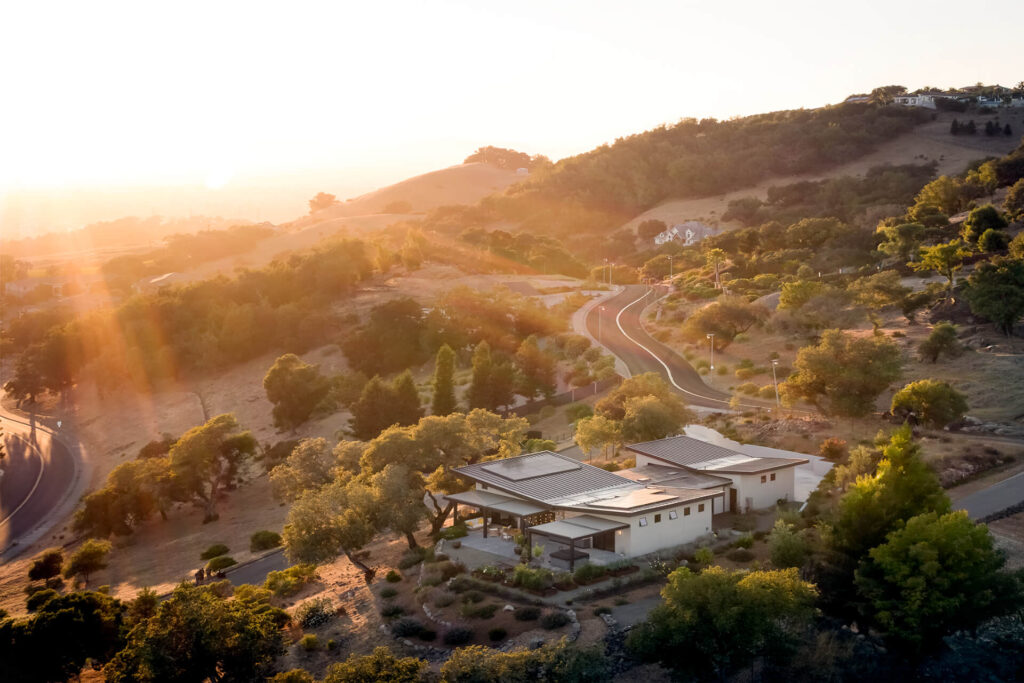
The rebuilt home, known as the Steen House, uses fireproof building materials as a structural panel system from RSG 3‑D, an integrated concrete, steel and modified expanded polystyrene envelope.
According to the company, “The risk of wildfire and earthquake is not receding, particularly in California, and as wildfire season intensifies, communities face mounting environmental challenges. This underscores the urgent need to strengthen both resilience and energy efficiency. The Steen House serves as a model for communities in wildfire-prone regions, illustrating how our built environment can evolve to withstand the growing impact of climate change while building smarter, more efficient homes.”
The model provides real-world lessons for anyone buying, selling or renovating a home in a fire zone or simply seeking ways to make a home more fire-resistant. Let’s explore how you can apply the same principles.
The Steen House is more than a rebuild. It’s a blueprint for living safely in wildfire country. Every element, from its walls to its windows, was chosen to resist flames, heat and embers. Here’s what sets this California fire-resistant home apart and how those same design principles can impact neighborhoods across the West.
The core of this fire-resistant design is a panelized system, with concrete sprayed over steel mesh with built-in insulation, forming an ignition-proof and highly insulated assembly. RSG 3-D describes their innovative system as, “Using concrete and steel construction, our system is decades ahead of global structural and energy codes. The result is a building envelope that delivers a lifetime of savings for energy, maintenance, and insurance, while proving that strength and sustainability can be both innovative and attainable.”
Such construction methods differ radically from typical wood-frame homes, which rely on combustible materials. In wildfire-prone zones, your material choice is one of the first lines of defense.
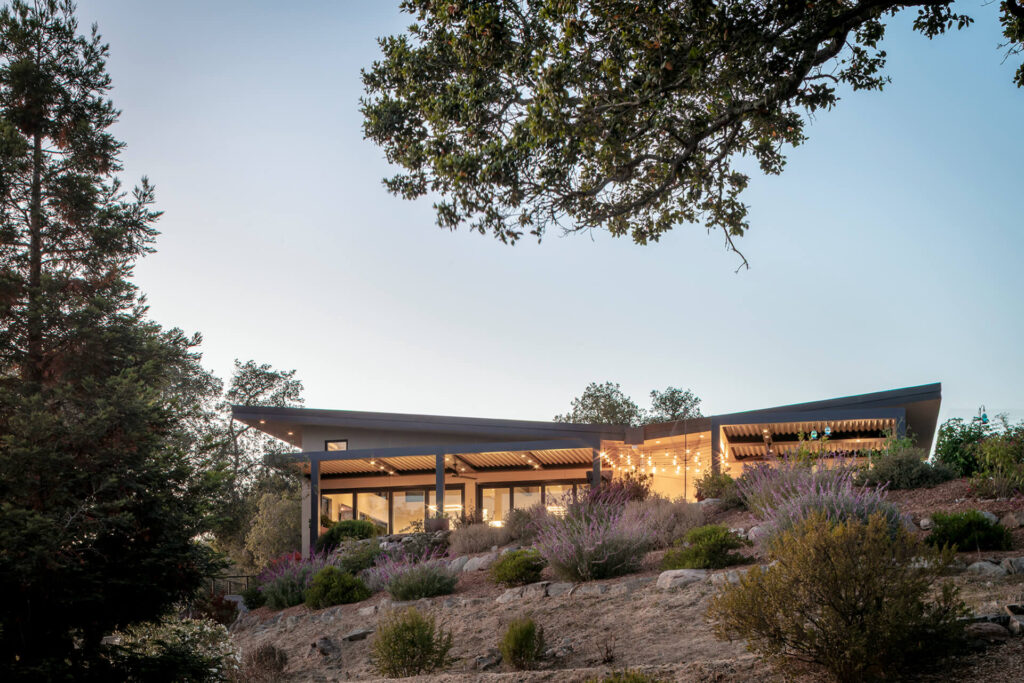
The Steen House sits on a 1.03-acre hilltop compound outside Santa Rosa, California, in the Fountaingrove region. Wind-blown embers and terrain-driven fire behaviour make hillside sites especially vulnerable. Fire experts emphasise that home hardening and defensible space are key. Take steps such as clearing vegetation for at least 30 feet of the house to reduce loss.
A fireproof house’s design integrates landscape defensibility by choosing nonflammable hardscape near the structure and fuel-reduced planting farther out. This approach is clearly seen in property photos, with minimal fuel available for any approaching fires.
Combining these elements makes the home far more likely to survive than a conventional structure in a wildfire event. Key design features aligned with fire-resistant dwellings include:
In addition to fire hardening, the panel system contributes to energy efficiency and occupant comfort. The house uses its mass and insulation as a thermal sink, helping regulate interior temperatures despite exterior heat events. That dual benefit of resilience and efficiency is becoming central to luxury and custom homes in fire-prone regions.
These actionable takeaways can save your property if you live in or plan to buy or sell in a wildfire-prone area such as California, Oregon, Colorado or British Columbia.
Opt for nonflammable exterior materials like concrete, steel, fiber-cement siding, and metal roofing. Avoid exposed wood siding, open eaves, shake shingles, and untreated decks. Use ember-resistant ventilation and fire-rated windows, which are the primary methods in new fire‐resistant home construction.
If you aren’t building new, you can still increase resilience:
One common concern is cost. Fortunately, research shows that building fire‐resistant from the start only adds roughly 2-3 % to construction costs compared to standard practices. A home costing $500,000 in Southern California is about $10,000-15,000 extra. This is a modest premium given the protection offered.
No fireproof house is completely immune. The surrounding fuel, wind conditions and community density all matter. Studies show that homes spaced farther apart and cleared of nearby fuels have significantly better survival odds.
When buying or selling, check setbacks, vegetation clearance, roof and siding status, and whether home-hardening measures are documented.
If you’re selling a home that has undergone fire-resistant upgrades or using a fire-resilient new build as your listing, highlight the use of fire-resistant building materials. Identify any certification or documentation of hardening and calculate the fees or insurance savings tied to reduced risk.
For buyers, ask about the home’s hardening, landscape defensibility and material choices as these drive long-term value and security.
Construction demands are shifting with climate change to accommodate longer fire seasons, harsher fire weather, and expanding wild-urban interface zones. California is revising building codes and pushing retrofitting guidelines.
Projects such as the Resilient Palisades in Los Angeles, which uses RSG 3-D’s Structural Concrete Insulated Panels, show that fire-resistant construction is moving from niche to mainstream.
Integrating fire-resistant design, materials and home hardening can dramatically increase home survival through severe wildfires. That’s why the California Wildfire Mitigation Program is steadily trying to help residents in at-risk areas fireproof their homes through strategic hardening and burn zone clearance around properties.
For sellers and buyers, this means homes built or upgraded for fire resilience will likely carry a competitive edge in wildfire‐prone markets.
Take the example of this fire-resistant property that survived the 2025 Palisades Fires. The owners integrated various ignition-proofing measures like a green roof, sprinklers and concrete sidings to protect their home from the blaze.
The concept of a truly “wildfire-proof house” may sound ambitious, but the Steen House in Santa Rosa shows it is quite possible. By combining noncombustible materials, smart site planning, hardening strategies and a defensible surrounding landscape, you can significantly reduce your home’s risk.
Whether selling, buying or upgrading your property, remember that fire-resistant home design is no longer optional. In many fire-prone zones, it is becoming expected. Having documented upgrades or advanced material construction may boost both your peace of mind and market value.
By embracing the lessons from California’s fire science and advanced construction systems, you can transform your property into a safer, better-protected home without selling or relocating.
Start with building materials like nonflammable siding and roofing, install ember-resistant vents, maintain a 30-foot defensible space around the house, clear vegetation and document upgrades for insurance or resale.
Materials include steel or concrete wall systems, fiber-cement siding, Class A fire-rated roofs, fire‐resistant windows and ember‐resistant venting systems. The RSG 3-D panel system is one example of an integrated ignition-resistant assembly.
Look for nonflammable or ignition-resistant assemblies in brick, stone, concrete panels, steel framing, fiber-cement siding, metal roofing and tempered or dual-pane glass. Choose products tested for radiant heat, embers and flame exposure.
Methods involve using steel or concrete framing, panelised systems like RSG 3-D, eliminating wood structural members, covering openings against ember intrusion and designing the home and landscape for defensibility.
Features include nonflammable walls and roof, sealed soffits and vents, ember-screens, adequate setbacks from vegetation, metal or tile roofs, fire-resistant decks and strategic landscaping. Homes should also integrate structurally fire-resistant systems to reduce ignition risk.
How fireproof is your home? Share your story on our Twitter feed.