


We are reader-supported. When you buy through links on our site, we may earn an affiliate commission.
Container homes are compelling alternatives to traditional residential dwellings. They’re affordable, weather-resistant, and sustainable, especially with prefabricated components. Although many criticize their boxy appearance, container home plans are anything but tacky. Learn about the most common floor plans, factors to consider when comparing them and more.
Construction professionals push the boundaries of architecture to demonstrate how beautiful and functional houses made with shipping containers can be. These five are the most popular container home floor plans.
This floor plan maximizes every square inch of a standard dry container, which is 20 feet long, 8 feet wide, and 8 feet high. Using high cube shipping containers increases the ceiling height by a foot.
A typical layout places the kitchen and dining area in the middle. Next to it is the bathroom, which is about half as wide as the container to provide adequate clearance for the pathway leading to the bedroom.
One of the corners belongs to the bedroom to maximize natural light and ventilation with multiple large operating windows on different walls. The other corner is for the living room, which is as large as the kitchen and airy as the bedroom.
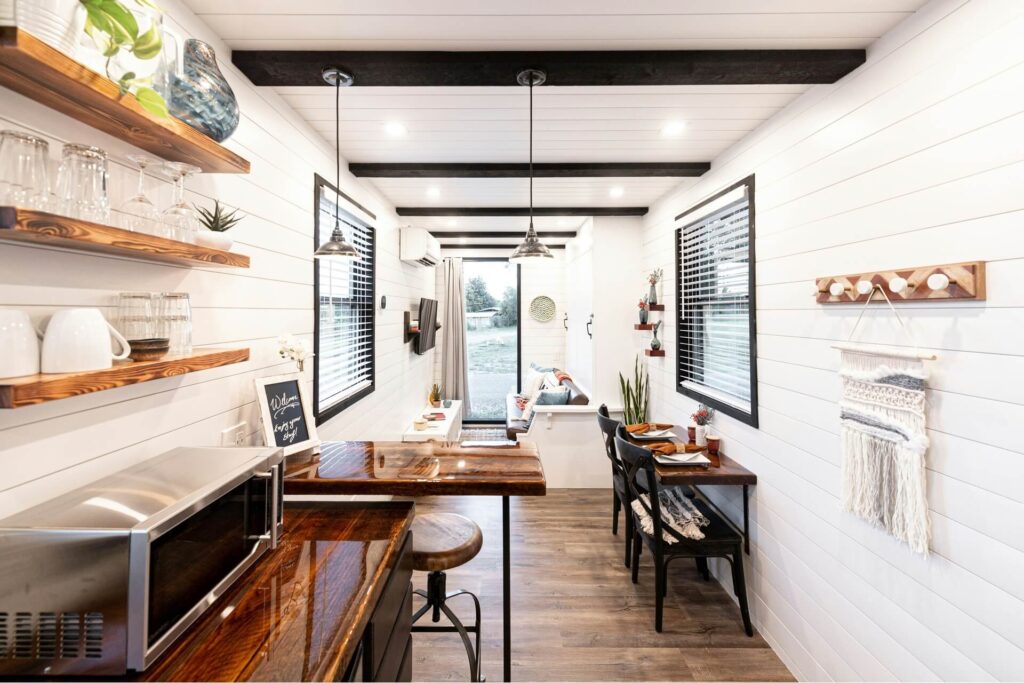
The entry door can be in the middle, opening onto the kitchen. Alternatively, the front door can be at the end of the living room.
This container home plan includes an upstairs bedroom accessible by a staircase, freeing more space for the other rooms on the lower level. Versions with multiple containers increase the square footage, but many builders can achieve this design with one to minimize its initial cost.
This floor plan connects two shipping containers in an L shape, where one can be shorter than the other. It creates an interesting interior layout, partly enclosing the yard.
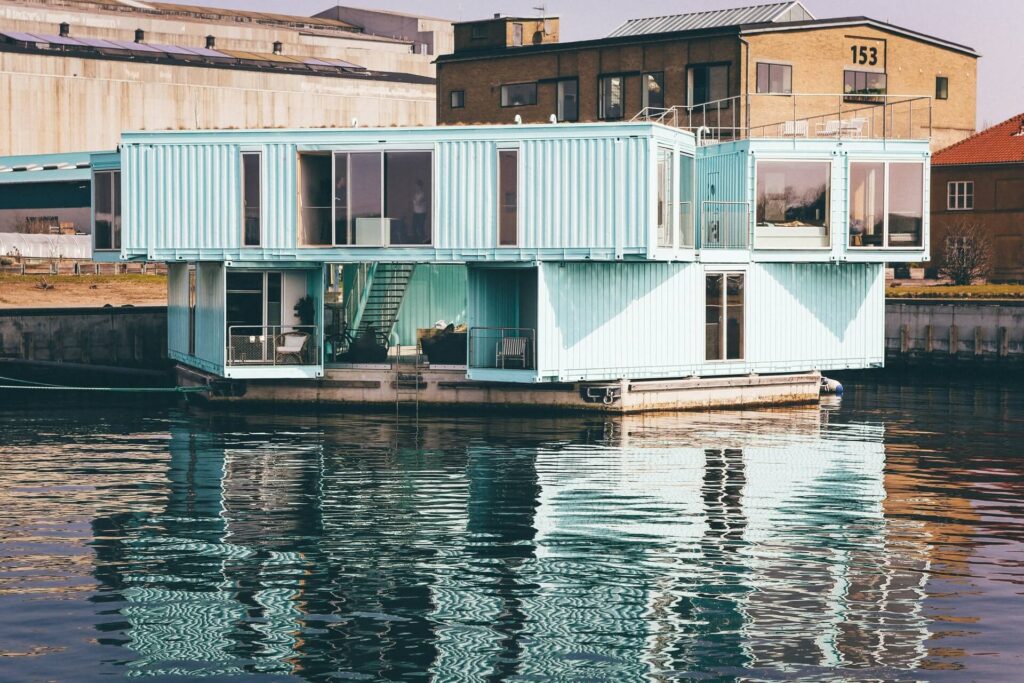
This shipping container home plan features two container homes stacked perpendicularly. It creates various functional layout possibilities and different views of the surroundings. The upper floor naturally creates a shaded outdoor area below, which you can use as a patio or carport. Cross-stacked container homes have high curb appeal because of their distinct look.
This plan is similar to single-story designs, except it incorporates addable and removable sections that can change the overall livable space to adapt to new needs, like a guest room for a visiting loved one or friend. These container homes consist of sliding or collapsible modules you can conveniently expand or contract.
Consider the following factors to select the plan that fits your lifestyle and budget:
Standard container home plans are good enough for many people, but not perfect for everybody. Customization matters to avoid settling for a house that ticks only a few of your boxes.
Regular floor plans are often customizable. The extent to which you can modify a premade design depends on your chosen builder’s capabilities.
For instance, Butler, Missouri-based Custom Container Living’s Double Duo is appealing as it is. It comprises two 40-foot-long shipping containers, has 640 square feet of floor space, and features a roomy living room, two bedrooms, and a fully equipped kitchen and bathroom. Plus, it’s customizable to suit different aesthetic preferences. Partially finishing its plain white board-and-batten exterior with wood is an example.
Luxury shipping container homes are generally customized through and through. The greater the customization, the higher the cost. To avoid overextending your project, aim to minimize changes.
The days when living in a container home meant living in a long metal box are gone. Innovative builders have pushed the envelope of architecture, construction, and interior design to turn used shipping containers into stunning properties full of character. Explore as many floor plans as possible to draw inspiration for your project.
Here are the answers to the most common questions about container homes.

A container home can cost five figures or in the low six figures to build. You may spend more if you customize the floor plan entirely. Buying a container home saves you on labor and materials. Still, it involves site-work-related costs, including building permit fees.
A container home can last for decades. Shipping containers are made from corten steel and corrugated to withstand the rigors of ocean freight, allowing them to endure the harshest conditions.
However, you must maintain it properly to prevent premature damage and make it your forever home. Adequate insulation installation, rustproofing, routine inspections, and timely repairs are crucial for the upkeep of a container home.
When properly manufactured and correctly installed, container homes are as safe as traditional houses. However, manufacturing and construction errors can offset shipping containers’ inherent durability and weather resistance.
Entrusting your project to a reputable container homebuilder is vital. A valid license, a high Better Business Bureau rating, a broad range of customizable container home plans, and an impressive record of past projects are hallmarks of a trustworthy contractor.