
We are reader-supported. When you buy through links on our site, we may earn an affiliate commission.
Furniture thrifting is fun, good for the environment and can save you a lot of money, but striking gold can feel very hit and miss at times. However, I’ve learned that finding incredible secondhand furniture isn’t about luck — it’s about strategy.
Once I figured out a few tricks, I started spotting pieces that other shoppers completely overlooked. It starts with knowing where to go and when, and then learning what to look for once you’re in the store. If you’ve ever wondered how to thrift furniture successfully, these are the 11 secrets that consistently help me find the best pieces.
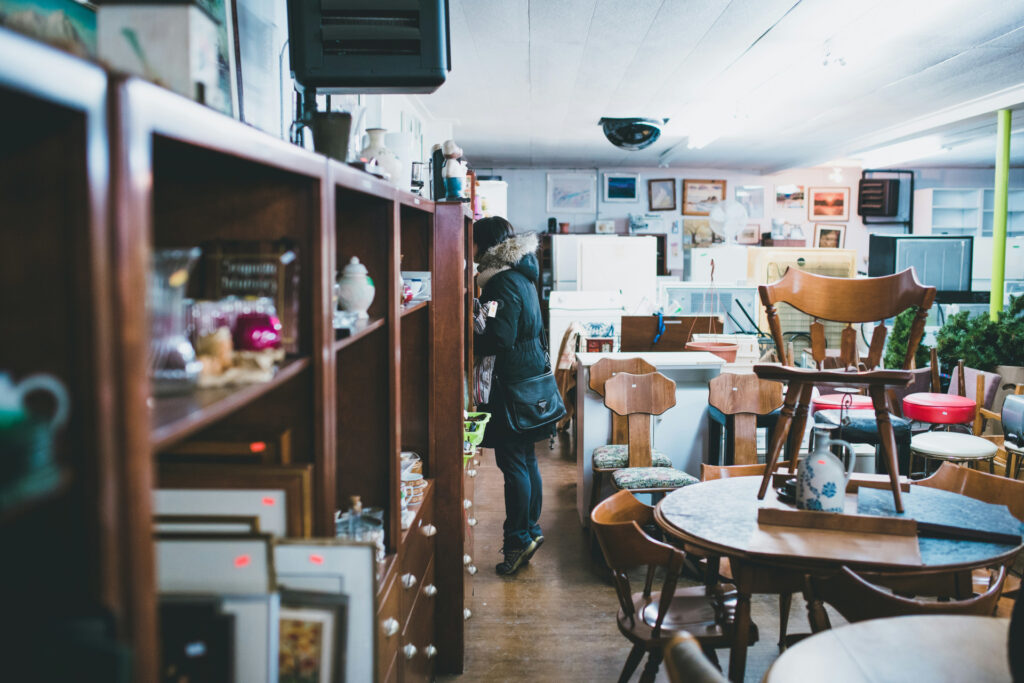
Timing is one of the best-kept secrets in furniture thrifting.
The biggest influx of secondhand furniture happens when people move. Key thrifting seasons include:
If you’re trying to work out how to thrift successfully, showing up right after donation spikes dramatically increases your chances.
Not all thrift stores are created equal.
If you want to find higher-quality secondhand furniture, location matters a lot. Here’s a simple guide I’ve figured out:
| Thrift Store Location | Typical Furniture Finds |
| Wealthier suburbs | Higher-end brands, solid wood pieces |
| College towns | Budget furniture, smaller pieces |
| Older neighborhoods | Vintage and antique furniture |
| Newer developments | Modern styles, barely used items |
I don’t only shop near my home anymore. Sometimes I plan trips around neighborhoods that are known for estate sales or older homes. That’s often where the best thrifted furniture shows up.
One of my favorite ways to find hidden furniture deals is by looking outside that section entirely. Many thrift stores place smaller pieces in unexpected areas like lamp and decor sections, office supply areas, entryway displays or kids departments.
I once found a gorgeous midcentury nightstand sitting between stacks of board games because it was “small furniture.”
If you’re learning how to thrift furniture for the bedroom, don’t just browse the bedroom aisle. Check every corner of the store.
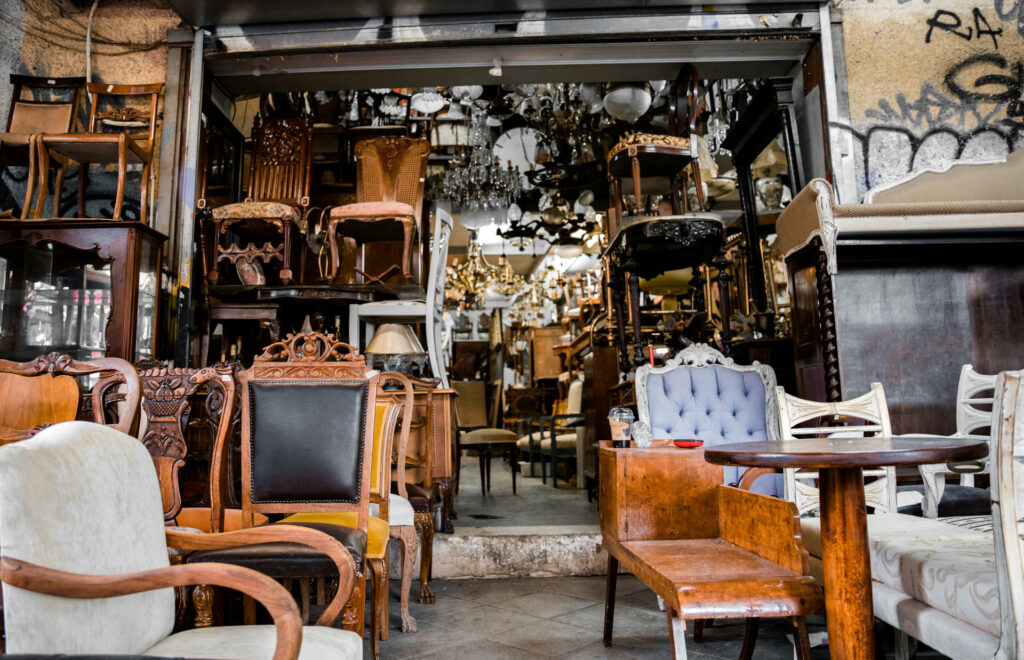
The latest statistics show that 83% of Gen Z are thrifting or would like to, and 49% of thrifters are looking for furniture. That’s great news for sustainability, but let’s be honest, it’s a lot of competition for good pieces.
The good news is that many shoppers only notice the finish, color or fabric. But when I’m browsing thrifted furniture, I focus on structure first. If the piece is:
…it’s usually a great candidate.
I’ve found some of my best secondhand furniture simply because the finish looked outdated. Other shoppers passed on it, but the bones were excellent.
After all, you can always update a surface with wallpaper or chalk paint — much easier than fixing a broken structure.
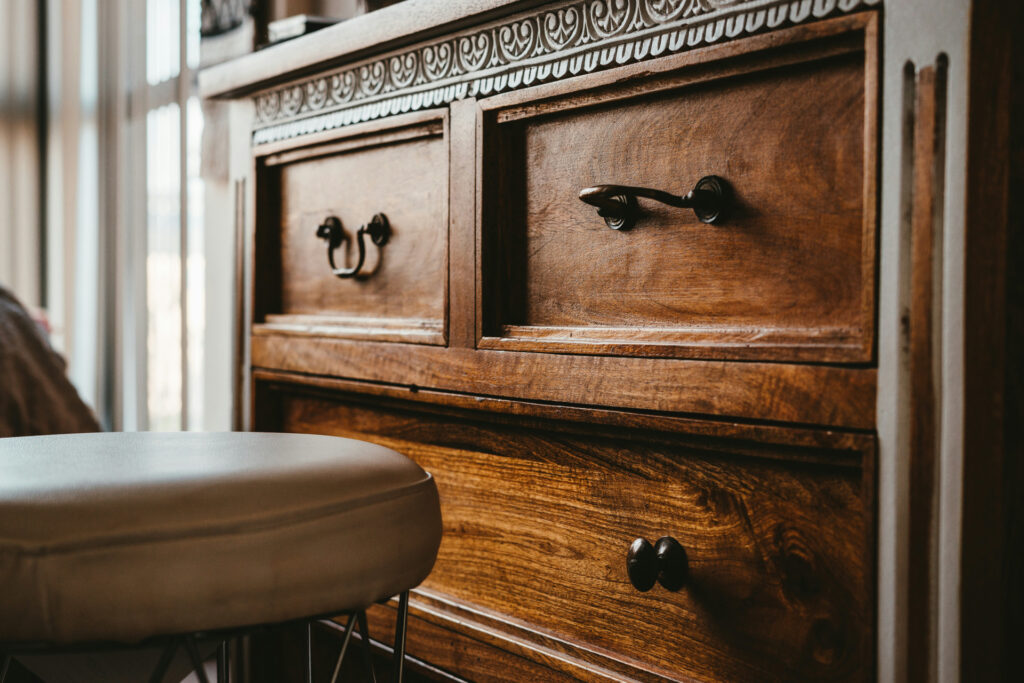
Here’s something most furniture thrifting shoppers never do — flip the piece around. The back and underside tell you almost everything about the quality of the thrifted furniture. When I check, I’m looking for clues like:
Cheap modern items often use particle board and stapled panels, but older secondhand furniture frequently has craftsmanship details you rarely see today. The back of the piece is where the truth lives. It will tell you whether you have a genuine find, or a modern piece of fast furniture with a one-to-five-year lifetime at best.
This trick works surprisingly well. When I’m unsure about a piece, I just lift one side slightly. Heavy furniture usually indicates:
Lightweight furniture often means particle board or hollow construction.
Of course, there are exceptions, but weight is often a fast clue as to the quality of the item.
One of the fastest ways to separate good pieces from lower-quality items is by looking closely at the wood grain. Real wood typically has irregular grain patterns, natural variation in color and slight imperfections. Fake wood veneer often has repeating patterns that look almost printed.
Learning to recognize real wood quickly helps you identify valuable thrifted furniture among rows of lower-quality pieces.
Here’s a mindset shift that has pointed me toward some incredible finds — look for leftovers.
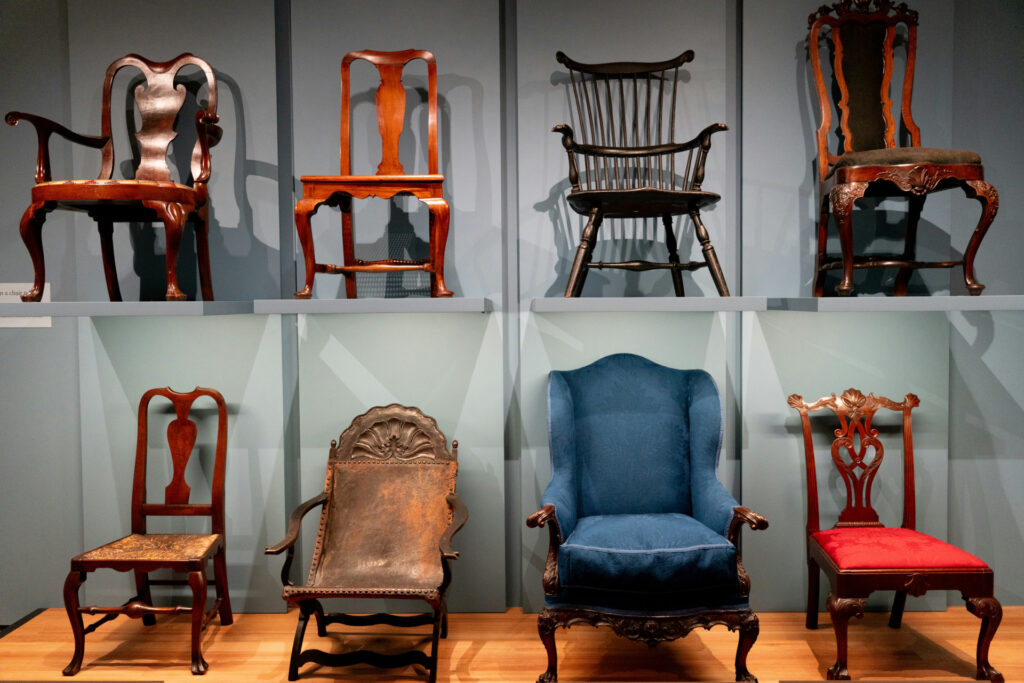
Matching furniture often gets separated when donated. One piece survives while the rest disappear. This means you might find:
Most furniture thrifting shoppers skip these because they’re expecting a set.
But if you’re furnishing a home with character or discovering how to thrift furniture for the bedroom, single pieces can be perfect. Designers recommend that you stop matching your furniture anyway, if you’re aiming for a truly vintage vibe. So, single survivors are perfect.
Before buying secondhand furniture with drawers, I always perform a quick drawer test:
Pull the drawer all the way out
Check if it glides smoothly
Look for dovetail joints at the corners
Inspect the inside for warping
Smooth drawers are a sign the item was well-built and has stayed stable over time. If drawers stick or feel crooked, the frame may be warped.
Some of the best thrifted furniture deals happen when stores don’t recognize what they have. Before buying, I look for hidden labels in places like inside drawers, on the back panel, underneath tabletops or beneath seat cushions.
Occasionally, you’ll discover pieces from quality manufacturers that are priced like generic furniture.
Consistency beats luck when thrifting.
Many people only visit occasionally and then wonder why they always miss out. But inventory changes constantly.
When I started visiting my favorite stores once a week, I noticed patterns:
The more often you go, the better you get at spotting the hidden gems others miss.
Plus — make friends. Chat with the staff and let them know what you’re looking for. Once you have built a relationship, they may set aside pieces they think will interest you or tip you off in advance about an upcoming hefty estate donation.
It never hurts to be genuine and friendly.
When I’m unsure about an item, I’ll run through this quick mental checklist:
This simple process helps me avoid impulse buys while still grabbing great deals.
The best day to thrift furniture depends on the store, but weekday mornings are usually ideal. Many stores process weekend donations on Monday or Tuesday, so midweek shoppers often see freshly stocked inventory.
Yes, secondhand furniture is generally safe if you inspect it carefully. Look for signs of pests, structural damage or strong odors. Hard surfaces like wood, metal and glass are typically the safest types of furniture to purchase.
Prices vary by store and region, but many quality secondhand pieces sell for 70%-90% less than retail. A solid-wood dresser that originally cost $800 might appear at a thrift store for as little as $60-$150.
In most cases, yes. That’s especially true of solid wood furniture, which can be very expensive when purchased retail.
One of the reasons I love thrifting furniture is that every trip feels like a little adventure. You never know when you’ll stumble across hidden treasure. Once you start recognizing quality materials, spotting overlooked pieces and timing your visits well, thrifting stops feeling random — it becomes a skill. And the best part? Every thrifted item blesses your home with story and character, while protecting the planet and saving you money. Here’s to the next find!