
We are reader-supported. When you buy through links on our site, we may earn an affiliate commission.
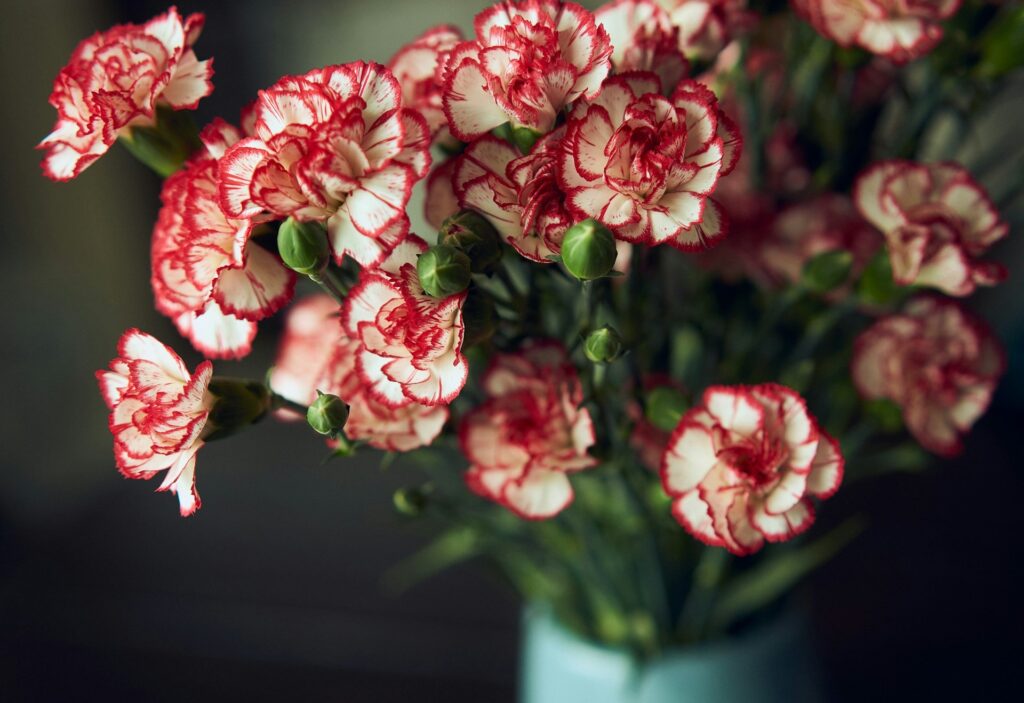
There’s nothing quite like displays of beautiful blooms indoors to brighten up your day, no matter your mood or the weather. They make your home look welcoming and smell great, whether you picked them yourself or bought a bouquet at the grocery store. Learning how to arrange flowers is a rewarding and creative skill that’s easier than it looks. Here’s how to master the process step by step so you can confidently craft a stunning arrangement.
Using the right vessel is vital when it comes to learning how to arrange flowers in a vase. You’ll want to choose one that complements your blooms and works with the overall arrangement.
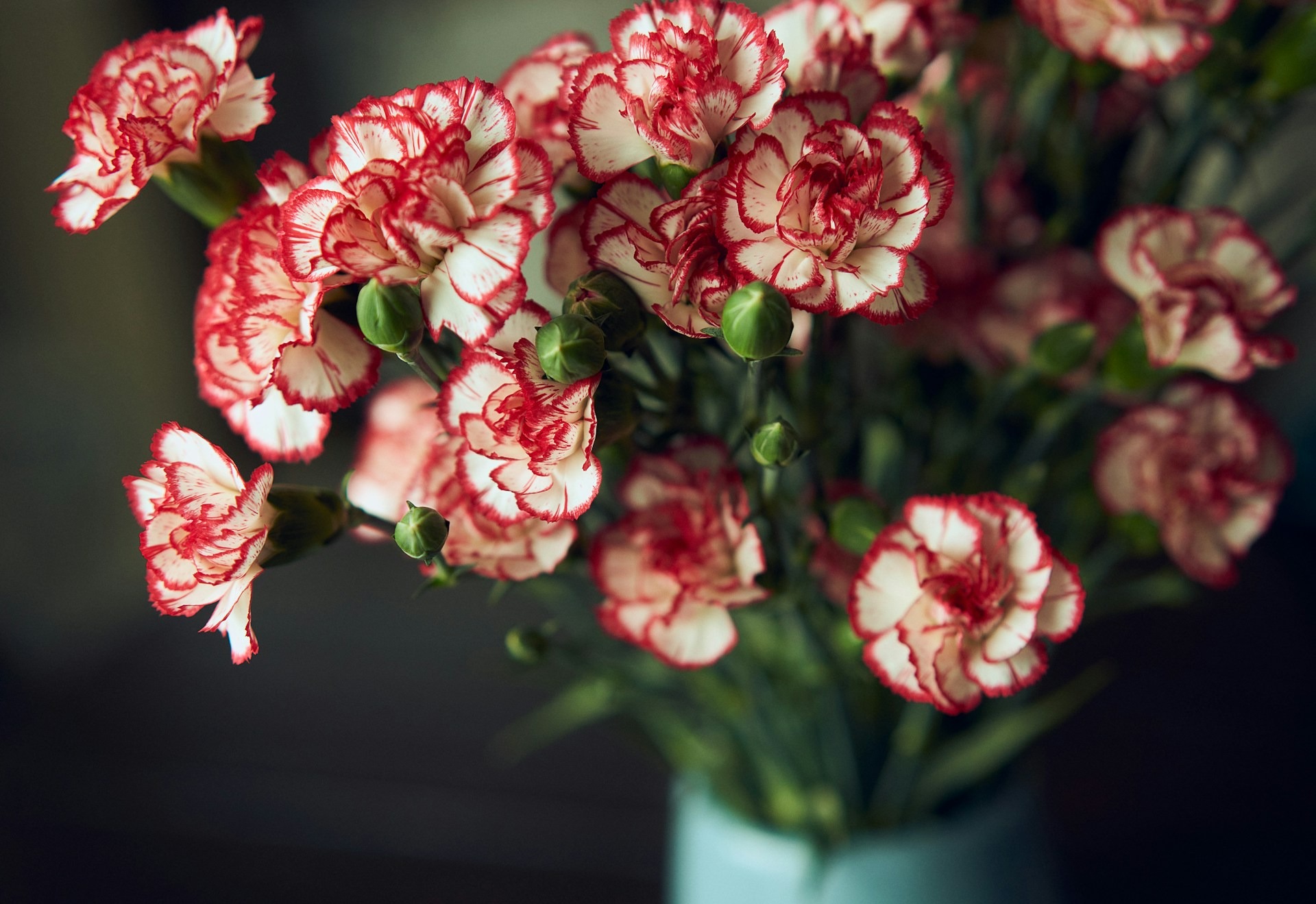
Choosing the flowers you want to display takes more thought than just grab and go. You’ll want to start with sturdy, popular picks, such as roses, carnations, lilies and daisies. Varieties that last a long time are best so you can enjoy your creations for an extended period. Hardy carnations can last up to three weeks in a vase, and anthurium can thrive for well over a month. Large and showy dahlias and the tropical bird of paradise can remain for about two weeks.
Once you obtain your flowers, they’ll need to be prepared for display properly. This ensures they last for the longest amount of time. Begin by recutting the stems at a 45-degree angle, which creates more surface area for the plant to easily absorb water. Remove leaves that would be immersed in water, as they will decay and shorten the lifespan of the bouquet. Also, be sure to use a commercial cut flower preservative to help your blooms last as long as possible.
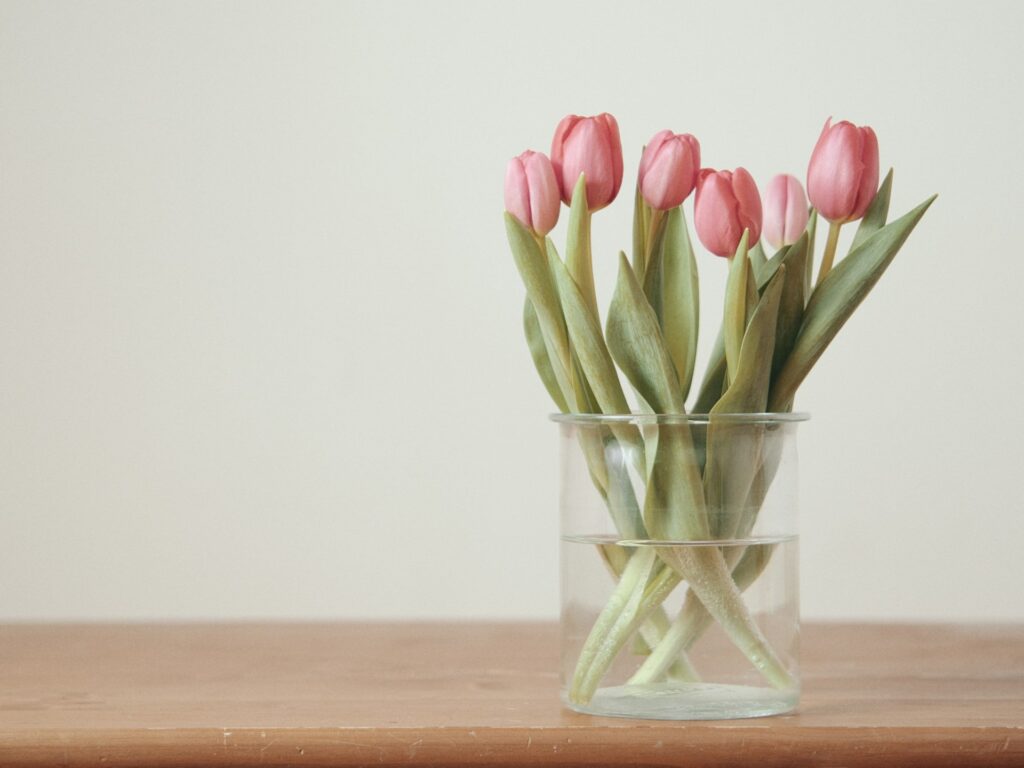
Now that you have your vase and your flowers of choice, it’s time to create your beautiful floral display. Set everything up on a large table, workbench or countertop so you have lots of space to work.
Begin by creating a grid with clear, waterproof floral tape in a crisscross pattern over the top of a clean, dry vase. Dryness ensures the best adhesion. Secure the tape tightly around the rim, and then add another ring of tape around the edge to keep everything in place. This will provide structure and make arranging easier.
Start with a base of greenery to create a lush backdrop for your arrangement, if desired. Versatile and long-lasting options are best. Consider leatherleaf ferns, dusty miller, eucalyptus, ivy and myrtle. These plants provide visual interest and structure. Use the stems to create an upside-down triangular shape, so your display will have both a horizontal and a vertical appearance.
Knowing how to arrange flowers in a vase requires understanding your focal florals. These are the biggest or showiest blooms you will be displaying — the ones that will be in the spotlight. Try to aim for an uneven number to avoid looking too symmetrical. Also, make sure they don’t stick straight out, or they will droop and lose their “wow” factor.
Next, add smaller, filler blossoms and textural elements to create a full and balanced look around the focal flowers. Just like the stars of the show, the supporting cast should not be placed straight up or flop to the sides. Be sure everything is filled in for the arrangement to look complete. Combine smaller flowers in groups of three or five to create clustering and look more natural.
If you wish, you can add delicate plants like baby’s breath, yarrow or sedum last so they don’t get crushed or hidden by the larger flowers. Then, carefully rotate the vase to check for balance and make final adjustments. Once everything looks good, give it a spritz of water to mimic the look of fresh dew.
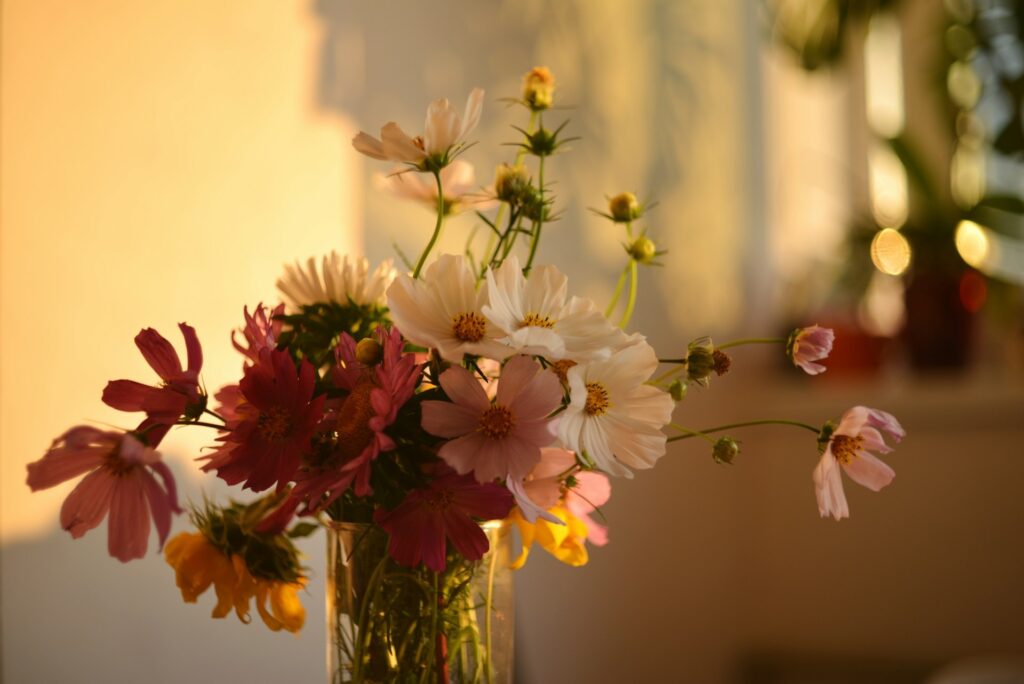
Once you have the basics down and feel confident in your flower-arranging abilities, you can tailor your creations based on various design aesthetics. Consider these different design looks:
Here are answers to some common questions about flower arranging.
Help your hard work last by changing the water every two to three days and cleaning the vase with a drop of dish soap. Add floral food before re-adding your flowers. Be sure to keep the arrangement away from direct sunlight and heat to prevent it from drying out.
Carnations, chrysanthemums and roses are sturdy and long-lasting options. Zinnias, cosmos and sunflowers are versatile picks that showcase the seasons, and tulips make for a simple and stunning arrangement.
Mixing in some faux flowers is a great way to create a full-looking arrangement that will last for a long time. Plus, you can reuse them to create a variety of looks based on your mood, decor or the season. Feel free to experiment.
Learning how to arrange flowers in a vase opens up a world of possibilities in your home. Create a rambling wildflower display, a sophisticated centerpiece or a sculptural work of natural art. Get ready to strengthen your green thumb and turn that grocery store bargain bouquet into a showstopping floral focal point.