
We are reader-supported. When you buy through links on our site, we may earn an affiliate commission.
Imagine walking into a room where Victorian elegance meets industrial grit — exposed copper pipes become art and vintage leather furnishings tell stories of adventure. Steampunk interior design transforms ordinary spaces into immersive environments that celebrate creativity, craftsmanship and invention. Whether you’re drawn to rich textures, warm metallic tones or reimagining everyday objects, this style offers endless possibilities for personal expression.
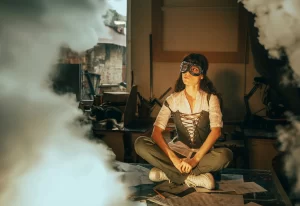
Steampunk interior design is a retro-futuristic aesthetic blending Victorian elegance with industrial machinery to create imaginative, character-rich spaces. This style emerged from a science fiction subgenre envisioning an alternate history where steam power remained dominant rather than giving way to electricity. The result combines ornate historical elements with anachronistic gadgets, exposed gears and mechanical details.
Understanding the origins of the steampunk genre helps you appreciate why this style celebrates both craftsmanship and innovation. At its core, steampunk transforms your living space into a narrative environment where every brass fitting tells a story about invention and adventure.
The foundation of great steampunk interior design lies in celebrating your space’s bones rather than concealing them. Key architectural elements to feature include:
Exposed brick walls serve as the quintessential steampunk backdrop. If your space has brick hidden behind drywall, consider revealing it. For spaces without brick, high-quality brick-effect wallpaper offers an alternative.
Victorian homes often featured elaborate wall treatments. Embrace this history by layering three different wallpapers in a single room using dado rails to divide sections. Choose patterns with damask, botanical prints or geometric designs in your steampunk color palette. For wall decor, vintage maps tie in well with the theme, emphasizing exploration.

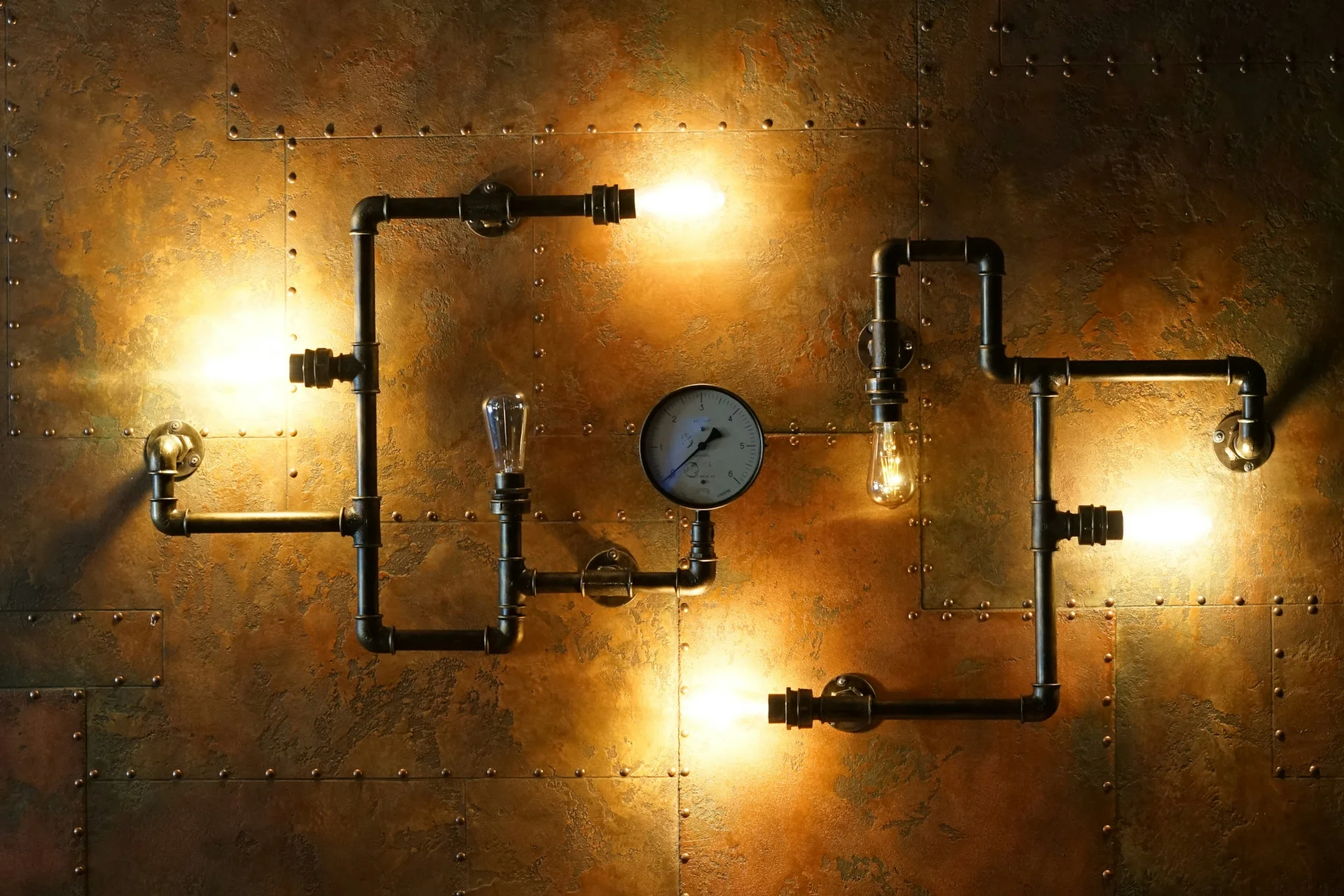
Treat other surfaces with the same reveal-and-celebrate approach. Polish copper pipes until they gleam and make them centerpiece features rather than eyesores. Install reclaimed wood flooring to add warmth and authenticity. Tin ceiling tiles with embossed patterns bring Victorian charm overhead. Each element should feel purposefully displayed.
A true steampunk palette is built on warm, muted and metallic tones evoking both Victorian parlors and industrial workshops. The foundation includes rich browns, sepia tones and metallics, including copper, bronze and brass. Research analyzing steampunk imagery reveals that dark orange and brown are the most prevalent colors in the aesthetic.
Accent colors tend to be dark, desaturated jewel tones such as navy, forest green or burgundy. These deeper shades prevent the space from feeling overly warm while maintaining the moody, atmospheric quality essential to the style. Avoid bright, saturated colors that break the vintage illusion.
Texture prevents steampunk spaces from feeling flat. The style relies on combining masculine industrial materials with softer Victorian touches to create balanced, livable rooms. Each layer should feel intentional and contribute to your space’s overall narrative.

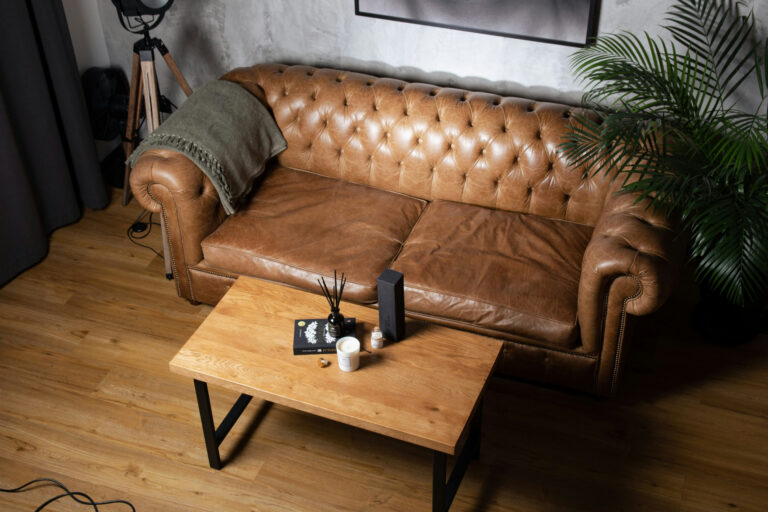
Start with substantial furniture pieces in dark, solid woods like mahogany or walnut. These woods provide the gravitas and warmth characteristic of Victorian interiors. Add aged leather sofas, armchairs or desk chairs. Incorporate metal fixtures, hardware and decorative details. Brass doorknobs, copper light fixtures and iron brackets can reinforce the industrial steampunk interior design aesthetic.
Balance heavy materials with luxurious fabrics. Velvet curtains in deep jewel tones add softness while maintaining the rich color palette. Lace doilies or table runners introduce Victorian romanticism without overwhelming the space. Dried flowers, botanical prints and vintage scientific illustrations bring organic elements that lighten the industrial weight.
Lighting sets the mood in steampunk spaces by combining vintage aesthetics with warm, ambient illumination. Edison-style filament bulbs are hallmarks of the style, offering visible glowing elements that feel both nostalgic and scientific. Modern LED versions provide the same aesthetic while lasting five times longer than traditional incandescent options.

Layer multiple light sources at different heights to create depth. You should choose fixtures that complement the aesthetic:
Outdoor steampunk spaces function less like traditional gardens and more like Victorian courtyards or open-air laboratories. Think atmospheric and slightly wild rather than manicured and colorful. Use wrought iron for benches and arbors, copper for planters, and repurposed gears or old tools as sculptural elements.
Plant choices should feel abundant and mysterious, such as climbing vines, ferns and plants with interesting seed pods or dried flower heads creating texture. Add vintage glass cloches, antique watering cans and weathered metal signs to reinforce the theme. Architectural metal wind sculptures are perfect for this vibe. You could add a vintage telescope for extra atmosphere.

The maker ethos sits at the heart of steampunk culture, emphasizing creativity, hands-on modification and an anti-consumerist attitude. It centers on repurposing and invention rather than purchasing mass-produced items. This approach makes the style more affordable and deeply personal.
Each handmade piece tells a story. Try these upcycling projects to create unique pieces:
Storage solutions should be both functional and thematic. Consider incorporating these pieces that hide everyday items while reinforcing the aesthetic:

The best steampunk pieces are often discovered. Flea markets, antique stores and thrift shops serve as primary hunting grounds for authentic vintage items. Architectural salvage yards offer genuine hardware, fixtures and building materials with patina and character that new reproductions lack.
When thrifting, try stores in different neighborhoods to uncover varied inventory and prices. Look for solid wood furniture with good bones you can refinish, old trunks, vintage laboratory equipment and anything with interesting mechanical elements, such as cogs and gears. Online marketplaces and estate sales can also yield unique finds.
Learn more about incorporating the steampunk style into your home.
Steampunk-style interior design can fit nearly any budget when you embrace DIY projects and secondhand shopping. The most authentic pieces often come from thrift stores and flea markets at a fraction of retail costs. Focus spending on a few key statement pieces, such as quality leather furniture or unique lighting, then build around those with repurposed and handmade items.
Focus on a few high-impact statement pieces rather than cluttering your small space. Lighting makes dramatic differences without consuming floor space. Framed maps, mounted gears, small shelving units and other wall decor can add vertical visual interest. Rich textiles, such as velvet curtains or a leather ottoman, introduce texture and color while serving practical purposes.

Industrial steampunk interior design is a minimalist style focused purely on raw function and materials, such as concrete, steel and exposed structure. Steampunk is a maximalist, imaginative style that layers Victorian fantasy and narrative elements onto industrial foundations. While both celebrate exposed mechanics, steampunk adds ornate details, warm metallics, vintage accessories and storytelling components that industrial design intentionally omits.
Steampunk interior design invites you to create spaces that celebrate creativity, craftsmanship and personal storytelling. Whether you start by revealing hidden brick walls, hunting for the perfect vintage trunk or crafting your own pipe shelving, each decision adds character to your home. Embrace the maker spirit to let your space become an adventure in retro-futuristic living.