

What is a Foreman?

Photo of Rose Morrison

Written by: Rose Morrison

construction-foremen-min
We are reader-supported. When you buy through links on our site, we may earn an affiliate commission.

If you’re unfamiliar with the construction industry, you may not know what a foreman is on the site. A foreman is someone you’ll need to know about if you work at a construction site. Here’s what foremen are and what they do. 

Who is a Foreman?

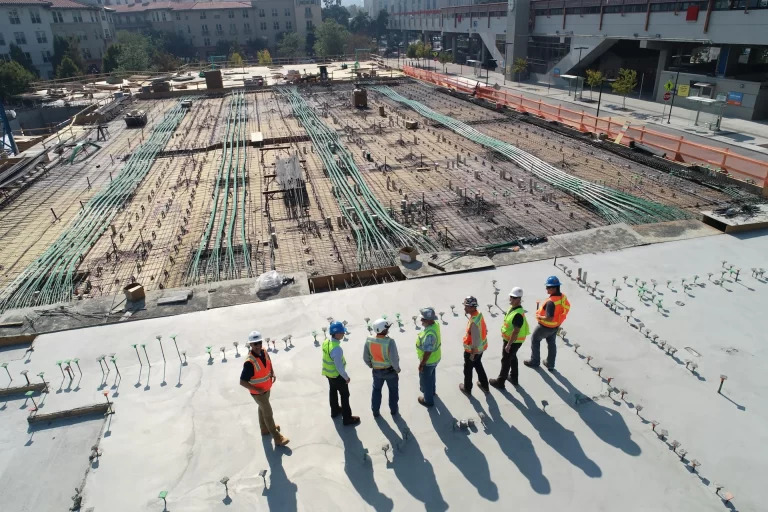
Foremen are the managers of construction sites. They’re responsible for leading the crew from start to finish through the appropriate project and making sure the workers are safe and taken care of. 

The foreman is also responsible for ensuring that the correct work is done and with the right quality. Foremen are found in various trades and serve as workers’ on-site points of contact. 

If you’re working on a construction site, you will likely encounter a foreman since they’re responsible for the work, so you’ll need to come to them with any comments or concerns.

How Much Money Does A Foreman Make?

The average foreman makes around $57,000 annually, income varying by company and project. Some earn up to $83,000, while others make as low as $38,000.

There are different foremen for different construction projects, including roofing, bricklaying and tree line clearance. 

Your experience, the trade and whether you’re with a union will all impact the amount of money you make as a foreman. 

How to Become A Foreman

While becoming a foreman does require specialized training, what you need depends on the company you want to work with. 

Once you’ve familiarized yourself with a trade that uses formen, contact a company or union and express your interest in becoming one. They can tell you about the process they want you to take. Job boards also carry formen listings. 

If you have trade knowledge and work through any training and exams, you have a good chance of meeting your career goals. 

Once you’re a forman, you’ll be on a progression path to higher management and supervisory positions. 

Trades that Utilize Foremen

Though you may think of building projects utilizing a foreman, a variety of trades use these projects. 

  • Carpentry – Carpentry foremen manage the woodwork on a project, such as framing a home or building its cabinets. 
  • Electrical – Electrical foremen oversee electrical wiring and the installation of electrical fixtures, as well as power line work. 
  • Painting – A painting foreman ensures that the paint is the correct color and amount and that the crew can complete the job on time. 
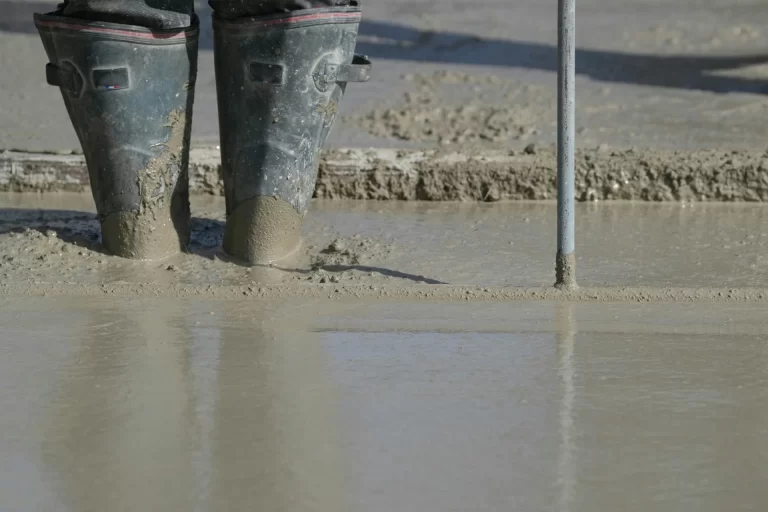
  • Concrete – Concrete foremen oversee the mixing of concrete and the concrete is the correct type and amount. 
  • Plumbing – A plumbing foreman oversees the work of plumbers installing water pipes in construction projects. 
  • Line Clearance –  A line clearance foreman supervises the removal of trees, logs and other natural materials from power lines. 
  • Construction – Construction foremen oversee all aspects of a site, from worker training to reading blueprints and managing time. 

Appreciating Foremen

If you’re going to be at any job site, knowing and respecting your foreman is essential. These men and women are responsible for making the job the best possible for the workers and the client they’re working for. 

Being a forman is a lot of responsibility, but it can also be rewarding to contribute to a trade you’re passionate about.


house-rows

About The Author

Rose Morrison

Rose Morrison

Rose is the managing editor of Renovated and a dedicated freelance writer with over six years of experience in the home and garden industry. Her passion for landscaping and sustainable practices is deeply rooted in her upbringing — growing up in a family of contractors, she was exposed to the world of construction and design from a young age. This hands-on experience fostered her love for nature and gardening, giving her a green thumb and a keen eye for creating beautiful outdoor spaces.

Throughout her career, Rose has honed her expertise in researching and writing about sustainable construction practices, focusing on innovative technologies that enhance the built environment while minimizing environmental impact. She is particularly interested in green roofing, water-efficient landscaping, and integrating native plants in design, all reflecting her commitment to sustainability. Rose’s work has appeared in various publications, where she shares valuable insights and practical tips for seasoned professionals and novice DIY-ers.

In addition to her writing, Rose enjoys collaborating with landscape architects and contractors on projects that emphasize eco-friendly design and sustainable materials. She believes that every garden has the potential to be a vibrant ecosystem and works to inspire others to create spaces that are not only beautiful but also environmentally responsible.

View Bio

More Like This