We are reader-supported. When you buy through links on our site, we may earn an affiliate commission.
When building a house, you want a wall that pulls its weight. Insulated concrete form, or ICF, construction does that by pairing concrete strength with built-in insulation so your home feels quieter, steadier and easier to heat or cool. Here’s how you can tell what’s actually happening inside the walls.
What Is ICF Construction?
You can think of an insulated concrete form building as giant foam Lego blocks that stay in place inside your walls. The building crew stacks foam forms, adds a steel rebar inside and then pours concrete into the hollow core. Once that cures, you’ll be left with a solid concrete wall wrapped in continuous insulation on both sides. Plastic webs tie the forms together and give you fastening strips for drywall or exterior finishes.
If you’re building a house, ask to see the form brand and series, the core thickness and the spacing of fastening tips. Those details all help to shape strength and finish options.
When building with ICF, you will often hear the term “ESPs.” ESPs are expanded polystyrene foam. This is the standard form material in many systems. You might also hear “core” referring to the concrete thickness. “Buck” is another popular term, which is the framing around the windows and doors that holds the opening square.
You will also find the temporary support system that keeps walls straight on pour day is called “bracing.” If you can remember only one of these terms, let it be this one because straight walls come from good bracing and careful checks.
How an ICF Home Gets Built
ICF construction looks calm right up until pour day, then it turns into a delicate dance. If you know the steps, you can spot quality fast and avoid classic headaches.
- Stacking Forms and Placing Rebar
The building crew lays the first course on a level footing or slab. The first row is essential as if it’s wrong, it will cause errors as you continue building. Next, the crew will stack forms like blocks and weave in rebar per the structural plan. Rebar placement is engineered, so ask who is verifying it. Between the builder, inspector and engineer, someone should verify it.
A great tip is to ask for photos before the pour. You’ll want a clear record of rebar layout and opening bucks. It helps with inspections and if questions pop up later.
- Bracing Alignment and Pour Day
Bracing goes on as walls rise. The bracing holds the line and sets the plumb. Crews also add extra scaffolding to work safely at higher heights. On pour day, the crew pumps concrete in lifts. They do not blast the wall full in one go, they place it in layers and move around the structure. That reduces the risk of bulges and blowouts.
Vibration may be used to help concrete consolidate in the forms, depending on the mix and the crew’s method. Ask what concrete mix the crew is using and how they plan to place it. A confident crew can explain it in plain language and help you understand what you’re working with.
- Finishes, Wiring and Plumbing in ICF Walls
Once the concrete cures, the foam stays. Electrical and plumbing runs usually happen by cutting channels in the interior foam. Then boxes get set and lines get pulled. After inspection, the channels get patched. Drywall screws into the fastening strips embedded in the forms.
If you are planning to mount heavy items like cabinets or TVs, ask where the backing will go. You can add blocking or plan fastening points early.

Why Choose ICF?
Most people choose ICF because they want a home that feels steady, less drafty and less noisy. Continuous insulation reduces thermal bridging. The concrete core adds thermal mass, which helps smooth temperature swings. ICF houses used up to 41% less electricity and at least 5% less natural gas than comparable wood-framed houses in that dataset.
If you build with ICF construction teams, ask your HVAC contractor about equipment sizing. Many homes can use smaller systems if you have a smaller budget. A smaller system may be cheaper, quieter and more comfortable.
Two layers of foam and a concrete core can also reduce outside noise. That can be beneficial if you live near traffic or work from home and need calmer rooms. Pair ICF with solid-core interior doors and good window seals for an added layer of sound protection.

How Much Does ICF Cost?
ICF can cost more up front, yet the cost also includes where you spend, where you spend and what you avoid when building with ICF. Costs can rise due to specialized labor, bracing systems, concrete placement, engineering details and some builders also price in learning curve risk if they don’t work with ICF often.
A common rule of thumb from an ICF manufacturer puts the premium at 3-5% compared to a typical wood frame. Get bids from teams with ICF experience. It might be more expensive, but you’re paying for competence.
Although ICF might cost more upfront, the payback shows up in three lanes, namely, lower energy use, smaller HVAC systems, fewer comfort complaints and fewer envelope fixes.
If you want a simple planning framework, use a monthly view. Add the mortgage impact of the up front premium. Subtract likely utility savings and add “soft” savings like durability and comfort. Energy and insurance can shift the monthly picture in ICF, though results vary by home and location.
Use a renovation planning checklist before you sign anything. Also, ask your builder how they will protect the schedule on pour day. Weather and crew coordination can make or break timelines.
Codes and Industry Momentum
ICF has been gaining popularity lately and a lot of that popularity can be attributed to tighter energy expectations and a growing focus on resilience after rough weather seasons. Builders follow demand, codes follow performance and demand follows codes.
Energy codes keep nudging the market toward tighter building envelopes and clearer pathways for high-performance walls. The 2024 International Energy Conservation Code continues that direction with updates that affect how builders think about insulation, continuity, air sealing and compliance options.
When you ask the building crew how they will hit energy targets, the conversation is less about stuffing more fiberglass into cavities and more about whole-wall performance. That’s where ICF tends to shine, as you’re getting continuous insulation and fewer thermal weak spots.
The ICF market is projected to keep growing over the next several years. Mordor Intelligence estimates the ICF market to be around $1.78 billion in 2026, with growth projected through the early 2030s.
Built to Last
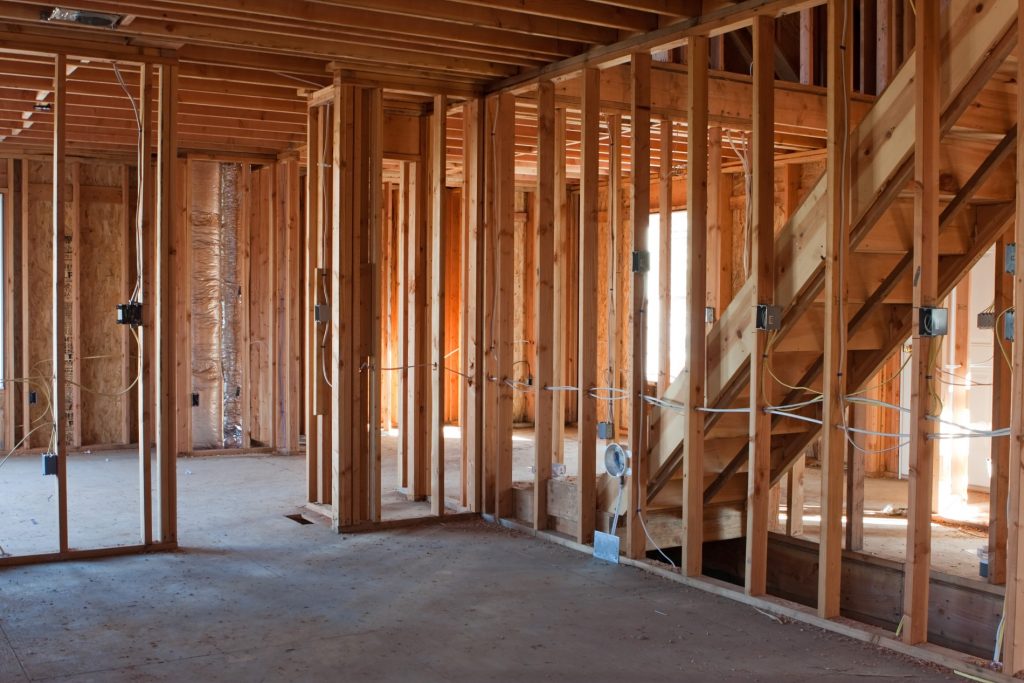
ICF construction is basically a reinforced concrete wall that comes pre-wrapped in insulation. While there are many ICF pros and cons, one thing you can be assured of is that you’re getting your money’s worth. You get comfort benefits, lower energy use and a wall system that feels sturdier day-to-day. Your next step is simple, get one quote from an experienced ICF crew and compare it with your best framed wall option.
About The Author
Evelyn is the founder and editor-in-chief of Renovated with over 5 years of experience writing about interior design, construction, and renovation. She is a passionate advocate for improving mental health and safety in the construction industry. When she's not writing, you can find her reading at coffee shops around PA.
Her insights have resonated far beyond Renovated, gracing publications like the National Association of Realtors, Construction Executive, DecorMatters, and Renewable Energy Magazine.
For more insight on design, construction, and everything in between, you can check out Evelyn's portfolio, https://evelynlong.com/.