We are reader-supported. When you buy through links on our site, we may earn an affiliate commission.
Gardening with children can be a delightful and educational experience, fostering a love for nature, responsibility and patience. It’s an excellent way to spend quality time outdoors, encouraging little ones to be active and understand the importance of caring for the environment.
How to Make Gardening With Children Work
The most important thing is to keep it fun — this isn’t a chore for your kids, it’s a hobby and hopefully a gateway to lifelong healthy habits. Here are some top tips for helping your kids stay engaged and become keen young gardeners.
1. Let Your Children Choose a Garden Type
Build the excitement by letting your kids take the lead. Let them choose whether they want to grow flowers or veggies or both. Asking them to pick a theme is often a brilliant way to spark enthusiasm. One of the benefits of gardening with children is that it lets their creativity shine.
Maybe they’d like a fairy garden with delicate flowers and miniature mosses. Perhaps there’s a color scheme they’d like to focus on. If they love pizza, they could grow the ingredients for pizza toppings. If they’re into critters, a wildlife garden could be just the thing. Let them get creative with ideas.
2. Select Easy Plants
Opt for fast-growing plants. Kids can be impatient, so selecting plants that grow quickly can keep their interest alive. Edible plants can also be an excellent choice. Growing fruits and vegetables can be especially exciting for little ones, as they can enjoy the reward afterward. Additionally, you can’t go wrong with hardy plants that can withstand a bit of rough handling. Some ideas include:
- Radishes
- Sunflowers
- Marigolds
- Tomatoes
- Strawberries
- Mint
- Basil
- Pumpkins
- Beans
That said, if your child really wants to grow roses or dahlias, let them. Mix in some easy plants, but if they’re up for a challenge, there’s no harm in trying something harder too. Gardening activities with kids don’t always have to be easy wins.
3. Teach Them Basic Garden Skills
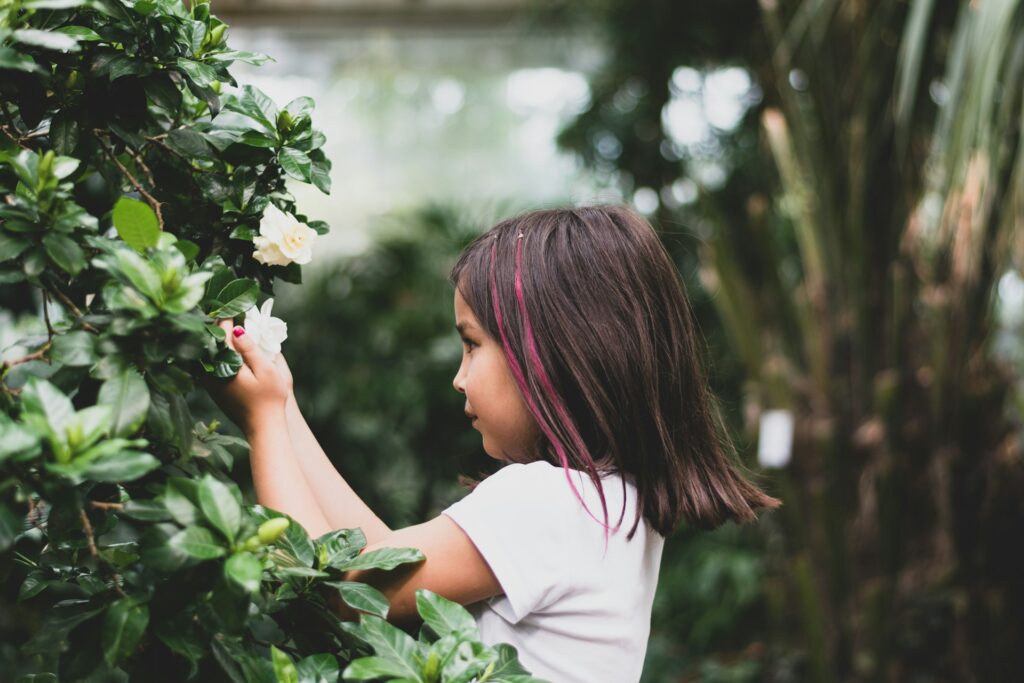
Start with simple tasks like planting seeds, watering plants and recognizing different types of plants and seeds. These basic activities build their confidence and provide a hands-on learning experience about plant biology and the environment. These educational opportunities are one of the best benefits of gardening with children. Explain how each step, from planting to watering and weeding, contributes to the growth and health of the plants. This understanding helps children see the direct impact of their efforts and feel a sense of pride and accomplishment.
Kids get bored easily, so you need to find ways to keep them excited and engaged. Using child-sized gardening tools can make the experience more manageable for young gardeners. These tools are perfect for small hands and can help children feel more comfortable and capable in the yard.
Additionally, teaching them to identify and understand the different stages of plant growth — right from seedling to mature plant — can be a fascinating lesson. Curiosity is one of the main benefits of gardening with kids. Encourage this curiosity by answering questions and providing simple explanations about topics like photosynthesis, pollination, and the importance of sunlight and water.
4. Ensure the Space Is Child-Friendly
Set specific areas in the garden where children can dig, plant and play around. This gives them a sense of ownership and responsibility and ensures they can have fun without worrying about damaging delicate plants. Consider using raised beds or containers, which are easier for kids to manage and allow them to reach plants without stepping on them.
Ensure paths are clear and free of hazards, and consider adding a small seating area where children can rest and observe their garden’s progress. By making the backyard a safe, interactive space, you can create a positive environment for children.
5. Give Them Space to Explore
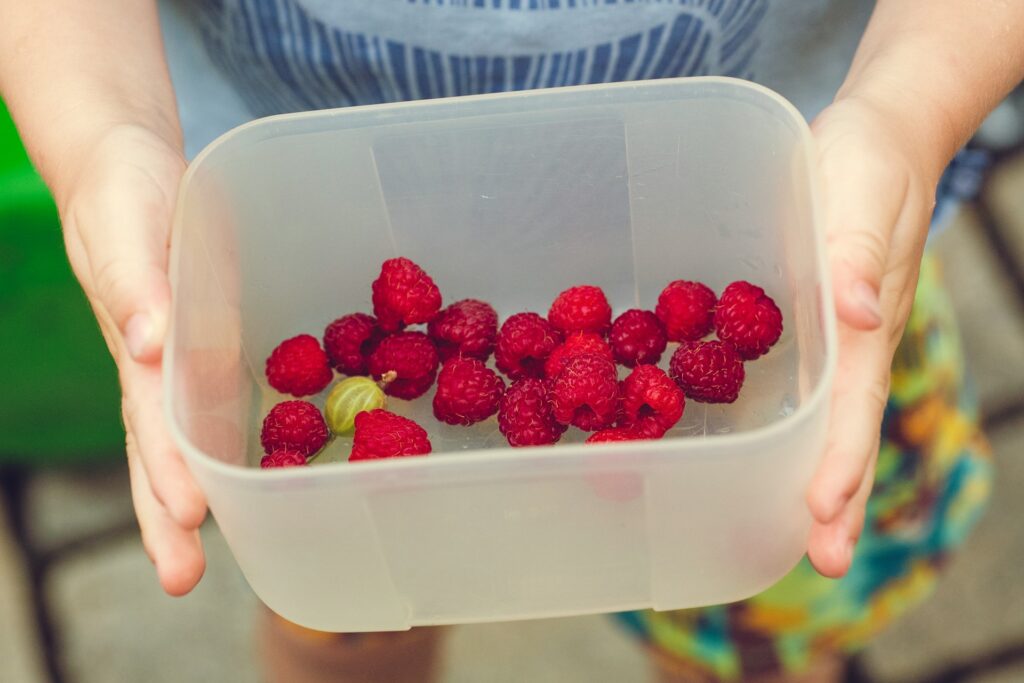
Children are naturally curious. Give them space to explore and discover to nurture this curiosity and foster a deeper connection with nature. Allowing them the freedom to dig, plant and water on their own encourages learning and helps them understand the various processes involved in gardening.
By providing an area where they can freely experiment, children can learn from their successes and mistakes, gaining valuable insights into the different ways plants grow and thrive. This sense of autonomy empowers them to take initiative and develop problem-solving skills as they figure out how to care for their plants. Sometimes, the best gardening activities with kids are the self-directed experiments they create themselves.
6. Help Out Behind the Scenes
While it’s important for kids to take the lead in their activities, adults can support them by preparing the garden space, ensuring the soil is fertile, moving sprinklers and managing any heavy lifting or complex tasks that might be too challenging or difficult for them to understand.
This behind-the-scenes assistance allows children to focus on the fun aspects of gardening without becoming overwhelmed by the more demanding work. Additionally, by discreetly addressing issues like pest control or watering when necessary, you can ensure the garden remains healthy and thriving, providing a positive and rewarding experience for the young gardeners.
7. Celebrate Their Achievements
Celebrating your little one’s achievements is a powerful way to reinforce their efforts and encourage a continued interest in gardening. Acknowledging milestones such as sprouting seeds, the appearance of the first flowers or the harvest of fruit and vegetables helps children see the results of their hard work. You could even have a small garden party to share their successes with friends and family.
8. Make Gardening With Children a Regular Activity
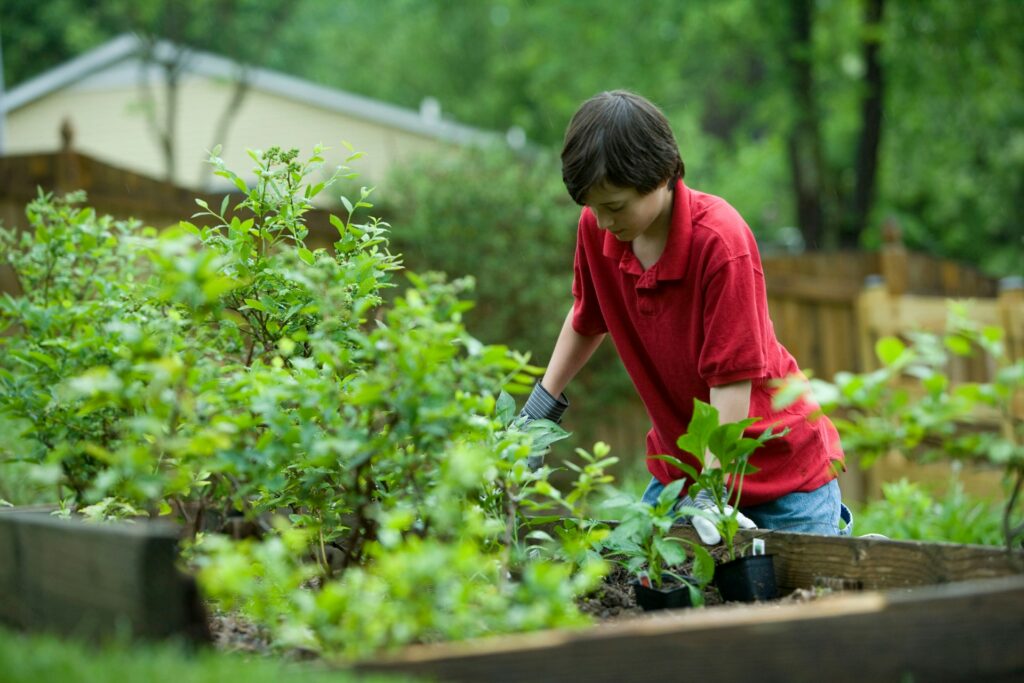
Schedule garden time into your daily or weekly activities. Research shows that routines help children flourish and this will also boost their empathy by helping them understand that plants are living things, needing ongoing care and attention. However, avoid nagging your kids or turning gardening into a chore. Encourage but don’t force.
9. Remember To Have Fun
Not everything will go perfectly, so expect some issues along the way. Plants may not grow as expected, and that’s okay. Use these moments as learning opportunities.
Pay attention to what aspects of gardening your child enjoys the most. Whether it’s watering, planting, harvesting or even labeling plants, tailor gardening activities with kids to whatever interests them most.
Above all, make sure that gardening is a fun and enjoyable experience. Celebrate successes, laugh at mistakes and enjoy the quality time spent together.
The Benefits of Gardening With Children
There is a wealth of research proving that gardening with children helps them develop more than just green thumbs.
Physical Development
Gardening is an active hobby. It helps very young children develop fine and gross motor skills as they carefully handle delicate plants or carry watering cans. Kids of all ages benefit from the time spent outdoors, absorbing vitamin D from the sunlight. It’s also simply good exercise and engages young minds away from their screens.
Emotional Development
One of the most important benefits of gardening with children is the emotional skills it builds. Children learn to take responsibility for living things and develop a deep appreciation for nature. From rescuing injured insects to nurturing seedlings, they also develop empathy. And by dealing with frustrations or setbacks, they learn emotional regulation.

Cognitive Development
The educational opportunities in gardening are vast, covering everything from plant life cycles and ecosystems to problem-solving and math concepts. Observation also fosters language and literacy development. As kids react to the new experiences gardening brings, they apply their minds in practical, rewarding ways.
There are benefits of gardening with children for you too — as an adult, it’s a wonderful way to spend quality time with your children. Make it multi-generational and involve grandparents, too!
Age-Appropriate Tasks for Gardening With Children
It’s important to understand what jobs your child can easily accomplish. Asking them to do something too hard will frustrate them and turn them off gardening for good. Every child is different and you should always put safety first — but as a general rule, here are some ideas for what they can do at each age:
- Toddlers (age 1-2): Gentle weeding, a little bit of watering
- Preschoolers (age 3-5): Weeding, potting plants, deep watering, planting seeds, digging small holes
- Early elementary (age 6-7): Harvesting, fertilizing, making plant labels, reading seed packets and catalogs, building scarecrows
- Middle elementary (age 8-9): Make a graph paper plan, build fences, make pollinator habitats, pruning with supervision
- Tweens and young teens (age 10-13): Take on their own personal garden projects, pruning, raking leaves, laying mulch, composting
- Older teens (age 13+): Mow the lawn, blow leaves, help build a pond, supervise younger siblings
Never leave young children unattended in the garden. You know your child best — they are ready for a task when you judge they are ready.
Creative Gardening Activities With Kids
Incorporating fun and engaging elements into the garden can make it more appealing to little ones. Colorful plant markers, stepping stones and garden decorations can add a playful touch and encourage creativity. Allow them to help create these decorations, such as painting rocks or building small garden sculptures, which can make the garden feel more special.
Building bat or bird houses or bug hotels are always popular gardening activities with kids. They could also make a sundial or set up a homemade weather station. Regrowing food from scraps is great fun and very educational. Little ones will love a mud kitchen, while all ages can have fun creating leaf and flower prints, pressing flowers or using flower petals to make homemade watercolor paints.
Journaling is also a fantastic creative gardening activity, with kids sure to enjoy keeping a record of their green thumbed achievements. Show your kids how to record the daily weather as well tracking their plant growth and noting down insects or critters they have seen. They can use drawings or photos and pressed plants, too.
Dig In
Gardening with children is more than just growing plants — it teaches them responsibility and cultivates a love for nature and the environment. By making gardening with children an enjoyable experience, you can nurture their learning and independence for years to come.
Originally published on 6/28/2024 — Updated on 9/1/2025
About The Author
Rose is the managing editor of Renovated and a dedicated freelance writer with over six years of experience in the home and garden industry. Her passion for landscaping and sustainable practices is deeply rooted in her upbringing — growing up in a family of contractors, she was exposed to the world of construction and design from a young age. This hands-on experience fostered her love for nature and gardening, giving her a green thumb and a keen eye for creating beautiful outdoor spaces.
Throughout her career, Rose has honed her expertise in researching and writing about sustainable construction practices, focusing on innovative technologies that enhance the built environment while minimizing environmental impact. She is particularly interested in green roofing, water-efficient landscaping, and integrating native plants in design, all reflecting her commitment to sustainability. Rose's work has appeared in various publications, where she shares valuable insights and practical tips for seasoned professionals and novice DIY-ers.
In addition to her writing, Rose enjoys collaborating with landscape architects and contractors on projects that emphasize eco-friendly design and sustainable materials. She believes that every garden has the potential to be a vibrant ecosystem and works to inspire others to create spaces that are not only beautiful but also environmentally responsible.