

We are reader-supported. When you buy through links on our site, we may earn an affiliate commission.
Have you ever wondered if the gardening advice you’ve heard is actually true? Many vegetable garden myths can lead to wasted effort, poor yields and even harm the environment. Fortunately, a deep dive into vegetable gardening makes it easy to debunk these misconceptions. Here are some common gardening myths debunked and why you shouldn’t let them hold you back from growing your own produce.
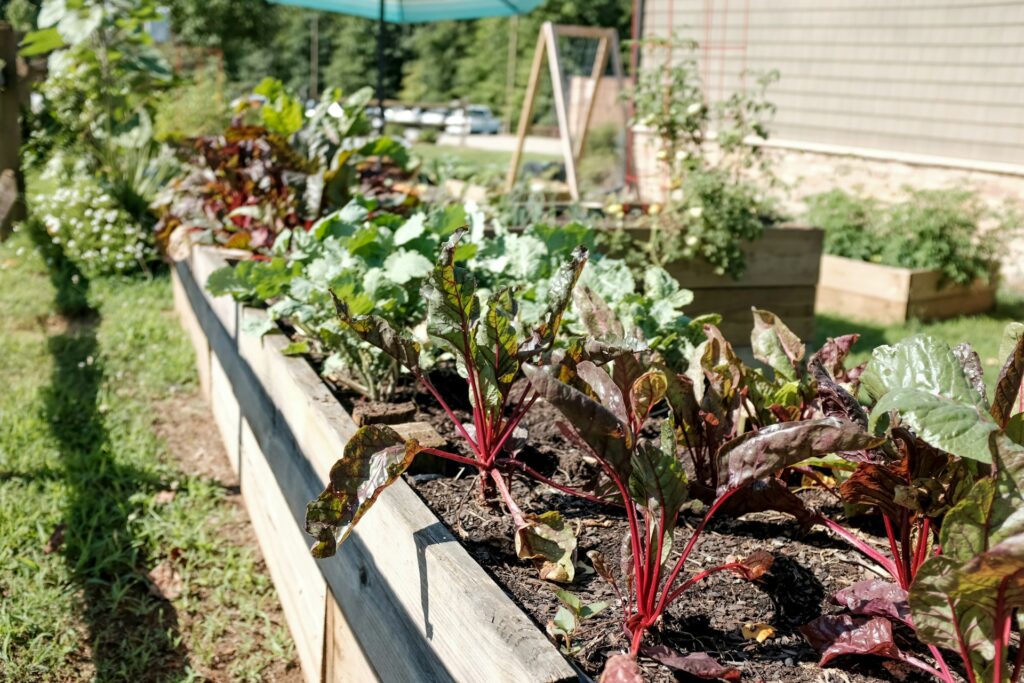
This is one of many common urban gardening myths and misconceptions, as city residents seldom have large, open spaces for vegetable patches. Even small spaces like yards, decks, balconies and rooftops can yield a bountiful harvest. You just need to have the right setup and conditions. If you have limited space, here are some gardening tips and tricks to make the most of it:
To make every inch count, customize your garden plan based on the size and shape of the available space. Also, make sure to grow vegetables that suit the conditions of your small space. For example, if you’re gardening on your shady porch, plant leafy greens like lettuce and spinach, as they thrive in cooler, partially shaded conditions.
Vegetables have different daily sunlight needs. Full-sun crops like tomatoes, peppers and eggplants need six or more hours of sunlight to flourish. Partial shade plants need two to six hours of direct sunlight, while deep shade veggies need two or fewer hours. Here are some examples of shade-tolerant varieties:
Generally, leafy greens love partial shade. Certain varieties, such as arugula, can produce multiple harvests in cooler conditions. Root crops can thrive in partial shade, but they might have slower and smaller yields.
Studies and experts have disproved this garden myth. Some people believe that clearing gardens and tilling the soil every autumn after harvest primes them for planting next year, but Ross Hulstein, owner of Enviroscapes, recommends the opposite.
“In the fall, the most sustainable thing you can do is resist the urge to over-tidy your yard. Leave leaves, seed heads and branches to feed the soil and shelter wildlife,” he advises. “If possible, deep digging and moving the soil should be avoided.”
The science behind this is that annual tilling disrupts soil health and structure. It causes soil erosion, kills beneficial organisms and brings dormant weed seeds to the surface. It also contributes to global warming, which is why there are federal programs that support no-till farming — its opposite.
No-till or low-till gardening is better because it preserves soil health. If the soil isn’t disturbed for a long time, it retains moisture more effectively and develops a healthy, self-supporting system. You can cover your vegetable garden beds with mulch to naturally suppress weeds and enrich the soil.
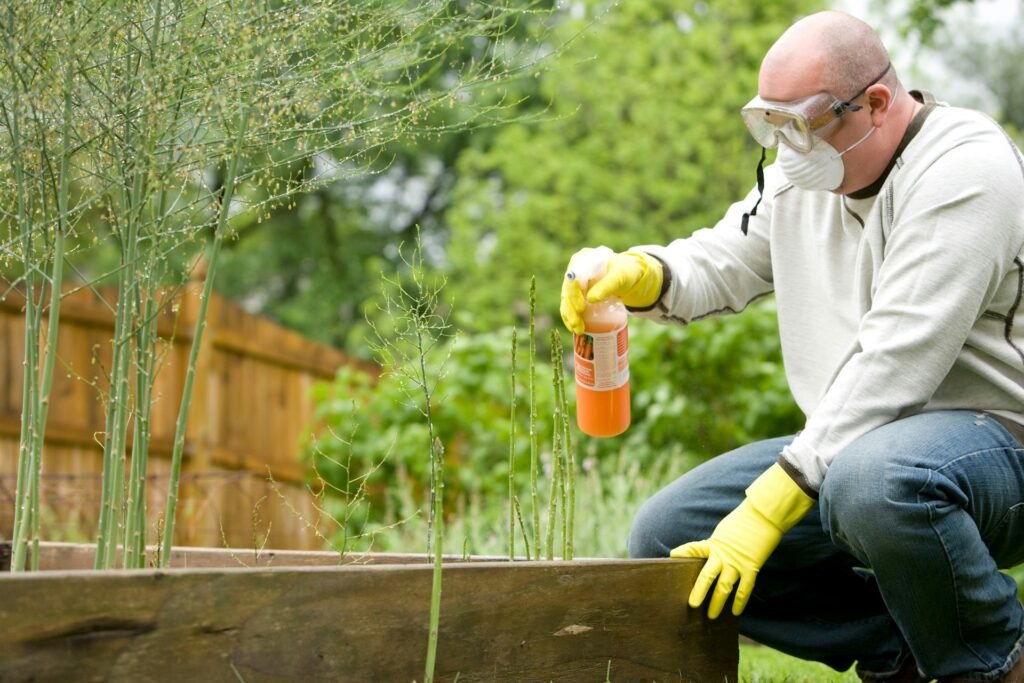
One organic gardening myth is that organic pesticides are completely safe. Despite being natural, some actually cause adverse reactions in humans, such as rashes and blisters. They can also harm good insects, according to Marcus Griswold, Founder of Your Bug Club. He says, “Myth: An organic or ‘natural’ pesticide is a safe one. Even when taken from nature, like pyrethrum (from marigolds) or nicotine sulfate from tobacco leaves, they can be toxic to beneficial insects. When you kill the beneficial insects, your flowers suffer.”
If you’re planning to use organic pesticides, pay attention to their signal words, which indicate their toxicity levels. Choose solutions that target the specific pest invading your vegetable garden to avoid harming beneficial insects. You can also whip up natural pesticides, like hot pepper repellent or neem oil spray.
There’s some truth to this vegetable garden myth. Bananas and their peels are rich in potassium, which is one of the essential soil components for gardening. However, burying the peels in the ground isn’t the best way to integrate them into your garden.
Besides attracting unwanted wildlife, the peels also need a lot of nitrogen to break down. The problem is that your vegetables also need this essential nutrient. While banana peels can benefit the soil, they must be in a form that the soil can absorb. A better approach is to add the peels to your compost pile.
Understanding the truth behind these vegetable garden myths brings you closer to a bountiful harvest. However, keep in mind that these are only the most common ones. To avoid falling for other misconceptions, conduct thorough research while planning your garden to cover all your bases. Prioritize science-backed resources or seek advice from experts in your area.
Here are the answers to common questions about vegetable gardening.
The 3-year rule is a guideline for crop rotation and perennial gardening. For crop rotation, the rule is to avoid growing the same crop in the same spot for three years. Growing different vegetables helps balance the nutrients in the soil, deter pests and break disease cycles.
For perennials, the rule ensures you give your plants the necessary three years to bloom. Year one is for sleeping or root development, year two is for creeping or gradual establishment, and year three is for leaping or full, vigorous growth.
Watering too much or too little is one of the most common vegetable garden mistakes for beginners. Here are other missteps first-timers often make:
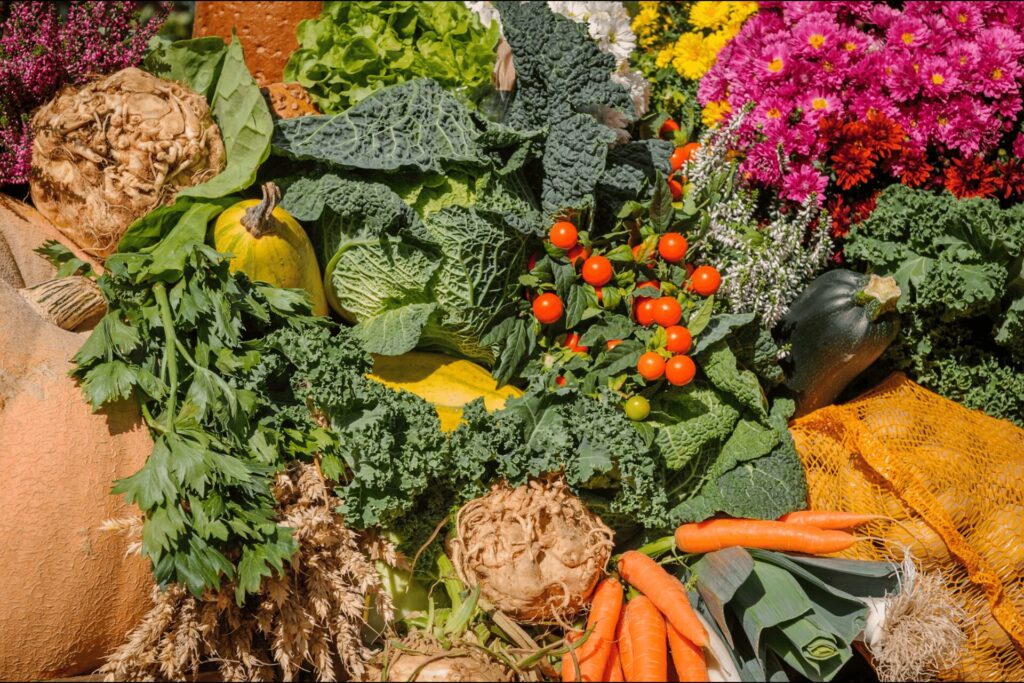
Avoid growing vegetables from the same family or with the same nutrient needs close to each other. Here are some crops that are best planted apart:
Yes, coffee grounds offer benefits to tomato plants. Their caffeine content naturally deters pests. Coffee grounds also contain potassium, phosphorus and nitrogen, which are beneficial nutrients for acidic plants like tomatoes.
Use spent coffee grounds, as brewing lessens their acidity and makes them more ideal for gardening. You can add spent grounds to your compost pile or spread a thin layer of fresh grounds as mulch to supplement your tomatoes.
No, it’s not bad to water plants in the sun, but that doesn’t mean that you should water your garden at noon. Leaf burn is another gardening myth that has been debunked for years. Watering plants in the middle of the day won’t scorch their leaves, but noon is still not an ideal time to hydrate your garden. The water evaporates quickly, which means less water soaks into the roots of your vegetables. Early morning is the best time to water your plants.
Epsom salt is only helpful if your vegetable garden’s soil has insufficient sulfur or magnesium. The idea that you can use Epsom salt to prevent blossom end rot in tomatoes is a gardening myth. The magnesium sulfate compound may even make the problem worse, as blossom end rot happens due to calcium, not magnesium, deficiency.