


We are reader-supported. When you buy through links on our site, we may earn an affiliate commission.
Delicate, fragrant and steeped in meaning — lily of the valley is more than just a pretty face in your yard. Known for its small, bell-shaped flowers, this beloved bloom has been a favorite of royalty, brides and gardeners for centuries. Whether designing a shady corner retreat or adding a touch of vintage charm to your yard, lily of the valley brings beauty and sentiment to any space. Here’s a breakdown of what makes them special, how to grow them and why they’re considered lucky.
Before you fall in love with the lily of the valley’s symbolism, let’s get to know the plant itself. These graceful perennials are as hardy as they are charming and they’re surprisingly low-maintenance when planted correctly.
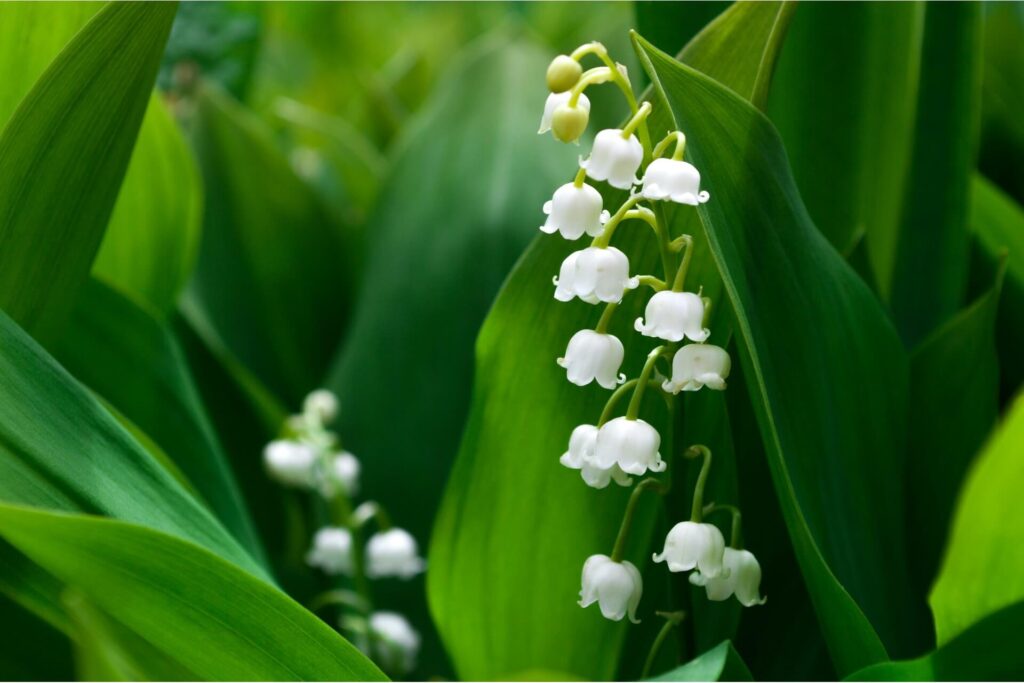
The botanical name for this plant is Convallaria majalis, and its bloom time is spring. It requires partial to full shade for the best growth and moist, well-drained soil. It can grow between six and 12 inches tall. While it’s gorgeous to look at, it is toxic to humans and pets if ingested.
Lily of the valley is ideal for shady gardens, borders and even woodland-style landscaping. Its rhizomes spread easily, making it a reliable ground cover, but be aware that it can become invasive if not managed.
The meaning of the lily of the valley goes far beyond aesthetics. Across cultures and centuries, this flower has symbolized purity, sweetness and new beginnings. Here are some of the most recognized interpretations:
Whether you’re planting for personal significance or simply to enhance your curb appeal, understanding the symbolism of lilies of the valley adds another layer of intention to your outdoor space.
Ready to get your hands dirty? Planting lily of the valley is surprisingly straightforward, even if you’re not a seasoned gardener. Whether you’re a homeowner starting a shaded yard or a contractor adding charm to a landscape design, here’s how to set this perennial up for success.
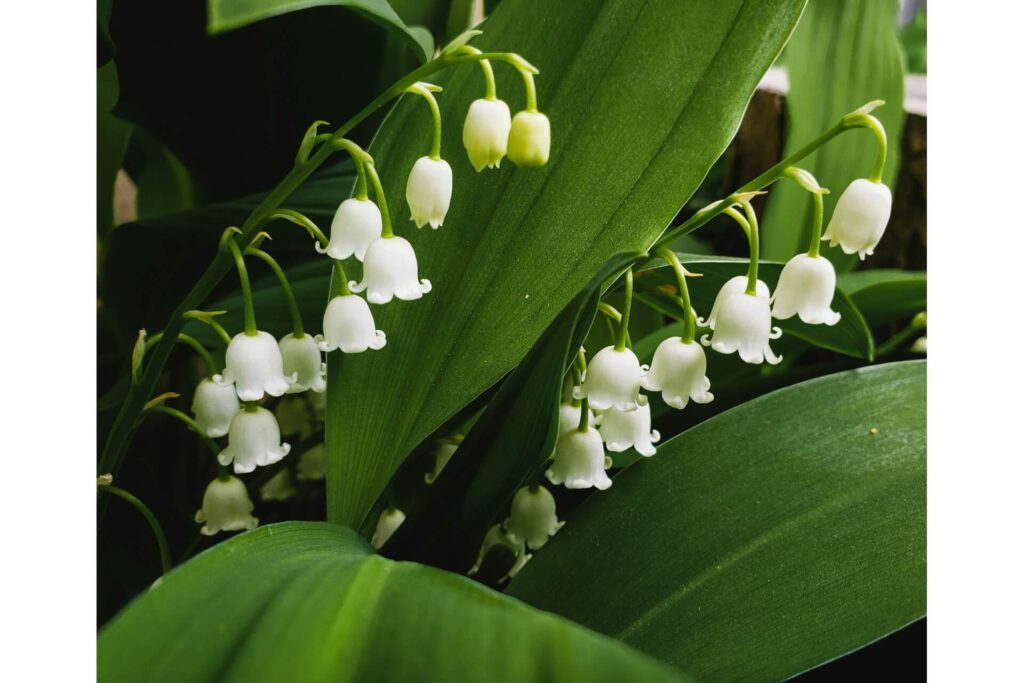
Pro tip: Lily of the valley spreads quickly via underground rhizomes, so consider installing a root barrier to contain it to a specific area.
For all its beauty, lily of the valley does have a dark side — it’s highly toxic. This is critical information for families with small children, pet owners and professionals working on outdoor renovations or landscaping.
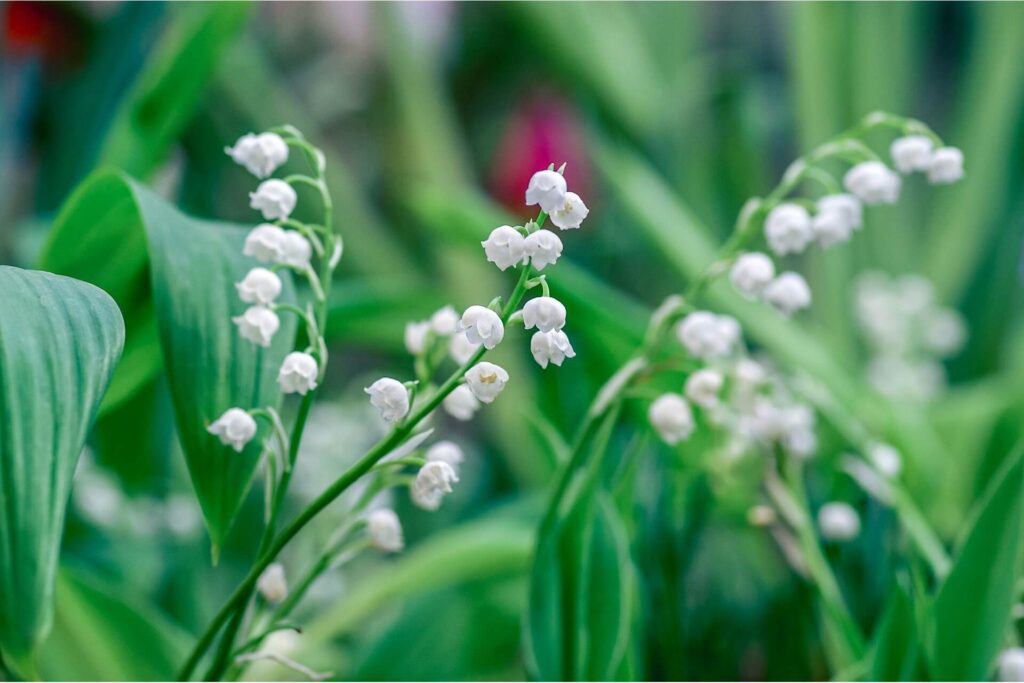
If you have young children, a good way to keep them away from lilies of the valley is to give them designated areas in the yard where they can play and pick flowers. You can also let them know that the area near the lilies of the valley is a no-go zone.
Despite the risk, lily of the valley is perfectly safe to grow if you take precautions. Think of it like bleach or a hot stove — harmless when respected, dangerous when ignored. If you suspect accidental ingestion, contact poison control or a veterinarian immediately. Early intervention makes a big difference in outcomes and potentially dangerous situations.
Now that you know how meaningful lily of the valley can be, the next question is where you should plant it. This hardy perennial isn’t just symbolic and incredibly versatile in landscape design. Here are the best uses for lily of the valley:
Lily of the valley may be small, but its impact — both visually and symbolically — is immense. From its fragrant spring blossoms to its deep-rooted meaning of purity, luck and joy, this flower is a quiet powerhouse in the yard world.
If you’re looking for a gentle flower to bring life to a quiet corner of your yard, lily of the valley is the best way to do it. With a little care and consideration, lilies of the valley can turn even the shadiest corner into a poetic, fragrant retreat.
Original Publish Date 7/15/2025 — Updated 11/25/2025