


We are reader-supported. When you buy through links on our site, we may earn an affiliate commission.
Caring for plants is so rewarding, and it gets even more fun when they outlast a single season. If you want a garden that grows with you through the years, it’s time to consider perennial plants. They’re a great fit whether you’re brand-new to gardening or you’ve had a green thumb for decades. I’ve been growing them in my own yard for years, and I still get a small thrill every spring when the same plants show back up. Here’s everything you need to know before you add perennials to your garden.
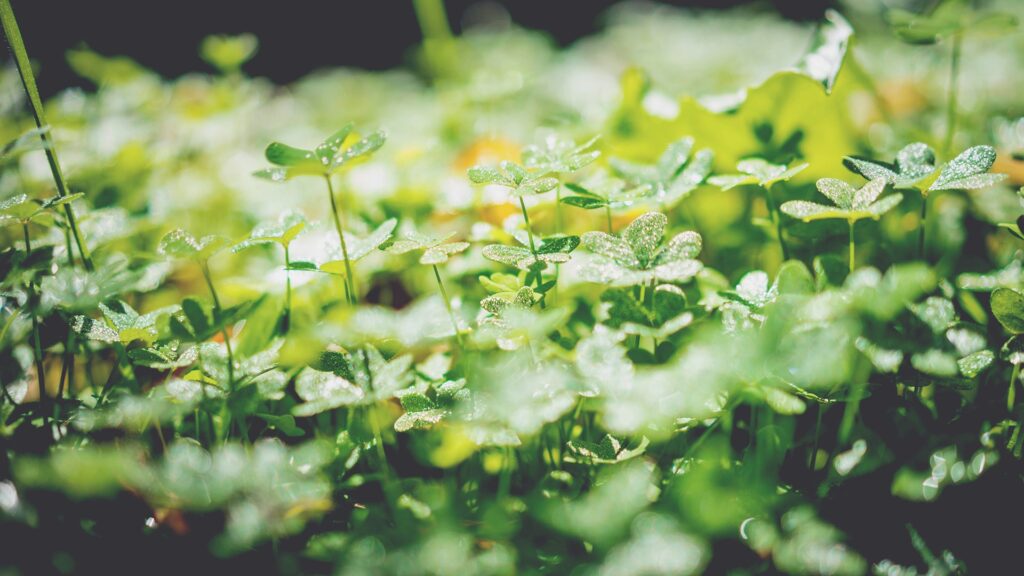
Before picking varieties, it helps to know what actually makes a plant a perennial.
Perennial plants live for multiple years if they find the right home and receive proper care. Many herbaceous perennials die back above the soil each fall, while their underground roots, crowns or rhizomes survive through dormancy until growing conditions return. They come in nearly every shape and size, which is part of why gardeners love them so much.
Once you understand what a perennial is, the next natural question is how it stacks up against an annual.
People compare perennial and annual plants when they’re about to bring a new leafy friend home. If you’re ready to create a garden blueprint, researching which type of garden you’ll grow is a crucial first step.
Perennials can live for a few years or much longer. Annuals last one season and fade out once that season ends. Perennials are built to survive long-term, while annuals put their energy into blooming and reproducing fast.
Annuals also can’t typically handle cold weather. Perennials are tougher and ready to stick it out. They might need a little help depending on how cold your winters get, but they usually bounce back once spring arrives.
If you spot perennials at a local nursery, remember they’ll stick around for years with the right care. Ask a store representative to help you find options suited to your region. They’ll likely recommend specific perennials based on your hardiness zone, which tells you the coldest temperatures your plants need to tolerate to survive winter.
With the basics covered, here’s a look at a handful of perennial favorites, including a few I’ve grown myself.
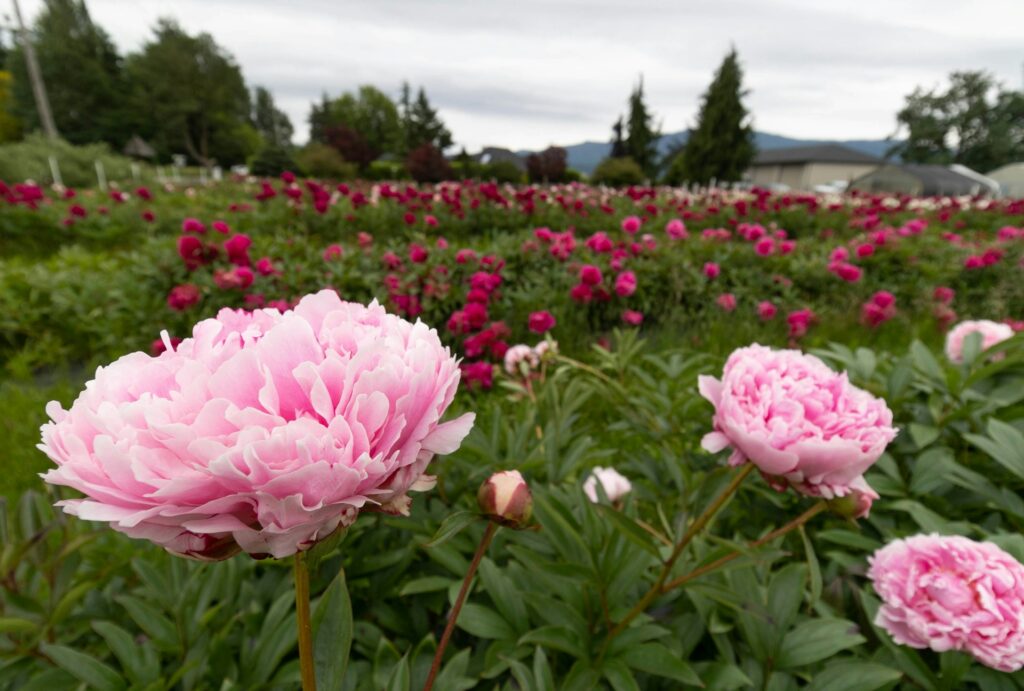
Peonies are romantic, beautiful flowers that are hardier than you might expect. They bloom between spring and summer, and the bush they grow on stays alive through fall and winter. Keep watering it and you’ll watch your peonies return next year. Mine have come back bigger every spring for six years running, and I still cut a few blooms for the kitchen table every June.

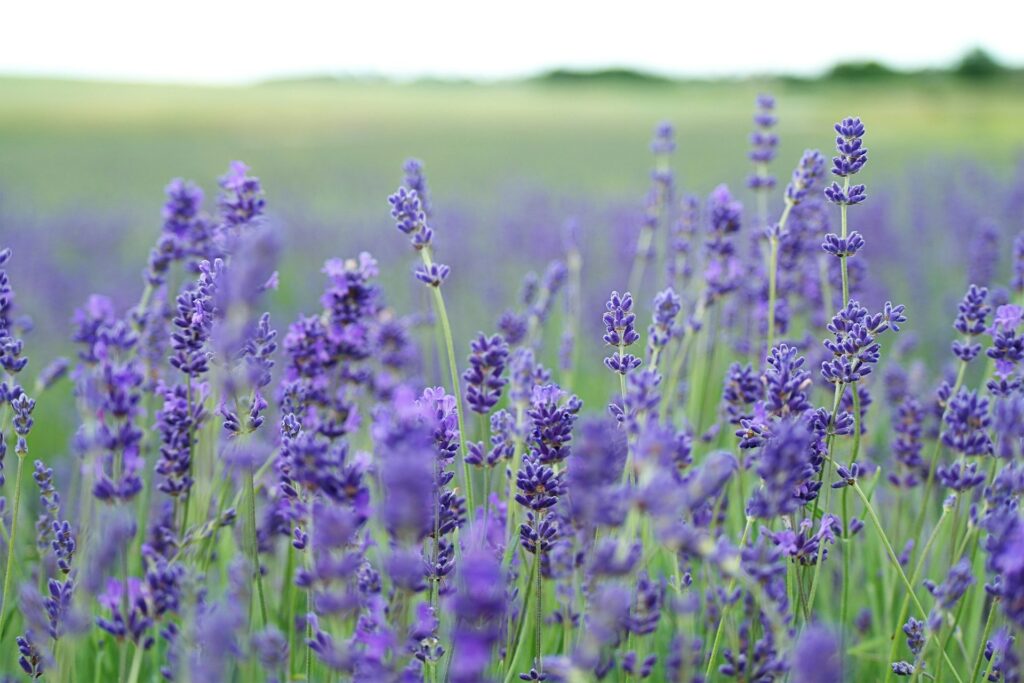
You can grow lavender in your garden during the warm months, but it doesn’t handle cold, wet weather well. Common English lavender is hardy in USDA zones five through nine and usually stays in the ground year-round within that range. If you’re growing a more tender variety, like French or Spanish lavender, or gardening in a colder zone than five, you’ll need to repot it and bring it indoors for winter to keep it healthy.
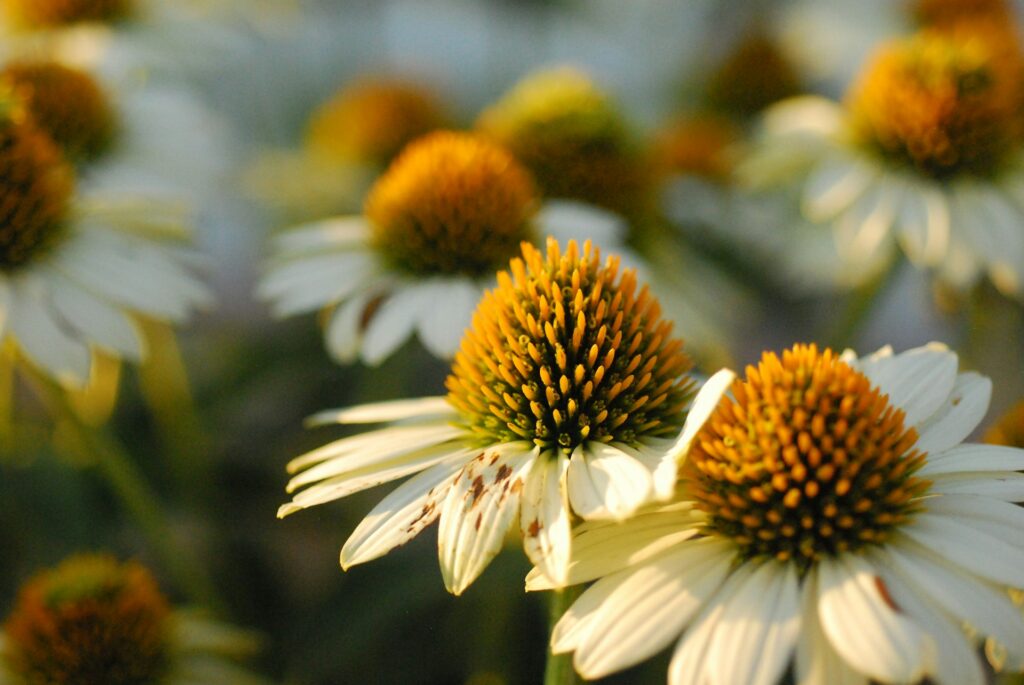
Plant coneflowers in full sun when possible, though they can tolerate partial shade and still thrive with well-drained soil. Their blooms turn brown in fall and winter, but don’t worry — trim away the dead flower heads at the end of winter and they’ll grow back once spring arrives. I leave a few seed heads standing through winter since goldfinches pick at them, which is a nice bonus if you like birds in your yard.

Flowers aren’t the only perennials worth growing — herbs come back year after year too. Mint is famously easy to grow and goes dormant through winter. Just keep it contained in a pot or cut it back often, because it spreads fast and can take over a whole yard if left unsupervised. Learned that one the hard way after letting a single mint plant sprawl across half a raised bed in one season.
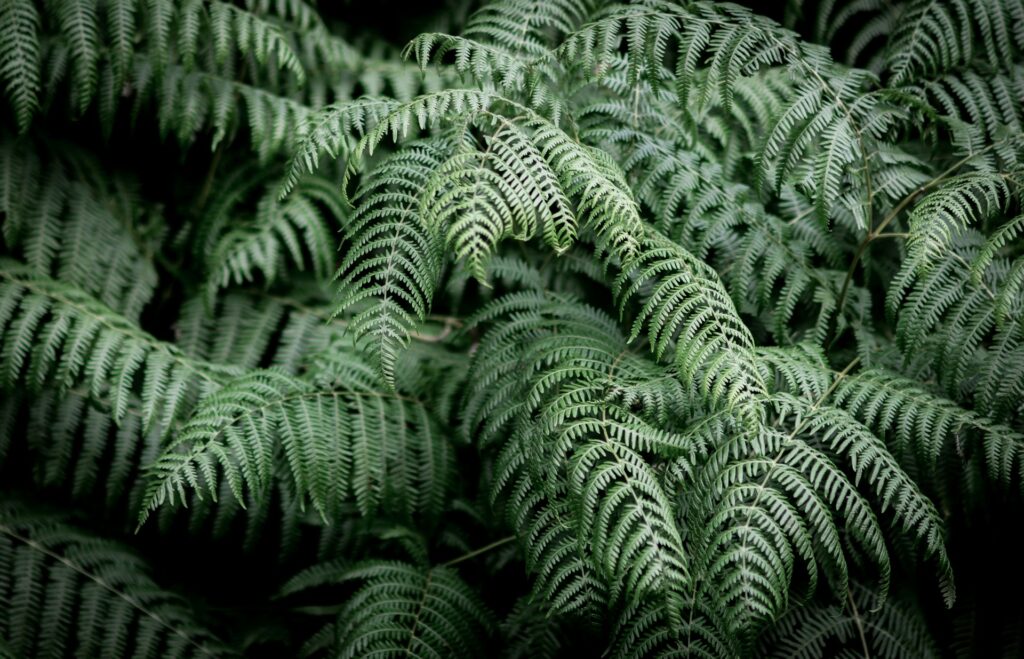
The ferns you want on your front porch make perfect perennials. Bring them into a garage or shed for winter and keep watering them to keep them alive. They’ll stay green and healthy until warm weather calls them back outside in spring.
Seeing these five side by side makes it easier to decide which ones fit your space and skill level.
|
Plant |
Sun Needs |
Water Needs |
Bloom Season |
Beginner-Friendly? |
|
Peonies |
Full sun |
Moderate |
Spring to summer |
Yes |
|
Lavender |
Full sun |
Low — avoid soggy soil |
Summer |
Moderate — needs winter protection in cold zones |
|
Coneflowers |
Full sun — 8+ hours |
Low to moderate |
Summer to fall |
Yes |
|
Mint |
Full sun to part shade |
Moderate to high |
Summer |
Yes |
|
Ferns |
Part to full shade |
High |
N/A, grown for foliage |
Moderate |
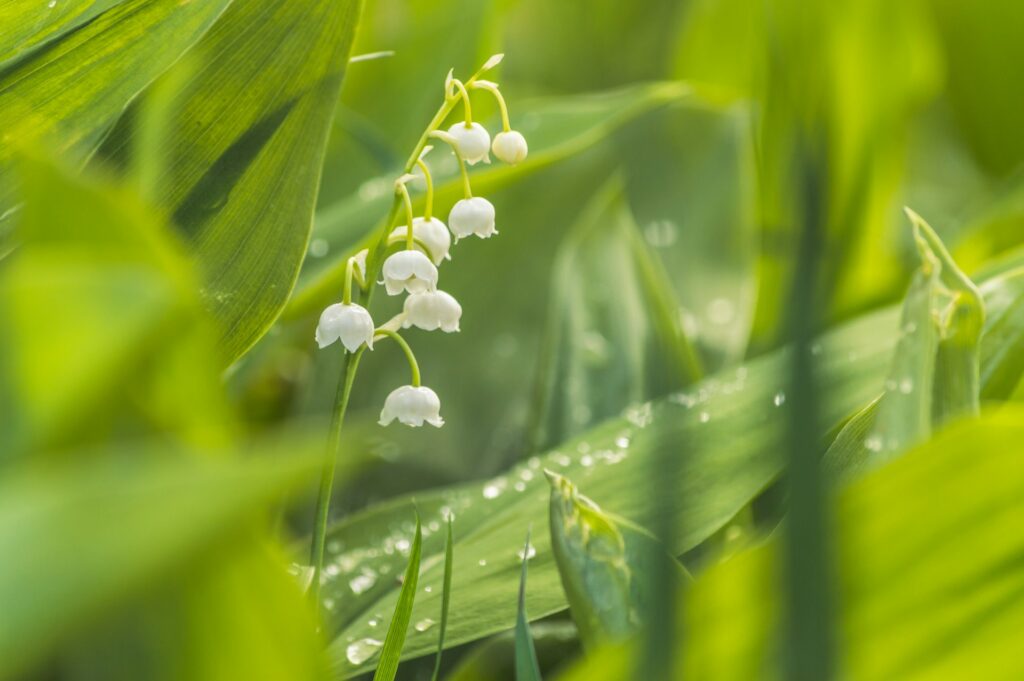
Not every yard gets full sun all day, so it’s worth knowing which perennials handle shade well.
If you have a shady yard, there’s no need to worry. Plenty of perennials thrive in the shade because they’re tough. Consider options like:
Comparing the best perennial plants for shaded spots gives you more options than you might expect. Take your time weighing factors like the size of your garden, whether you’ll keep plants indoors part of the year and how much sun they’ll actually get. You’ll land on the right picks without much guesswork.
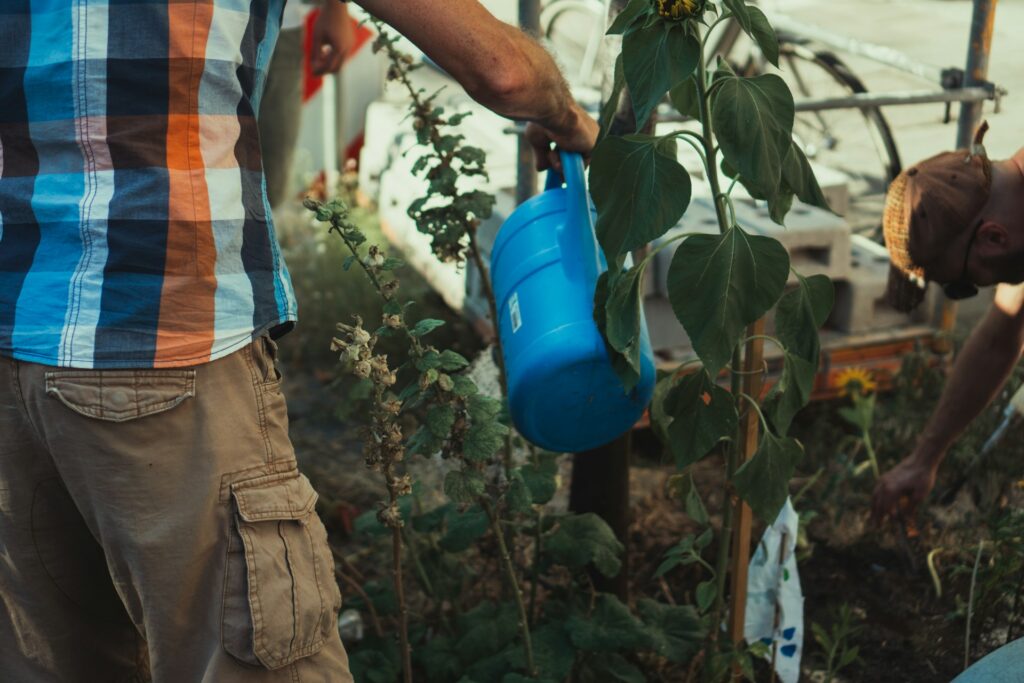
If you’re newer to gardening, it’s worth starting with varieties that forgive a missed watering or two.
A moth orchid might catch your eye and offer some unique appeal, but it’s trickier to care for than most perennials. If you want plants that will thrive alongside beginner gardening skills, start with easygoing options like:
If you’re mapping out sustainable gardening tips for beginners before you dig your first hole, low-maintenance perennials like these are a smart place to start since they need fewer inputs once established. As you browse easy-to-grow options, make a running list of everything you like. You’ll narrow it down as you factor in your hardiness zone, how much sunlight each spot gets and how large you want the mature plant to be.
The right tools make the difference between fighting your garden and actually enjoying it. Here are three updated picks to have on hand.
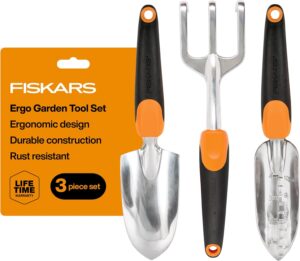
This set pairs a trowel, a transplanter and a cultivator, which covers most of what you’ll need when you’re digging new homes for perennials, moving seedlings or breaking up compacted soil. The cast-aluminum heads resist rust, and the SoftGrip handles reduce hand fatigue if you’re planting more than a bed or two in one afternoon. I keep mine in a bucket by the back door so there’s no excuse to skip a quick weeding session.
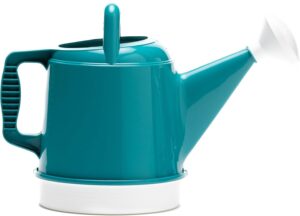
Even if a hose reaches your garden, it’s worth keeping a dedicated watering can on hand for spot-watering new perennials or moving plants into pots before winter. This two-gallon can balances well when full and pours evenly without sloshing, which matters more than it sounds like once you’re carrying it across a full yard.

Annuals can use fertilizers that feed them over a period of days. Their growth seasons are much shorter. Perennials need a long-lasting fertilizer that feeds them over months. Apply a fertilizer after planting your new perennials so it kickstarts their growth and gives them potential nutrients your soil is missing. You can also schedule calendar reminders to reapply your fertilizer every three months as needed.
Now that you know what perennial plants are and which options suit beginners, you’re ready to start digging. Add a few of these varieties to your outdoor or indoor garden this season, and give them consistent food and water. With a bit of patience, they’ll become some of your favorite plants for years to come.
Note: This article was first published on October 29, 2024, and was revised on August 25, 2026, to reflect the most current information.