


We are reader-supported. When you buy through links on our site, we may earn an affiliate commission.
Tree preservation orders (TPOs) are what keep the remaining vegetated areas in the United Kingdom untouched. The birthplace of the Industrial Revolution is one of the most nature-depleted places today.
The state lost most of its natural environment to agriculture and development over the past centuries. Fortunately, the British government is aware of the issue and is attempting to prevent further ecological decline through legal means, like TPOs.
A TPO is a legal directive issued by a local planning authority (LPA) in the U.K. to protect specific trees, groups of trees or woodlands, as part of town and country planning. Once a TPO is in place, it is illegal to cut down, prune, uproot, damage, or intentionally destroy the protected tree without permission from the issuing authority.
The Town and Country Planning Act 1990 provides the legal basis for TPOs, giving local governments the power to protect trees that provide public “amenity” value, which can refer to:
A TPO recognizes a tree’s importance, protecting it from unnecessary removal or modification, particularly if motivated by property expansion, development, or personal preference. This legal directive typically:
Local regulations across North America aim to preserve tree canopy or encourage planting, but in the UK, a TPO focuses on safeguarding individual trees that matter most. Here are the primary TPO objectives.
TPOs help ensure development doesn’t result in the loss of mature or structurally important trees, which provide shade and cool urban locations, which can be 27 degrees warmer than nearby areas. Mature trees can take decades to replace, making conservation a more practical alternative to replacement.
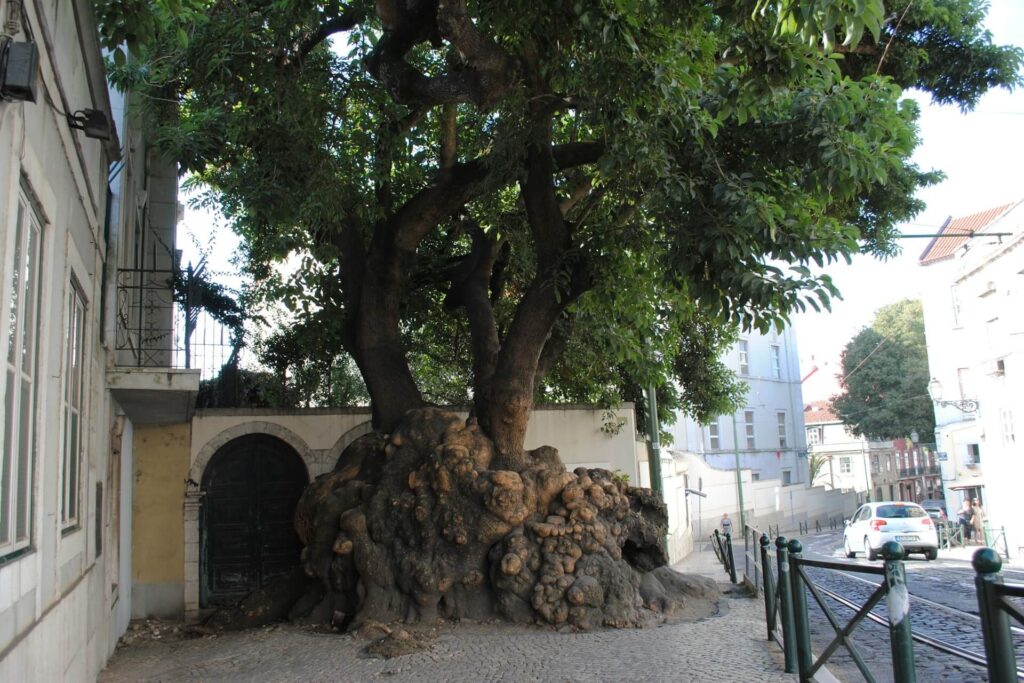
There are trees with historic significance, such as those associated with important events, heritage sites, or old estates. A TPO ensures such trees remain part of the local landscape.
Tree-lined roads and landmark trees have their place in any area’s overall look and history. A TPO protects these trees from being removed or changed, thereby preventing the impact such changes might have on the overall appearance of a neighborhood.
Many trees, groups of trees, and woodlands provide valuable habitats for insects, birds, and other wildlife, as well as other plants. A TPO ensures they are protected to support broader environmental goals.
When developers attempt to take shortcuts by removing mature trees, a TPO will require them to work around protected trees or provide strong evidence to justify their removal. While a tree preservation order’s purpose is not to block development entirely, it ensures environmental considerations remain central to planning decisions.
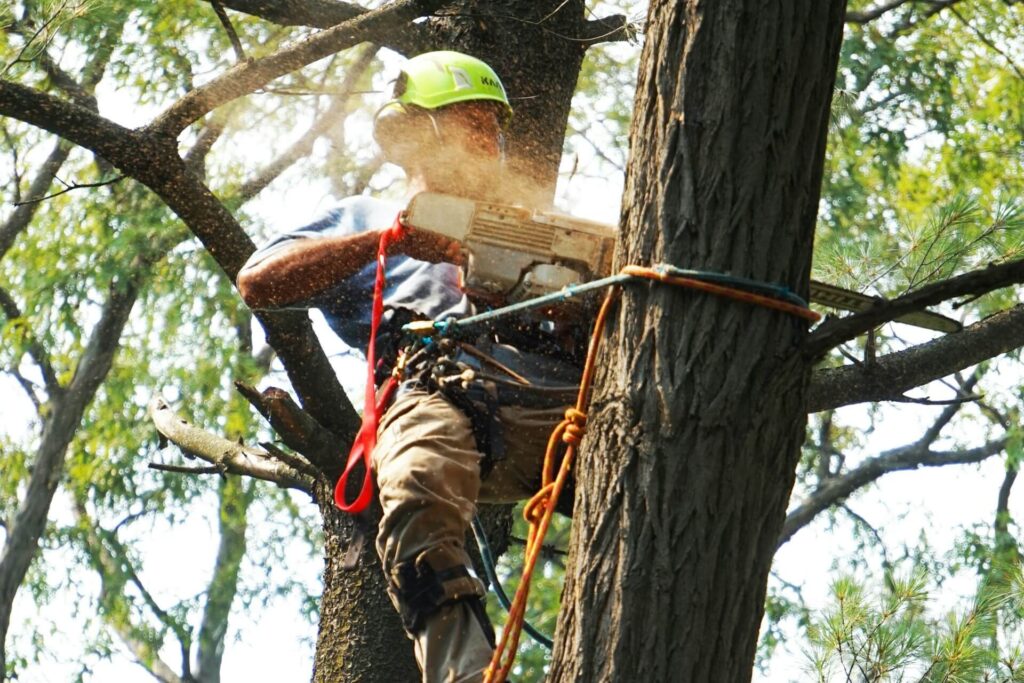
It’s possible to have a TPO removed, although it’s not an easy process. You need a clear and strong justification to remove a tree protected by law, and the burden of proof lies with the applicant.
You may remove or modify a TPO if:
For instance, in County Durham, you must request permission from the council to prune or remove a protected tree. You must also obtain the green light from the property owner if you don’t own the tree.
In most cases, LPAs, which are typically local councils, won’t grant TPO removal requests just because a tree is dropping leaves, blocking sunlight, or interfering with gardening or landscaping plans.
Unpermitted tree removal violates the law. Offenders often pay tens or thousands of pounds in fines and must plant a replacement tree of a similar species.
The United States and Canada don’t have direct equivalents of the UK’s TPO system, but there are several municipal ordinances, state laws, and developer incentives that serve a similar purpose. These five are excellent examples.
Most midsize and large U.S. cities have tree ordinances that regulate the removal, pruning or replacement of specific trees. These laws typically apply to:
Cities, such as Atlanta, San Francisco and Seattle, have strict tree protection laws that, in practice, function much like TPOs. In San Antonio, any party seeking to disturb vegetation for development purposes must obtain a tree permit.
Across the U.S., zoning codes frequently require:
There are U.S. and Canadian cities that maintain lists of heritage trees or special trees, which receive protection based on age, size or species. Examples include:
In the U.S. and Canada, private landowners can use conservation easements to protect trees or woodlands from development permanently. These agreements, often managed by land trusts, ensure long-term preservation but are voluntary in nature.
Some local governments offer incentives to encourage tree preservation, including:

In 1997, Julia Butterfly Hill climbed a towering 1,000-year-old redwood tree called Luna near Stafford, California, as a form of protest and protection. She wanted to safeguard the ancient tree from the logging activities of the Pacific Lumber Company.
Hill stayed in the tree for 738 days, living on two cramped platforms amid windy and wet conditions. She held her position until the lumber company agreed to spare the tree and the surrounding vegetation within a 200-foot buffer zone. Her civil disobedience is the reason Luna and nearby trees still stand to this day.
TPOs have effectively preserved vital vegetation in the U.K. Adopting these legal tools in other countries isn’t straightforward, as every jurisdiction operates differently. Although North America hasn’t adopted the concept, the U.S. and Canada have implemented similar initiatives tailored to their government frameworks and cultures to protect local trees.