

We are reader-supported. When you buy through links on our site, we may earn an affiliate commission.
You’ve lovingly tended your indoor plants — watering, pruning and giving them their perfect sunny spot — only to spot a fuzzy white patch creeping across the soil. Mold is unsightly and a sign that your indoor ecosystem is out of balance. The good news is with a few simple fixes, you can restore your plants’ health and keep your home’s air quality and aesthetics thriving.
Mold on house plants is more common than you think and it’s usually not the plant’s fault. Most of the time, it’s a type of saprophytic fungi that feeds on decaying organic matter in the soil — basically, it’s nature’s cleanup crew doing its job a little too close to home. While this kind of mold usually doesn’t harm the plant directly, it’s a sign that your indoor environment is out of balance.
For homeowners and renters, mold is more than just an unsightly nuisance. Indoor mold spores can affect air quality and trigger allergies, asthma or other respiratory issues, especially in spaces with poor ventilation. Studies show that indoor air can sometimes be two to five times more polluted than outdoor air when moisture levels aren’t managed properly. That’s why keeping an eye on your plant’s soil health isn’t just about aesthetics — it’s also about maintaining a safe, healthy home.
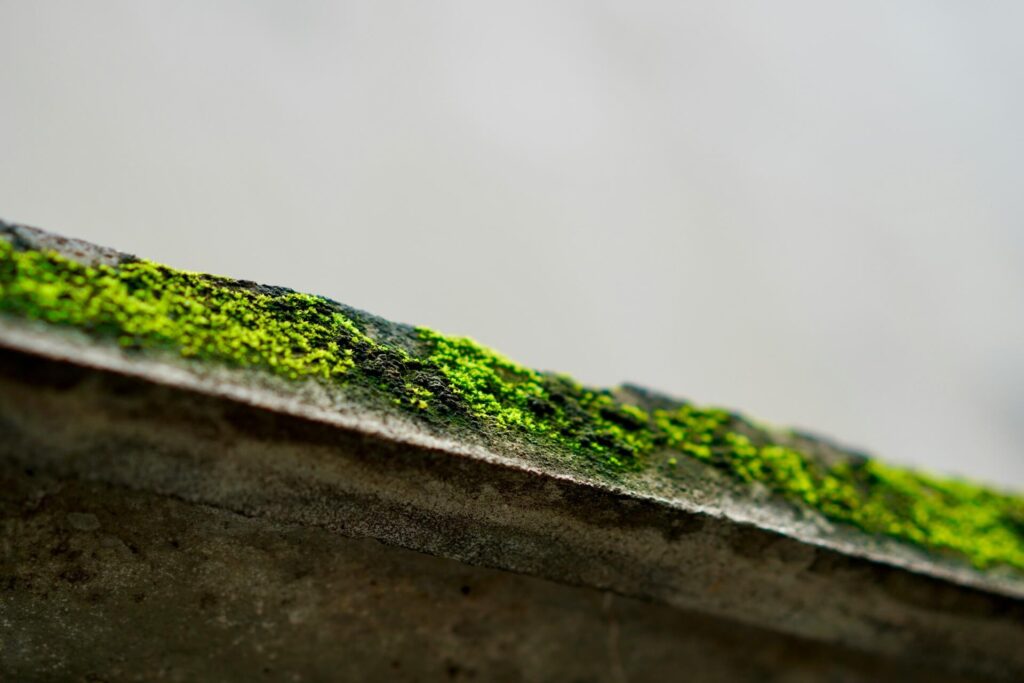
Mold thrives where conditions are just right — and those conditions are often created unknowingly by your plant care routine. Here’s what you need to watch out for:
Understanding these factors helps you see that mold isn’t just a plant problem — it’s a symptom of environmental imbalance. Adjusting how and where you care for your plants is the first step in preventing problems.
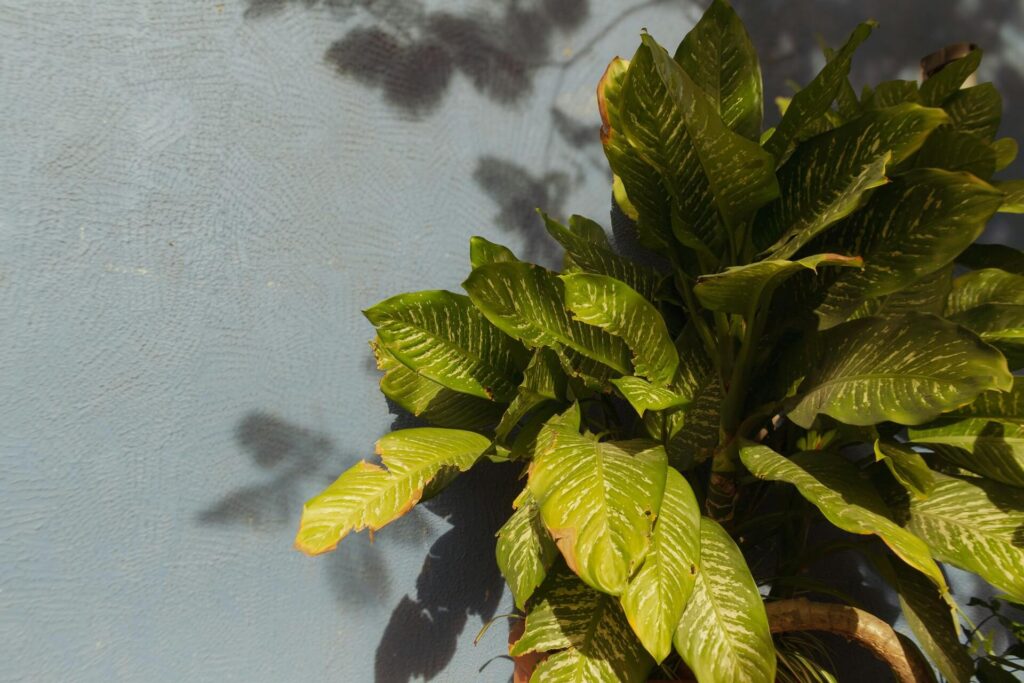
Catching mold early is crucial for maintaining the health of your house plants and keeping your home safe. Look for these common signs:
A quick test can help determine severity. If the mold wipes away easily and your plant looks healthy, it’s usually a mild case. If leaves start to yellow or the soil smells sour, even after surface cleaning, it’s time for immediate intervention. Acting early prevents mold from spreading to other plants — and keeps your home from developing more serious moisture issues.
Once you spot mold, it’s time to act before it spreads. Luckily, most cases can be handled safely with a few simple steps:
For more home-focused tips on controlling indoor moisture, check out Renovated’s guide on keeping your home mold-free. This isn’t just about plants — your entire living space benefits from a drier, well-ventilated environment.
Preventing mold is easier than constantly treating it. A few sustainable habits go a long way:
These strategies not only protect your plants but also reduce the risk of indoor mold affecting your home’s walls, carpets and furniture.
Sometimes, persistent mold signals more than just overwatered soil. If mold keeps coming back despite proper plant care, it could indicate hidden moisture issues in your home:
Moisture from unseen leaks in your pipes or roof can encourage mold growth on floors, walls and nearby plants. Condensation on windows and walls creates a prime environment for fungi if you have poor insulation or ventilation. Air conditioning systems can also accumulate moisture, spreading spores throughout the house.
If you notice recurring mold despite your best efforts, it’s wise to call a contractor or property manager for an inspection. Catching these issues early protects both your plants and your home value and prevents more expensive repairs down the line. For detailed advice on addressing home moisture problems, Renovated.com offers practical solutions for homeowners and renters alike.
A little mold doesn’t mean you’ve failed as a plant parent — it’s simply your home’s way of signaling that it needs a bit more attention. By monitoring watering habits, improving airflow and keeping humidity in check, you can keep your house plants healthy and your indoor environment mold-free. With these steps, you’ll be able to enjoy lush, thriving greenery without worrying about fuzzy invaders, proving that a little knowledge and action goes a long way in creating a happy, healthy home.