
We are reader-supported. When you buy through links on our site, we may earn an affiliate commission.
If your once-perfect lawn suddenly looks like a mini construction zone of tunnels and dirt mounds, moles may be the culprits. These underground diggers are nature’s pest control gone rogue — great for soil aeration but a nightmare for lawns. The good news? You can reclaim your yard without harming your soil’s ecosystem. Here’s how to get rid of moles in your lawn for good, using safe, effective and long-lasting methods.
1. Spotting the Signs of Mole Damage
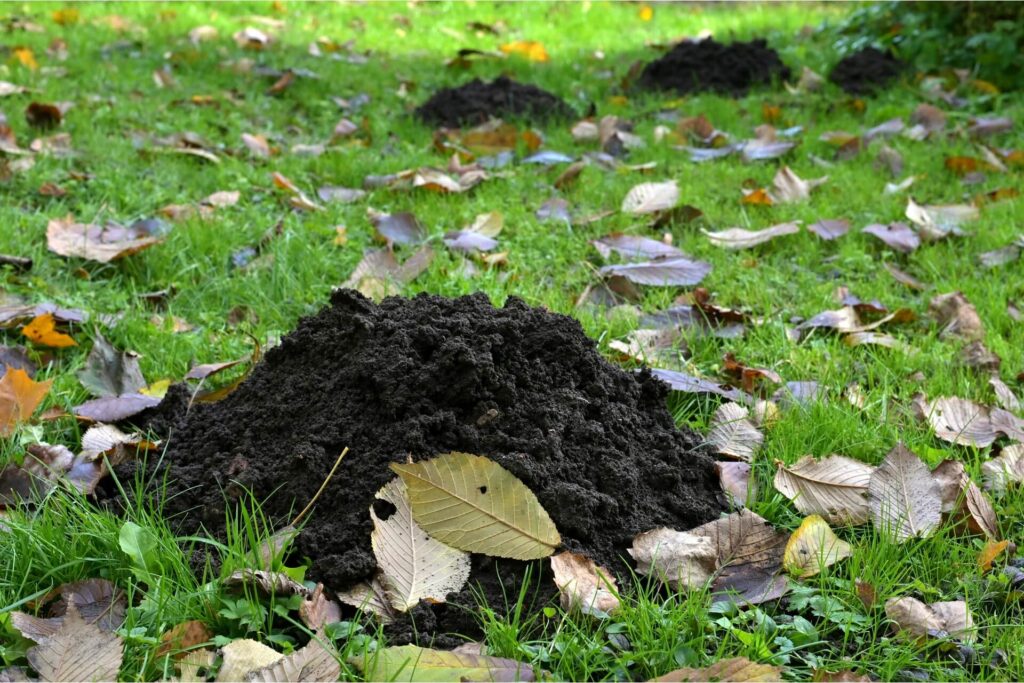
Before jumping into removal methods, it’s essential to confirm that moles are truly responsible for the chaos in your yard. Moles leave a very specific trail. Look for raised tunnels snaking across the lawn, soft or uneven soil and cone-shaped mounds of dirt known as molehills. These volcano-like piles are often your biggest clue that something is burrowing below.
Don’t confuse moles with voles or gophers. While all are underground dwellers, moles are insectivores, not plant eaters. If your grass roots are intact but the soil feels spongy, moles are the likely culprits. Quick identification matters because the longer they tunnel, the more extensive and expensive the damage becomes. According to landscaping industry data, homeowners can spend a significant amount on repairing lawns affected by burrowing pests, which is proof that early detection saves money and frustration.
2. Why Moles Move In — Understanding Their Behavior
To truly eliminate moles, it’s helpful to understand why they’ve chosen your yard as their personal playground. Moles aren’t attracted to your grass. Instead, they’re drawn to what lies beneath it. Moist, loose soil full of earthworms and grubs is prime real estate for them. After heavy rain or in well-watered lawns, the soil softens, making tunneling effortless.
They’re most active in spring and early summer, when insect populations peak and soil conditions are ideal. Fun fact — a single mole can dig up to 18 feet of tunnel per hour, which explains how quickly those raised ridges appear. Overwatering, excessive fertilization and densely packed garden beds can unintentionally attract moles to your property. Knowing their habits is key to interrupting their routine and discouraging them from establishing long-term patterns.
3. How Do You Get Rid of Moles Permanently?

If the thought of harming moles doesn’t sit right, there are several eco-friendly ways to send them packing without upsetting your yard’s balance. Start by tackling their main motivation, which is food. Apply organic grub control or introduce beneficial nematodes, which naturally reduce the insect population that moles rely on. Once their buffet disappears, they’ll likely move on to richer hunting grounds.
Another gentle deterrent is the castor oil spray method. Mix one part castor oil with three parts water and a few drops of dish soap, then apply it to affected areas. The scent and texture make the soil unpleasant for moles, driving them away without harm.
You can also adjust environmental factors. Avoid overwatering, mow regularly and encourage natural predators like owls and snakes. For pet owners, even outdoor cats can help keep mole populations in check. These methods not only maintain your lawn’s health but also respect the natural ecosystem beneath it.
4. Proven Trapping and Professional Techniques
When natural methods aren’t enough, a more direct approach may be needed. Trapping remains one of the most effective and reliable methods for permanently removing moles. The most effective traps include scissor-jaw, harpoon and choker-loop models, all designed to target active tunnels. To find these spots, flatten a few ridges and check the next day. If they’re raised again, that’s an active passage. Setting traps there dramatically increases your chances of success.
For homeowners uncomfortable handling traps or unsure where to start, hiring a licensed pest control professional is a smart move. Many professionals use integrated pest management or IPM techniques, combining trapping, deterrents and habitat adjustments for long-term success. This approach not only removes existing moles but also reduces the chances of future invasions.
For more insights on maintaining and protecting your property, visit Renovated.com for expert resources on pest management, lawn care and home improvement strategies.
5. Prevent Future Infestations

Once the moles are gone, prevention becomes the name of the game. A few simple landscaping choices can keep them from returning. Start by creating physical barriers. Install underground fencing or line garden beds with gravel to make digging difficult. Moles dislike coarse materials that disrupt their tunneling.
Next, consider planting natural repellents like marigolds, alliums or daffodils. Their strong scents and roots help deter moles while adding beauty to your space. Balanced watering and proper aeration also make a big difference — overly damp lawns invite worms and insects, which attract moles in turn.
Routine maintenance like filling old tunnels, reseeding sparse patches and checking for new ridges after rain keeps your yard less inviting. Long-term prevention not only protects your lawn but can save hundreds in future repair costs.
6. Common Mole Myths and What Actually Works
When it comes to figuring out how to remove moles from your yard, misinformation spreads faster than the moles themselves. Here are a few of the biggest myths:
Myth: Moles eat your plants.
Truth: Moles are insectivores. They don’t eat roots or bulbs, but their tunneling can indirectly damage plants by disrupting soil structure.
Myth: Ultrasonic devices work every time.
Truth: These gadgets have mixed results, especially in dense or clay-heavy soils where vibrations don’t travel well.
Myth: Seeing one mole means an infestation.
Truth: Most lawns only host one or two active moles at a time. The damage just looks widespread because a single mole can cover several yards in a short period.
Understanding what actually works and what’s just lawn folklore helps homeowners focus on real solutions instead of gimmicks.
Mission Mole-Possible
Moles may be masters of the underground, but they’re no match for a well-informed homeowner. By combining early detection, eco-friendly deterrents and strategic trapping, you can restore your lawn to its lush, even glory and keep it that way. With the right plan in place, those mysterious tunnels will soon be a thing of the past, leaving you free to enjoy your yard without worrying about what’s lurking beneath the surface.
About The Author
Olivia Elsher is a Senior Writer and Editorial Manager at Renovated. She has over 5+ years of experience writing about property related topics such as: real estate, home improvement, renovation, and construction.