

We are reader-supported. When you buy through links on our site, we may earn an affiliate commission.
You love watching birds gather in your yard. But if you haven’t cleaned your feeder lately, you might be offering more than seed. Mold, mildew and bacteria build up quickly, especially in humid or rainy weather.
Cleaning a bird feeder protects birds, your property and health. If you’re already maintaining your home’s outdoor footprint, this small task belongs right alongside the rest of your seasonal checklist.
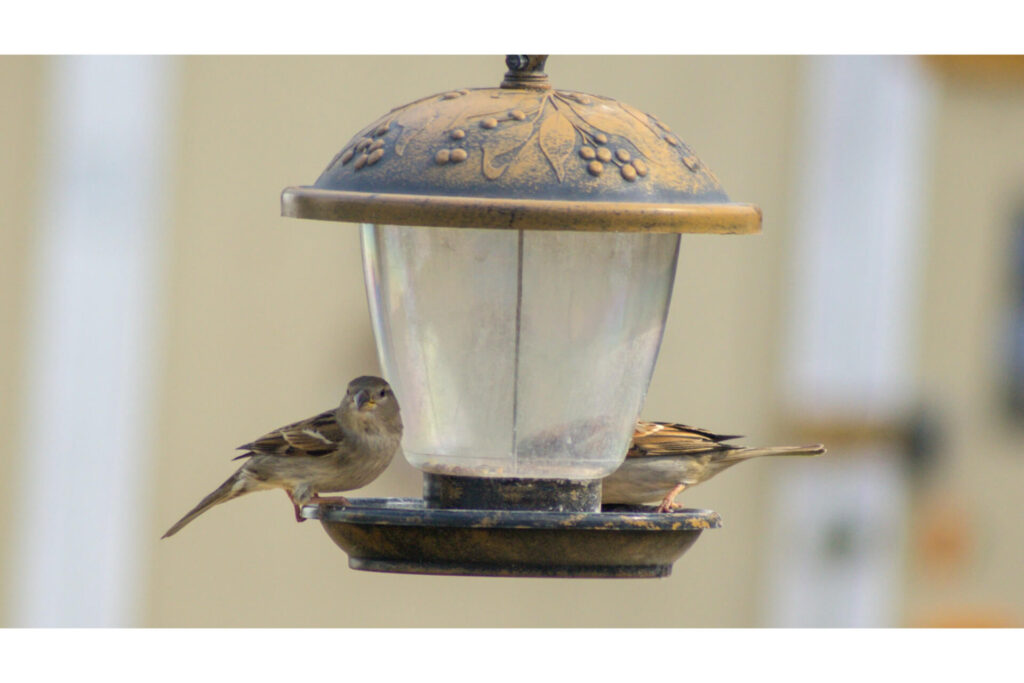
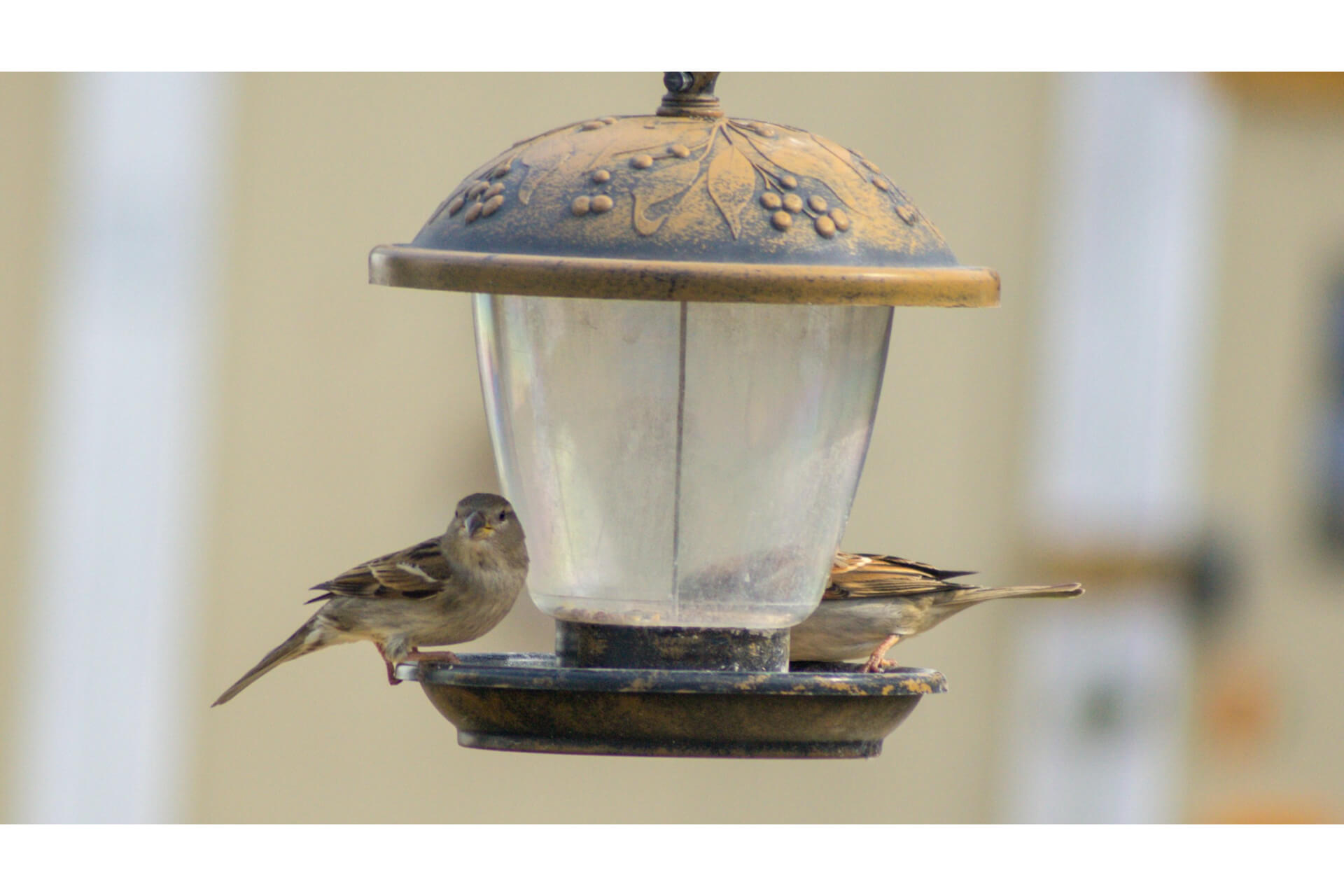
A bird feeder looks simple, but it’s a high-traffic dining station. Dozens of birds may land on it daily, leaving behind droppings, damp seed, dander and residue.
Over time, that buildup can harbor salmonella bacteria, aspergillus mold, avian pox virus and house finch eye disease pathogens. A study that tested swabs of picnic tables where bird droppings were found identified Salmonella in 27% of all cases, and a bird feeder is as much a gathering place for birds as park surfaces are.
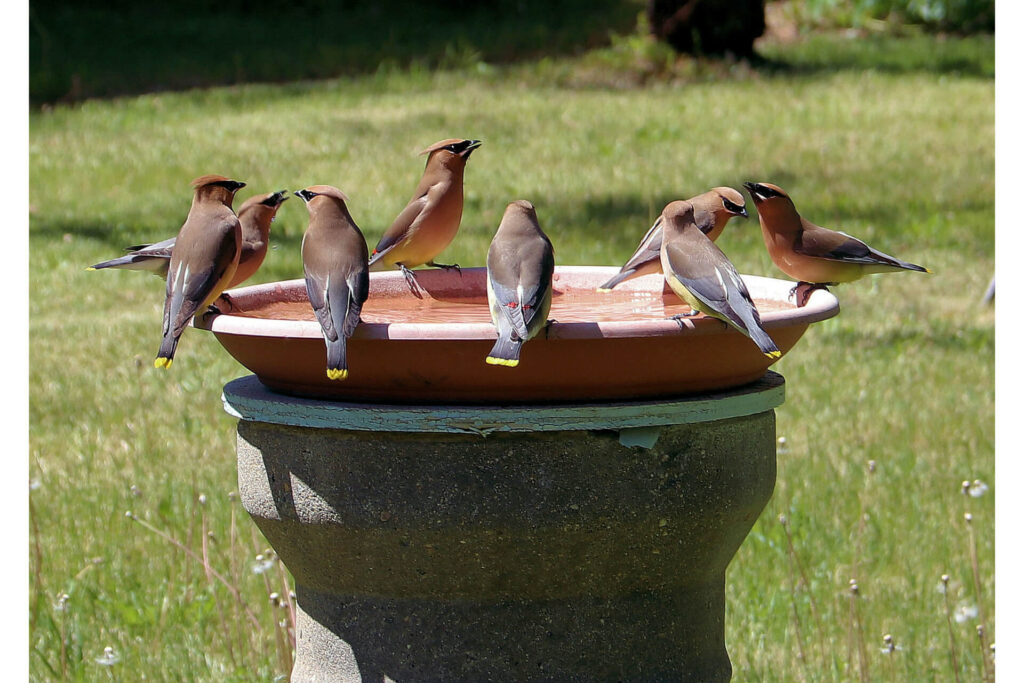
Areas where birds congregate, such as nests and surfaces near food, can quickly become contaminated and spread disease. If you’re managing a property, whether it’s your home or a listing, regularly washing feeding stations and baths is good practice that helps protect local bird life and the people who interact with them.
It helps to know what you’re dealing with before you grab a brush or a bucket and soap. Contaminated seed dispensers may hide the following:
If you notice clumped seed, sticky buildup or a sour smell, your feeder needs attention. Trust your senses. If it looks questionable, it probably is.
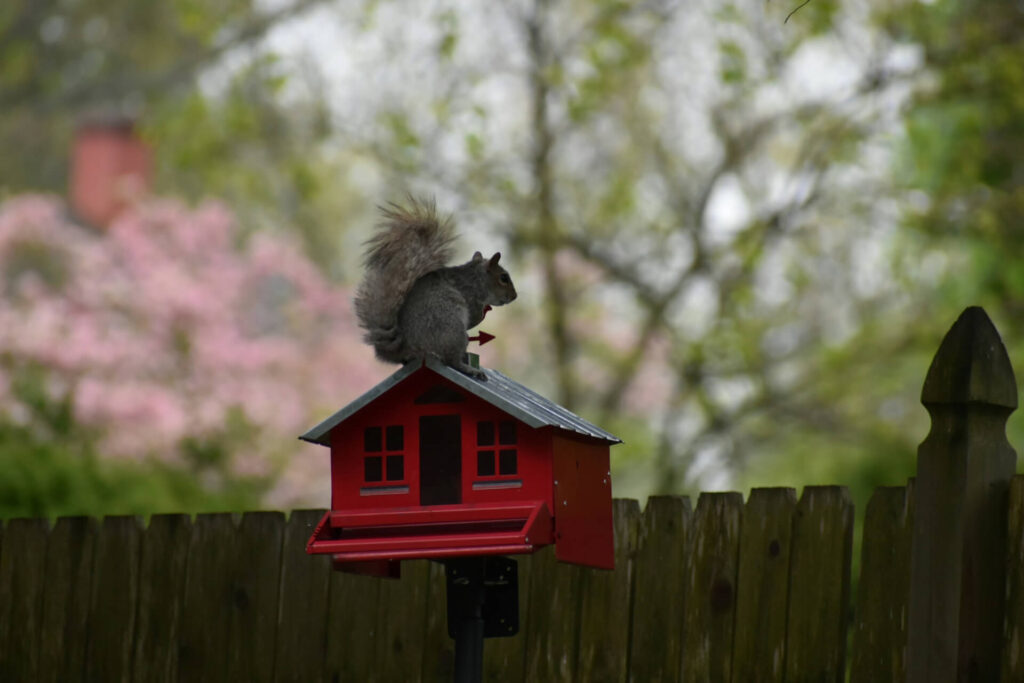
You don’t need specialty products. You need the correct ratios of basic household staples and thorough rinsing.
One part unscented household bleach to nine parts water is an effective disinfectant and kills most pathogens. This ratio is also not so strong as to leave a scent or chemical residue that might deter birds.
One part vinegar to four parts water is ideal for routine cleaning and to remove nectar or fat residue. It’s also a natural solution that won’t cause harm, and the scent evaporates quickly when you set the feeder in the sun to dry.
Hot water is a safe way to break down sugar film in hummingbird feeders.
You’ll also need a few sundries to help you clean baked-in dirt and to keep yourself safe during the maintenance process. Stock up on:
| Household Items to Use | Purpose |
| Bottle or toilet brushes | These round brushes are ideal for scrubbing tubes and reservoirs. |
| Scrub brushes | Hard-bristled brushes are great for removing layers of feces and seed buildup. It’s also a suitable tool for cleaning bird baths and outdoor furniture where droppings may collect. |
| Rubber gloves | Safety matters, and since microbes and dirt will be all over your hands while scrubbing, it’s advisable to protect yourself with heavy-duty rubber gloves. Even dry bird droppings or seed clumps can harbor pathogens that can be absorbed through your skin and nail beds. Wearing an apron for extensive cleaning is another strategic move. |
| Two buckets or basins | Keeping one for the initial soak and cleansing is wise, while the last one can be for rinsing or further sanitizing. |
| Outdoor workspace and old towels | Protect surfaces you work on with old towels or plastic sheeting. Remember, these are for cleaning contaminated surfaces and don’t add them to your regular washing or wash in your washing machine. |
While dish soap can be useful for lifting stubborn stains, you should avoid using it in hummingbird reservoirs. Even trace residue can harm these delicate birds.
Not all stations handle moisture the same way. The material matters.
These are the easiest to clean. You can safely soak them in bleach for several minutes until the dirt softens. Scrub feeding ports thoroughly — that’s where residue hides. Rinse until you no longer smell bleach or vinegar. Air-dry completely for several hours before refilling. You can use paper towels to dry nooks and crannies where moisture may hide.
The fibrous nature of wood means that it absorbs water. Avoid long soaking sessions, as this can cause expansion and cracking. Instead, scrub quickly with diluted bleach or vinegar. Rinse lightly and allow extra drying time. Sunlight reduces lingering spores and is a natural disinfectant.
Check for rust, and clean them like plastic stations, but dry immediately to prevent corrosion. Inspect seams and joints where moisture collects. Cleaning times are also when you can inspect the surfaces for signs of rust.
Fruit feeders usually have spikes, which can become contaminated with sap and suet, so these may need extra scrubbing, and having a heavy-duty wire brush handy will save you time and effort. Soaking it in hot water before scrubbing is also a great way to loosen the sticky sap.
If you decide to repaint your metal feeder, ensure you use a biodegradable paint that’s safe for use with birds and animals. It’s also wise to let it dry indoors for several days before putting it back into use.
These tapered or bell-shaped designs require a little more attention to clean. They’ll also need more frequent sanitizing, as sugar quickly ferments, feeding mold. Clean it every two to three days during summer or when it’s been hot.
Washing a hummingbird feeder is fairly easy. Simply empty the nectar and rinse with hot water. Scrub with vinegar or bleach solution and a bottle brush. Rinse thoroughly and air-dry before refilling. Never top off old nectar. Always start fresh.
Here’s a reliable and doable process you can follow every time.
1. Set up outdoors: Wear gloves and work in fresh air.
2. Empty contents: Discard all seed, suet or fruit residue.
3. Disassemble fully: Separate every removable part to expose hidden sections where pathogens can hide.
4. Soak: Submerge parts in bleach solution for 10-15 minutes.
5. Scrub thoroughly: Clean all surfaces and crevices.
6. Rinse well: No chemical scent should remain.
7. Air-dry fully: Moisture encourages mold.
8. Refill with fresh food: Use dry seed and new nectar only.
Sunlight provides natural disinfection through UV exposure. Let nature help you finish the job.
If you’re unsure whether it’s time, look for:
Avian influenza has affected wild bird populations in recent years. During outbreaks, wildlife officials sometimes recommend removing feeders temporarily to reduce the number of birds that gather. If you hear about cases in your area, take down the garden stations until the threat passes. Disinfect the surfaces thoroughly before storing or rehanging. Clean more frequently if you continue to feed local birdlife.
Mold spores and bacteria can cause irritation or infection. Wear gloves and clean outdoors to reduce exposure.
Remove the feeder immediately. Disinfect thoroughly and wait at least a week before rehanging.
Mild dishwashing detergent is acceptable for seed dispensers, provided you rinse them thoroughly. Avoid using soap for hummingbird feeders.
Bird feeding is a simple pleasure, and a clean feeder keeps it that way. When you stay consistent in your hygiene routines, you protect birds and yourself and maintain a healthier outdoor space.
Treat feeder cleaning like any other exterior task — quick, routine and preventive. A few minutes every couple of weeks makes a meaningful difference.