

We are reader-supported. When you buy through links on our site, we may earn an affiliate commission.
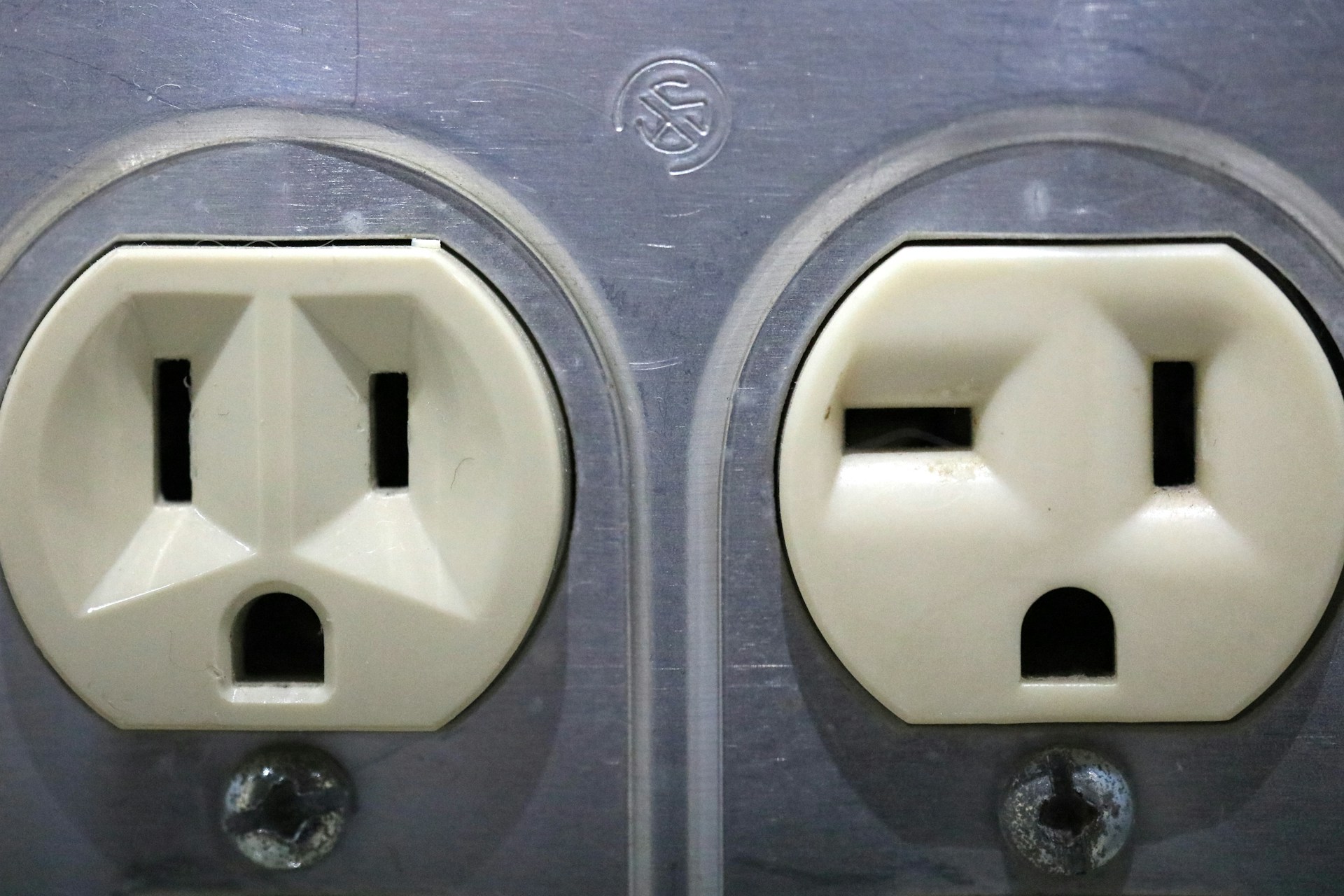
If you’ve ever noticed one outlet not working while the other half still has power, you’re not alone. It happened to me the other day, and it drove me nuts over the next few hours. How could one half suddenly stop working when I’d just recently used it to grind my morning coffee? This issue is actually fairly common in residential electrical systems.
Sometimes, it’s intentional — other times, it’s a minor wiring issue or a worn-out outlet. Understanding the possible causes can help you decide whether it’s a quick fix or something that requires professional attention. Here are some of the most common causes.
In many homes, outlets are intentionally wired so that the two receptacles function independently. These are called split or half-hot outlets.
Electricians often install them in bedrooms or living rooms so that one half of the outlet connects to a wall switch while the other half remains constantly powered. This setup allows you to plug in a lamp and control it with a switch across the room.
If the top of the outlet isn’t working, try flipping nearby wall switches. Sometimes, the solution is simply that the outlet is designed to turn on and off with a switch you may not have noticed.
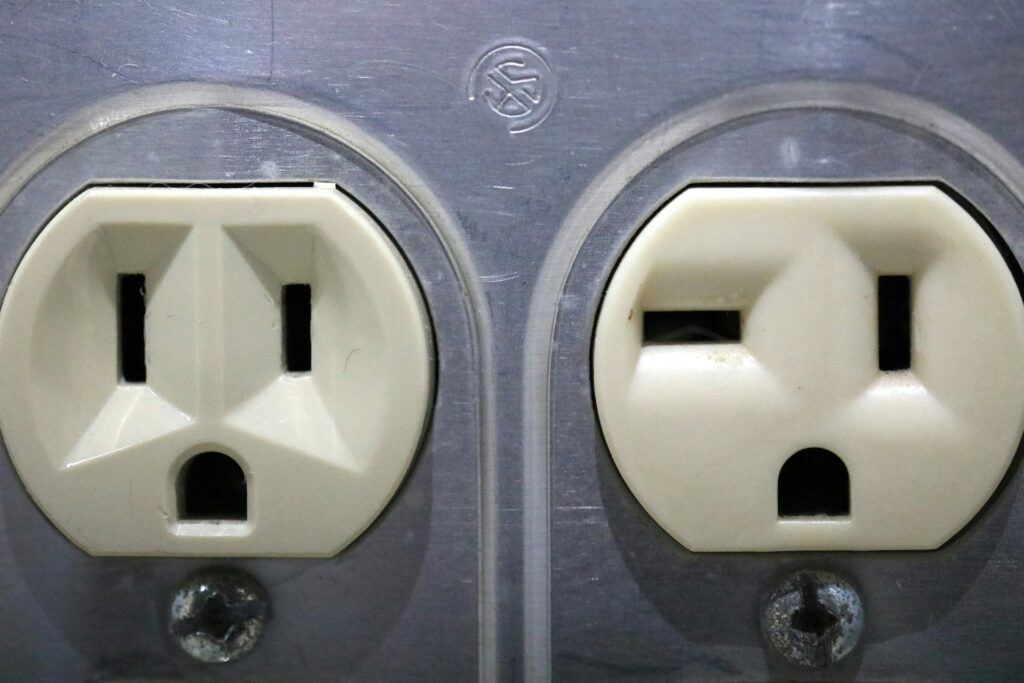
A GFCI is designed to shut off power when it detects an imbalance in the electrical current. This helps protect people from electrical shocks. Even if the outlet that stopped working wasn’t a GFCI outlet, it might still be connected to one elsewhere on the circuit.
Bathrooms, kitchens, garages, outdoor areas and laundry rooms often contain GFCI outlets that control others downstream. If one trips, it can cause one outlet not to work in another room. Pressing the reset button on the GFCI outlet might restore power immediately.
Electrical connections can loosen over time because of temperature changes, small movements in the wiring, or simple wear and tear. When a wire disconnects from one side of the receptacle, the other side may continue functioning normally.
Address loose wiring promptly. If you’re comfortable turning off the breaker and removing the outlet cover, the wiring connections can be inspected.
Otherwise, an electrician should handle the repair to ensure everything is safely secured. I opted to call one from the get-go, and this ended up being my problem. They were able to get the loose wire fixed a few hours later, and my once-dead outlet is back to its usual self.
Outlets don’t last forever. The internal contacts that hold plugs and deliver electricity can wear down after years of use. When this happens, one half of the outlet may stop working while the other continues to function.
This is common in older homes where outlets may have been in place for decades. Replacing a worn-out outlet is a straightforward repair, but it’s important to turn off the circuit breakers first.
Sometimes, the problem originates in the electrical panel. A circuit breaker might trip partially, or a shared circuit might lose power on one line. A worn switch can also result in a circuit breaker trip, causing a potential electrical hazard. This situation is less common but still possible.
Checking your breaker panel is a good step whenever you experience an outlet problem. If a breaker looks slightly out of position, switch it fully off and then back on again to reset it.
When only half of an outlet works, it can feel like an electrical mystery, but it’s usually caused by something fairly straightforward. The key is to check the simple possibilities first before assuming something more serious. However, if one outlet not working turns into a recurring issue or shows signs of overheating or sparking, bringing in a licensed electrician is always the safest move.