

We are reader-supported. When you buy through links on our site, we may earn an affiliate commission.
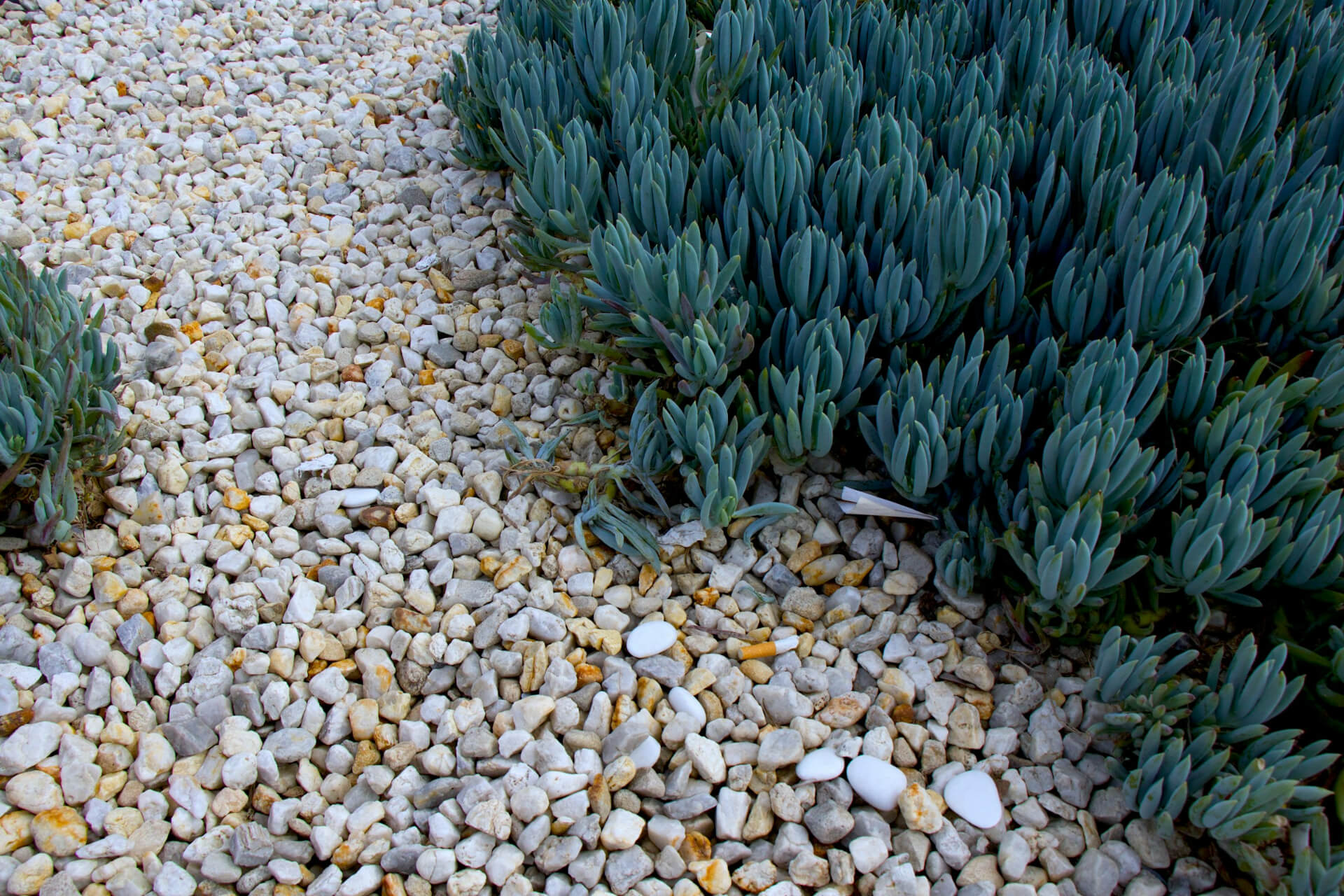
Gravel gardening is a landscaping style that uses stone as the primary ground cover, rather than grass or bark mulch. You combine granite with drought-tolerant plants to create a yard that looks polished, drains well and needs far less water than a traditional lawn.
If you want a low-maintenance yard that looks fantastic, rock landscaping checks every box. It works for homeowners, renters with patios, contractors building water-wise landscapes and real estate professionals preparing listings in drought-prone markets.
Discover the best stone choices, steps to install your own gravel beds and which plants to choose to enter spring in style this year.
A rock landscape replaces thirsty turf with pebbles and resilient plants. That shift brings real benefits, financially, visually and environmentally. In arid areas, such as California, half of your household water use goes to outdoor areas, including watering a non-native lawn. Removing your lawn may sound drastic, but it can save thousands of gallons of potable water annually. Water conservation alone makes choosing a stone alternative a smart move.
You’ll also save on mowing, fertilizing and irrigation costs. Large grassy patches require intensive care year-round to remove weeds, manage dead patches and treat compaction. Streamlined landscapes can save money and improve curb appeal.
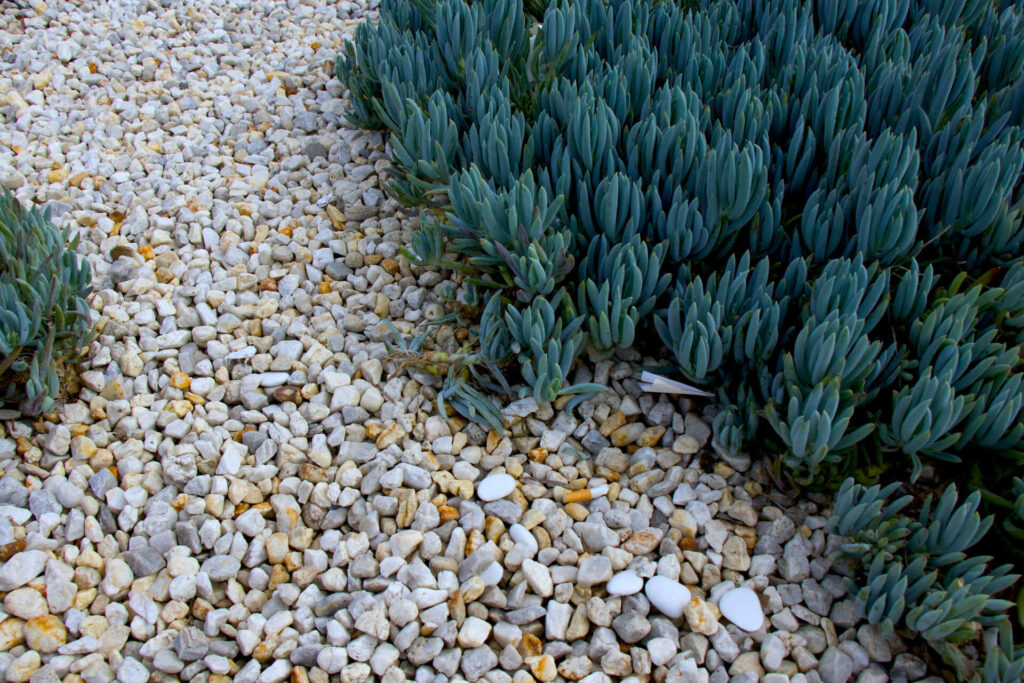
Using stone in your garden delivers much more than a modern aesthetic.
The benefits are extensive, including the following:
If you manage properties or build landscapes professionally, compressed aggregate gardens also install faster than sod and often require fewer long-term service calls.
Weeds are the biggest concern people raise about gardening with granite landscapes. A proper installation minimizes the risk and keeps the pebbles where they belong.
Remove existing grass, roots and organic debris. Dig down about 4-6 inches to create space for layers. Level the soil and compact it firmly.
Lay a high-quality, permeable landscape sheet across the entire area. Overlap the seams by several inches and secure with landscape pins. The fabric blocks most weeds while allowing water to drain through.
For large areas or where traffic is heavier, such as driveways or pathways, add a compacted base of crushed stone under the decorative rocks. Installing a mesh structure to hold pebbles in place also helps keep the fragments in place. This step improves the durability of pathways and seating areas.
With so many types of stone on the market, it’s about more than just aesthetics. Angular gravel — around ⅜ inch — locks together better than smooth pea gravel. It also stays in place and reduces shifting.
Aim for a depth of 2-3 inches of your decorative pebbles. Even with proper prep, occasional weeds may appear. The difference is the frequency and the amount of weeding you’ll need to do. A few sprouts are much better than managing an entire lawn.
Just look at all these mineral mulch types and sizes:
Stone pairs naturally with xeriscaping, a design approach focused on water conservation through native plant choices that are drought-tolerant and thrive with minimal irrigation. Using native plants instead of more exotic water-needy types can save 75% of your irrigation usage for an overall water-wise landscaping solution.
Consider these hardscape plants that prefer dry, well-drained conditions:
| Plant | Why It’s Ideal |
| Lavender | Fragrant, sun-loving and drought-tolerant. |
| Sedum | A hardy succulent that spreads easily. |
| Ornamental grasses | Blue fescue or feather reed grass adds movement and height. |
| Yarrow | Produces bright blooms and handles heat well. |
| Agave or yucca | Sculptural options for warm climates. |
| Russian sage | Adds height and silvery foliage that captures the last light at night. |
If you’re exploring stone use in your garden, consider how the space functions first. Then build around that purpose.
Use clean borders, a limited plant palette and neutral rock tones. Add architectural plants spaced intentionally for a contemporary look. While topiary looks terrific in designer magazines, it’s more maintenance and requires ground sheeting when pruning into shape.
A neat, structured approach appeals strongly in urban and suburban resale markets.
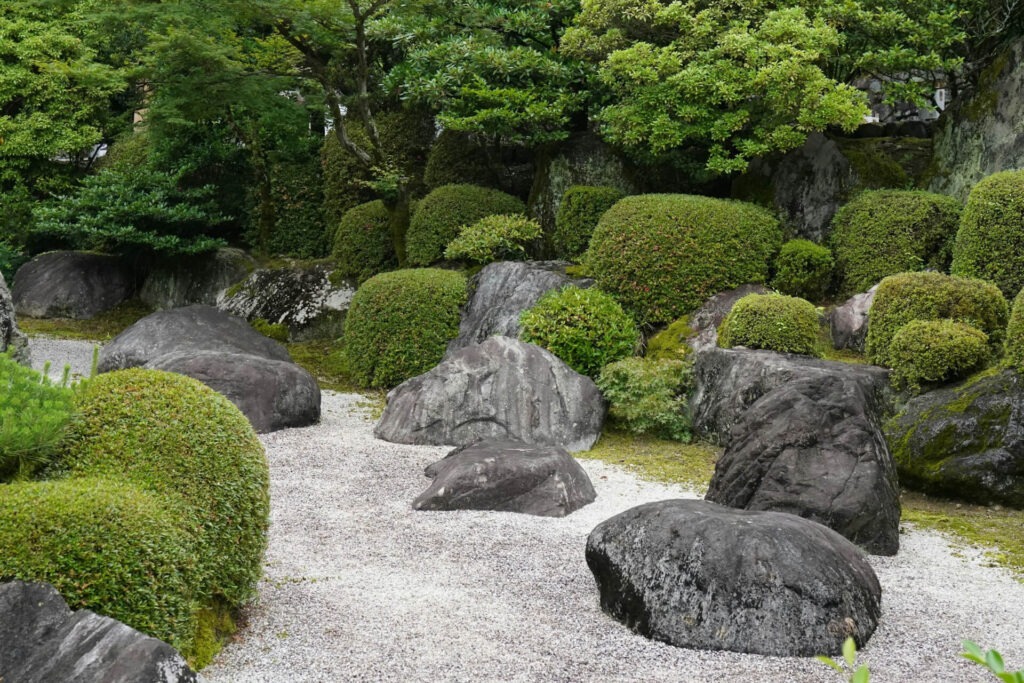
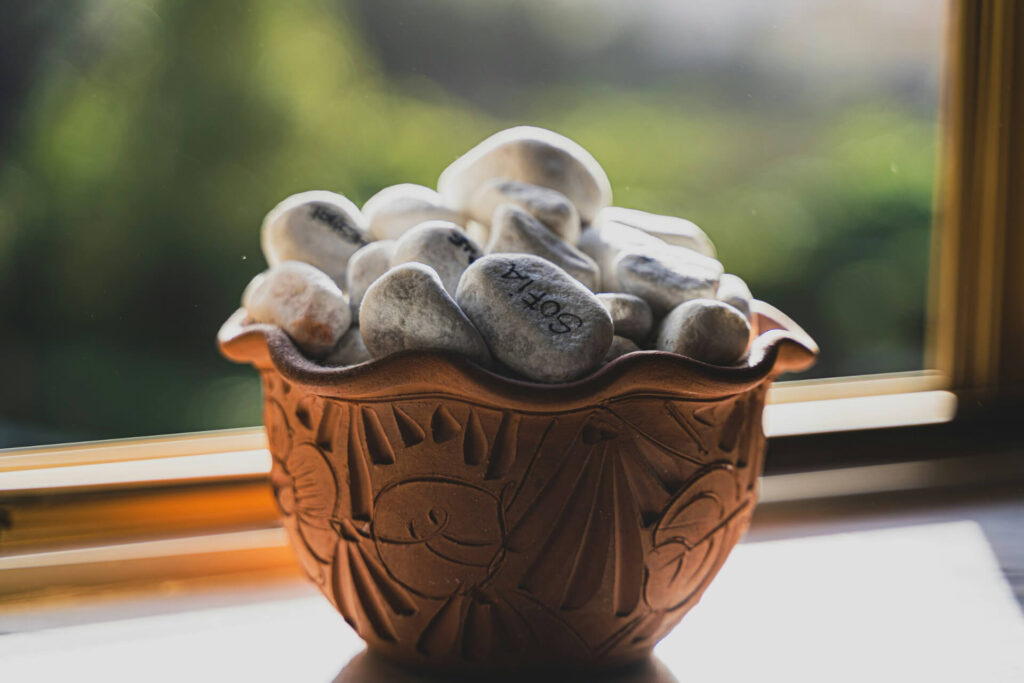
Incorporate terracotta planters, olive trees or rosemary for a warm, relaxed feel. Adapt gravel garden ideas by using pots in smaller spaces and rental properties. You can think of it like mini landscapes, and you can use it to overlay courtyards, much like zen gardens.
Replace a traditional walkway with a defined path edged in pavers. It adds texture and improves water flow. Create visual interest by placing pebbles in decorative arrangements of various sizes or colors.
Use compacted crushed stone to extend outdoor seating areas. This creates a permeable surface that costs less than poured concrete, and it’s more environmentally friendly, too.
When renting, you can still line large pots or raised beds with crushed granite for drainage and top these with decorative pebbles. You get the look of a granite garden without altering the property.
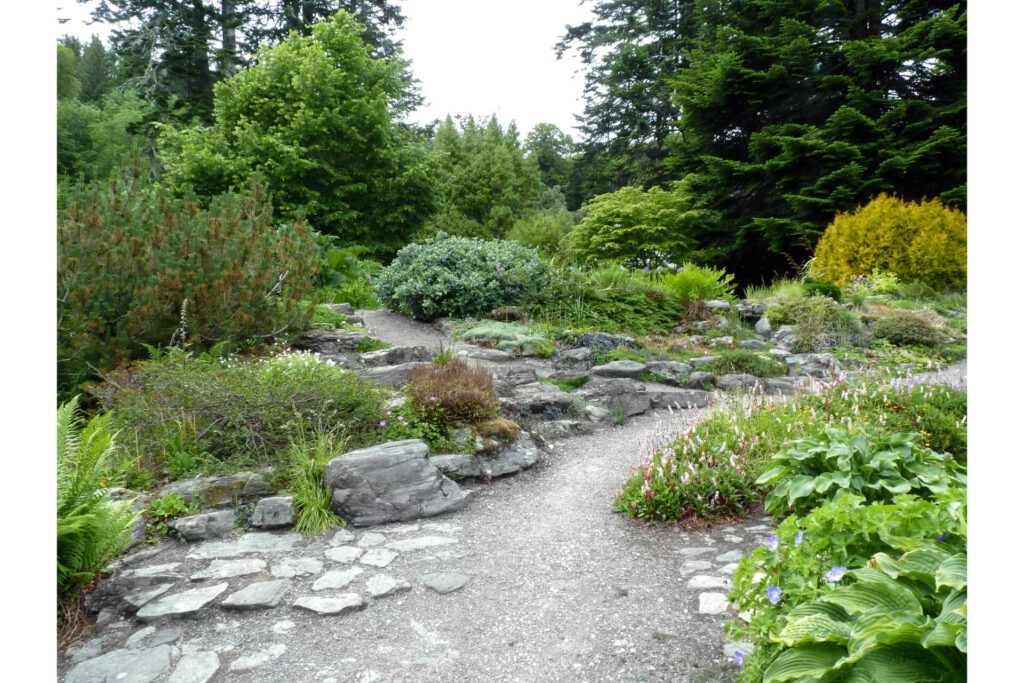
Stone yards require maintenance, just not the constant type a lawn needs.
You should do the following to keep the rock landscape looking pristine:
It’s when you replace grass with gravel or stone and drought-tolerant plants. The pebbles act as mulch and ground cover, reducing water use and maintenance.
Stone absorbs heat, and in hot climates, you should combine it with plants that provide shade or use lighter-colored fragments to reduce surface temperature. It may increase your overall yard temperature if there is insufficient shade.
Water-wise landscaping appeals to buyers in regions with frequent water restrictions. Clean, structured designs often enhance curb appeal.
Gravel gardening is a practical solution for modern landscapes. You’ll save water, cut back on weekly maintenance and create a space that looks intentional year-round.
Stone landscaping delivers functional style to homeowners refreshing curb appeal, renters designing a patio retreat or contractors building sustainable outdoor spaces. With the correct prep and plant selection, you can start this spring with a yard that gives you more time back, without sacrificing design.