

We are reader-supported. When you buy through links on our site, we may earn an affiliate commission.
Behind the image of a perfect yard are hours and hours of effortful chores such as mowing, watering and weeding. You don’t need to choose between front yard curb appeal and free time. In fact, there are low-maintenance landscaping strategies that you can easily do to enhance the beauty of the space and conserve natural resources. The increase in your property’s value is an added bonus.
Discover actionable strategies and proven design principles that can help you achieve a stunning landscape without a tremendous amount of effort.
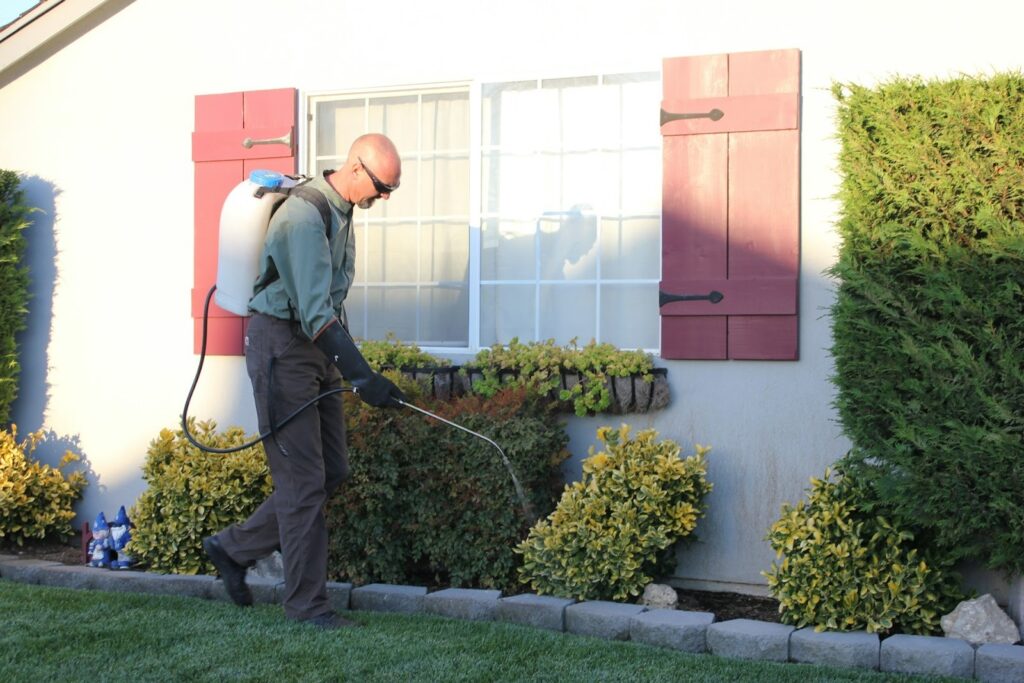
A well-designed landscape and front-yard curb appeal are well worth the investment. They do not depreciate over time and can be a cost-effective way to increase a home’s value and marketability. To create a low-maintenance yard, prioritize native plants and reduce lawn space. This change can drastically decrease your water consumption and fertilizer needs.
The biggest value of these yards is reducing the yard work needed to maintain their appearance. After all, native plants are adaptable to the local ecosystem and climate. You can use the saved time to spend with family and relax and enjoy your outdoor living space, rather than seeing it as a source of labor.
The results of these low-effort landscapes can be truly transformative. Guests may experience a ‘wow’ factor in your curb appeal, especially with lush greenery that thrives even in extreme temperatures. They are also smart financial moves, as real estate agents may price your house higher. A well-maintained lawn can signal to potential buyers or renters that your house is in a similarly well-maintained condition.
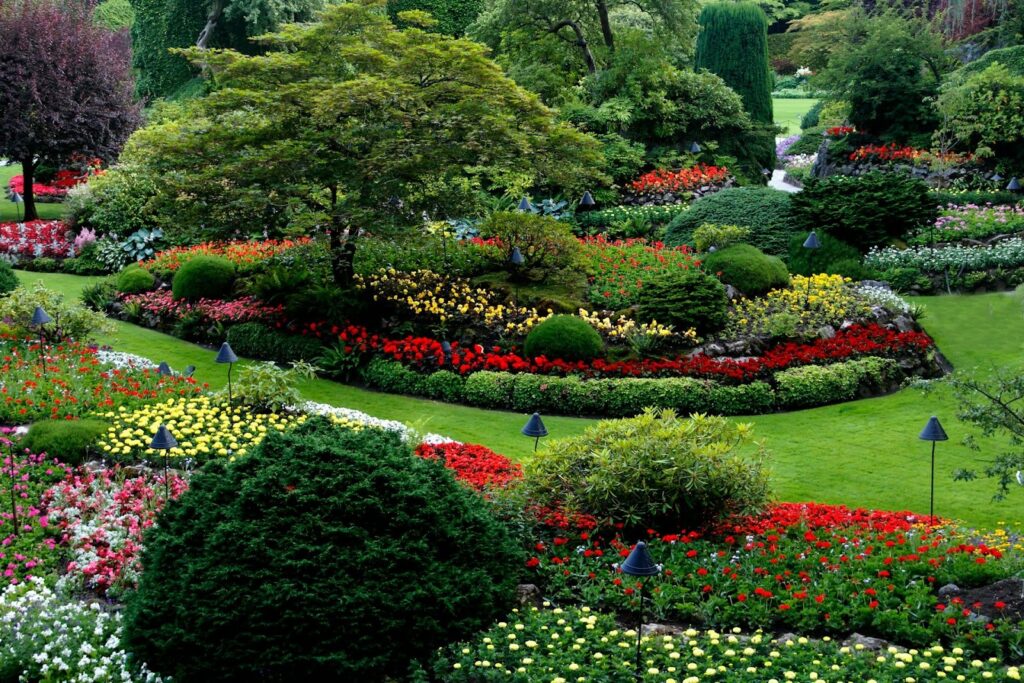
The most critical choice for a low-effort yard is the plants you choose. Choose native plants because they are a more sustainable option, well-suited to the environment and thrives with minimal intervention. You will significantly reduce the time spent catering to your plants’ water, fertilizer and pest control needs. Additionally, native plants provide nutrition and shelter for local pollinators such as bees and butterflies. You can have a significant positive impact on your local micro-ecosystem.
Another high-impact effort you can do is being strategic with hardscaping elements. Proper placement of patios, decks, walkways and retaining walls can boost your yard’s functionality and reduce maintenance effort. For example, a well-placed gravel or paver patio creates a seating area for your family and guests and reduces mowing efforts. Permeable materials allow rainwater to seep into the ground and reduce runoff.
A traditional monoculture turfgrass lawn is a resource-intensive element. Try reducing or replacing it with alternatives such as freedom lawns or groundcovers like creeping thyme. These are typically drought-tolerant and can reduce the need for frequent mowing.
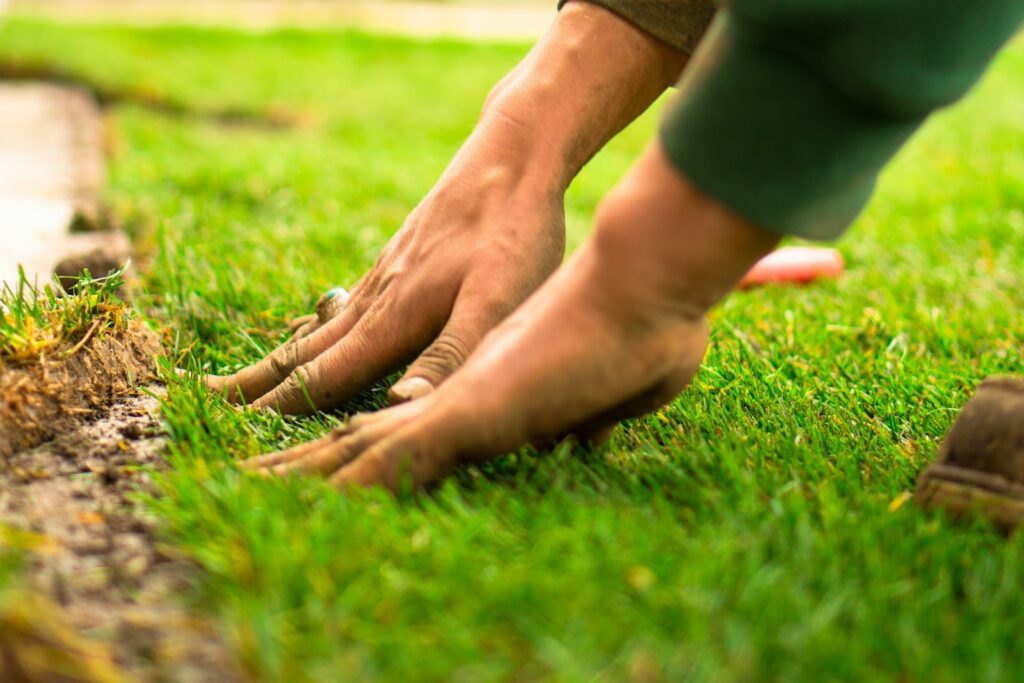
Here are some easy projects you can implement right away to improve your yard’s appearance.
By using this system, you can significantly cut your water usage as a network of tubes delivers water directly to the plants’ bases. It minimizes evaporation and is much more efficient than using sprinklers.
Adding a 2-3-inch-thick layer of organic mulch, such as wood chips or shredded bark, provides many benefits to your plants. They block sunlight to prevent weed germination, retain soil moisture to reduce watering frequency, and add valuable organic matter to the soil as it breaks down over time.
Annuals can add color to your yard, but they need to be replanted each year and only provide a single season of color. On the other hand, perennials live for two or more years and bloom each spring. Perennials like coneflowers, hostas and daylilies can provide you with years of enjoyment and beauty.
Make sure that you place plants with high water needs together and those that prefer drier soil. This makes your watering chore more efficient and less time-consuming. No plant is over-watered or under-watered.
Renters can use containers to create a controlled gardening environment. Self-watering planters can add a splash of color to the area. You can even add a small herb garden as it requires little soil preparation and weeding. You can harvest herbs and use them to flavor your cooking.
Trellises, arbors or wall-mounted planters can be added to your yard to support vines and climbing plants. This adds texture and a lush, green element without taking valuable ground space. This is a great option for those with narrow side yards or patios.
Remember that your landscape should act as an extension of your home and not just as an afterthought. When doing an exterior paint job or adding a new deck, always consider how landscape design can complement these home elements. Stone patios should use materials that harmonize with your home’s foundation or siding.
Walkways can be planted with heat-tolerant plants such as honeysuckle to instantly improve curb appeal. It leaves a fragrant aroma that gives a lasting impression on your guests when they walk into your home.
Creating a beautiful and low-maintenance landscape goes beyond finding shortcuts or compromising on its aesthetics. It is the result of a thoughtful design process where nature does all the heavy lifting. When you choose native plants and incorporate hardscaping, you are reducing the maintenance efforts that you need to make the yard beautiful. Freedom lawns and creeping thyme can also be a great way to reduce resource use, such as water.
Your low-effort maintenance journey can begin today. Replace a high-maintenance plant with a native perennial or do something as simple as adding a layer of mulch to your garden bed. These efforts add up and lead to a significant transformation. Up-front yard work and investments ensure your yard stays lush year-round. You can reclaim time on your weekends so you can enjoy the outdoor space with friends and family.