

We are reader-supported. When you buy through links on our site, we may earn an affiliate commission.
Home security often focuses on alarms, locks and cameras. However, yard design plays an underrated role in deterring burglars. Inspired by the principles of Crime Prevention Through Environmental Design (CPTED), security landscaping uses plants, layout, lighting and visibility to make a property less attractive to criminals while still maintaining an appealing outdoor space. Here are practical tips for maximizing vegetation to keep criminals at bay without decreasing curb appeal.

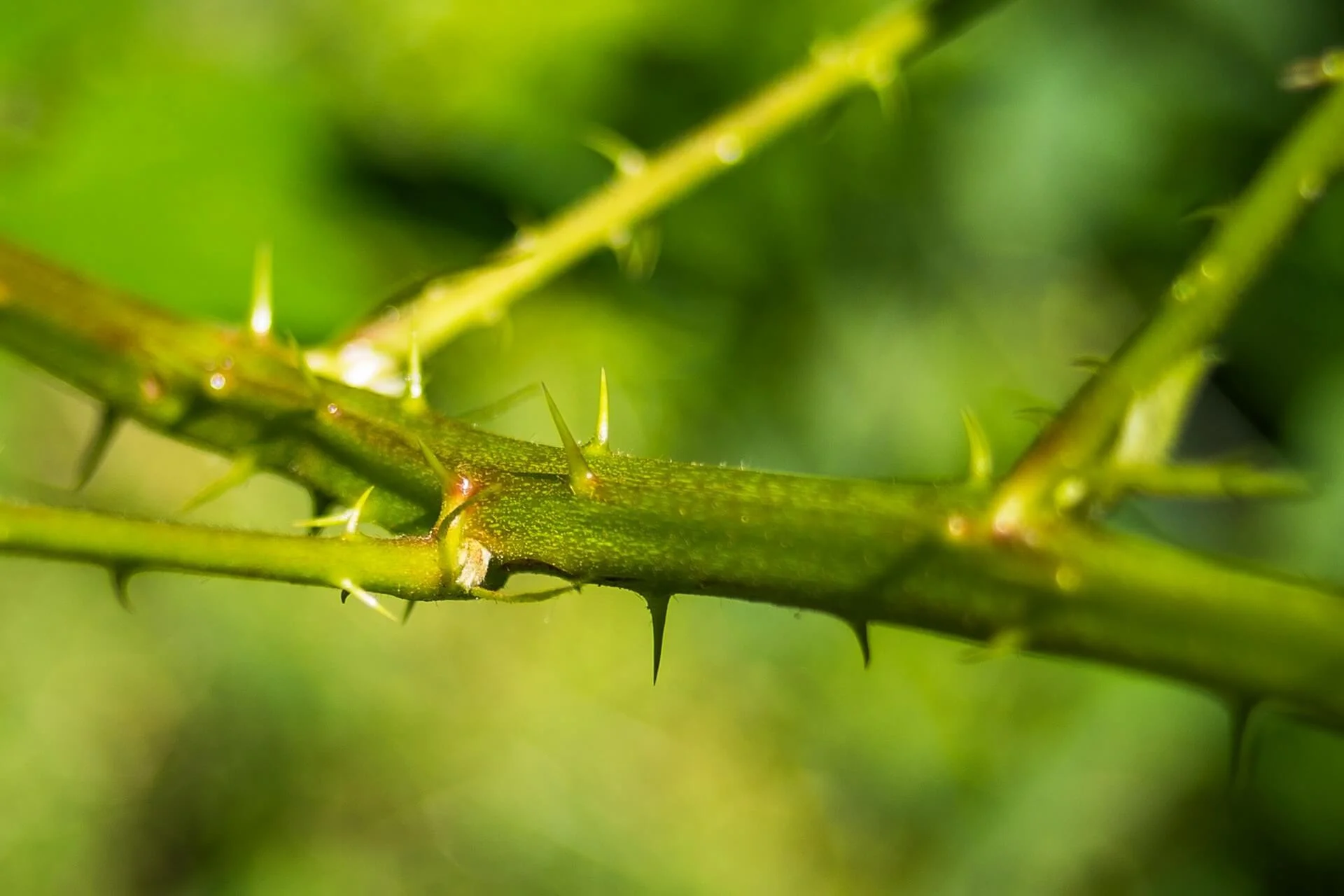
One of the simplest ways to deter intruders is to plant thorny or spiky vegetation near areas where burglars might try to gain entry. These plants create a natural barrier that is painful and difficult to push through.
Agave, barberry, bougainvillea, crown of thorns, firethorn, holly, prickly pear cactus and rose are the most common defensive plants used for home security. These plants can have dense growth, grow sharp spikes or do both. For instance, the firethorn has true thorns that can puncture human skin and cause severe pain. These shrubs and bushes should discourage anyone from getting too close to windows, fences and gates.
A classic security strategy is planting thorn bushes directly beneath ground-floor windows. It makes it uncomfortable and risky for anyone trying to access your house from that location. In many cases, burglars will simply look for an easier target rather than struggle through a bristly barrier.

Defensive hedges can serve as a living, impregnable fence because of their density and thorns. Fast-growing prickly hedges can create a lush, thick wall of vegetation that looks gorgeous from afar and is injurious up close.
Popular hedge plants for security landscaping include barberry, hawthorn, holly and pyracantha. Some varieties of barberry, in particular, grow quickly and form dense thickets with sharp spines, making them effective boundary plants.
A spiky hedge works best when planted along property lines or fences, forcing anyone entering the yard to use obvious access points, such as the driveway or front gate. It promotes natural access control, in which the landscape subtly guides people to appropriate entry points.
Some hedge plants have insulating properties too. If you live where noise pollution is a concern, barricading your property with holly should allow you not only to enjoy more quiet inside and but also to hear burglars more easily when they make a sound.

While dense plants can deter intruders, overgrown landscaping can also create hiding places. Natural surveillance keeps areas visible to neighbors, pedestrians and home occupants. To maintain good visibility:
Security experts often recommend keeping shrubs near windows under about three feet tall so that potential intruders cannot hide behind them.
An open, well-maintained yard signals that the property is actively cared for and observed, which reduces its appeal as a target.

Burglars prefer areas where they can work without being seen. Landscaping that creates secluded corners or dense cover can unintentionally provide the perfect hiding place. To reduce concealment areas:
Large plants may look attractive, but if they block visibility or create secluded pockets of space, they can undermine your home’s security. Instead, choose plants that enhance visibility while still defining the property’s boundaries.
Burglars often rely on stealth, so anything that makes noise when stepped on can act as a deterrent.
One simple landscaping tactic is to place gravel, decorative stones, or loose rock near windows and pathways. These materials produce a loud crunch when walked on, making it harder for someone to approach quietly. Areas where noisy ground cover can be especially effective include:
This technique works well when combined with lighting or clear sight lines, ensuring that any movement draws attention.

Plants and landscaping features can create shadows at night, which may provide cover for intruders. Strategic lighting helps eliminate these dark areas. Consider installing:
Not only does lighting that highlights landscaping improve the look of your yard, but it also eliminates potential hiding spots and alerts homeowners to movement. When combined with defensive plants and open sight lines, lighting reinforces the idea that the property is well monitored.
Integrating defensive plants with physical home security structures works wonders. This approach reinforces territorial reinforcement, where landscaping clearly signals that a space is private and protected.
Growing defensive plants along your fences and trellises should make intruders who break in regret it. Barberry, pyracantha, roses and other spinous climbers can make fences significantly harder to climb and gates less accessible while still adding visual appeal to the yard. Planting dense shrubs inside property lines also works.
While defensive plants and dense hedges can enhance home security, they should never impede emergency access or escape routes. Ensure that the:
The goal of security landscaping is deterrence, not creating hazards for you, your loved ones and guests.
Reimagining your landscape design for security is another reason to make your yard green. Put considerable thought into what to grow and maximize defensive plants to sow the seeds of fear and discomfort in the malicious characters prowling your property and to sleep well at night.

Here are the answers to common questions about security landscaping.
CPTED is a crime prevention approach based on shaping the built environment. When applied to landscaping, this concept can turn yards into fortresses that effectively dishearten trespassers and punish intruders.
The seven principles of CPTED are natural surveillance, natural access control, territorial reinforcement, maintenance, activity support, target hardening and geographical juxtaposition. The first four are the core principles security professionals abide by to psychologically trick anyone with malice into not committing a crime.
Security landscape designers draw inspiration from them to create layers of defense against burglary, turning properties into risky targets and deterring potential criminals from breaking in.
Holly is one of the most popular defensive plants used in home security landscaping. Its dense, prickly foliage creates impenetrable evergreen hedges that beautifully delineate your property’s boundaries while signaling to the world that you take home security seriously.