

We are reader-supported. When you buy through links on our site, we may earn an affiliate commission.
Architecture has evolved dramatically over the last 100 years. Depending on where you’re looking to live, you can find homes and businesses that date back centuries. Unfortunately, many antique homes used construction materials — such as lead and asbestos — that we know today to be unsafe.
That shouldn’t discourage you from investing in a piece of historic architecture. Read on to find out why lead paint was so popular, why it is a health risk, how to identify it and what to do if you find it in your home.
Lead as a paint additive dates back to the 4th century BC. Ancient Greek authors like Theophrastus and Pliny the Elder wrote about the creation of a substance known as lead white. Lead was a popular additive to paints for centuries because it reduced drying time and made it more durable and moisture-resistant.
Contractors stopped using lead paint in the United States when the federal government banned it in 1978. However, an estimated 35% of American houses still contain it. The highest concentration areas are the Northeast and Midwest regions, with older urban centers like Chicago, Buffalo, NY, St. Louis, MO and New York City particularly likely to have affected housing stock.
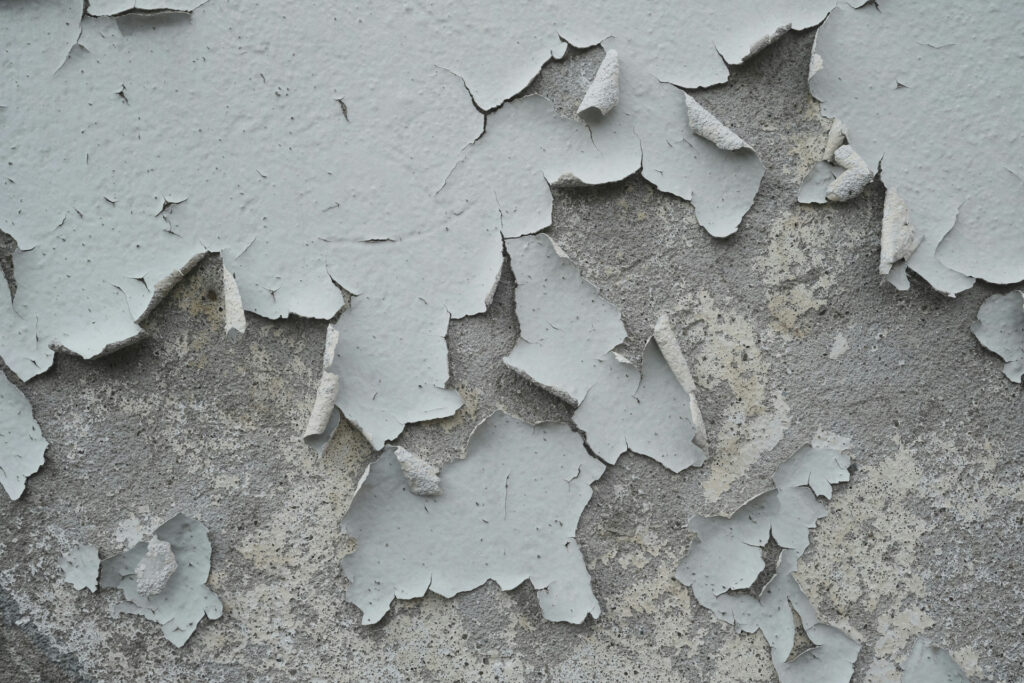
Why do you need to worry about lead paint in your new home? Lead paint can be incredibly durable, which was part of its appeal, but once it starts to break down, it releases lead dust into the atmosphere. In high concentrations, lead is dangerous to both children and adults, with kids under six years old being at highest risk.
Children can be severely harmed by lead poisoning, even at low levels. When children are exposed to lead, it can cause damage to the brain and nervous system as well as slowed growth. Learning and behavioral problems can develop, as can hearing and speech problems.
Lead paint and children are a truly toxic mix because, in a cruel twist, lead actually tastes sweet. For little ones who explore the world with their hands and mouths, this can easily lead to children chewing on lead paint chips and flakes — sometimes, you will even see lead paint with teethmarks in it from a previous generation.
Kids can also breathe in the dust and be harmed that way — so keep them well away from any lead paint peeling spots.
In adults, the primary source of exposure is dust from peeling lead paint. Exposure can cause headaches, anemia, personality changes, loss of sex drive and infertility. In pregnant women, it can increase the risk of miscarriage or preterm birth.
That said, if there is lead paint in your home, it generally doesn’t present a health risk — but most families would still prefer to get rid of it. If the paint is cracking and peeling, you will definitely need to take steps to protect yourself and your family from lead poisoning. The first step is to check whether your home actually contains any lead paint.
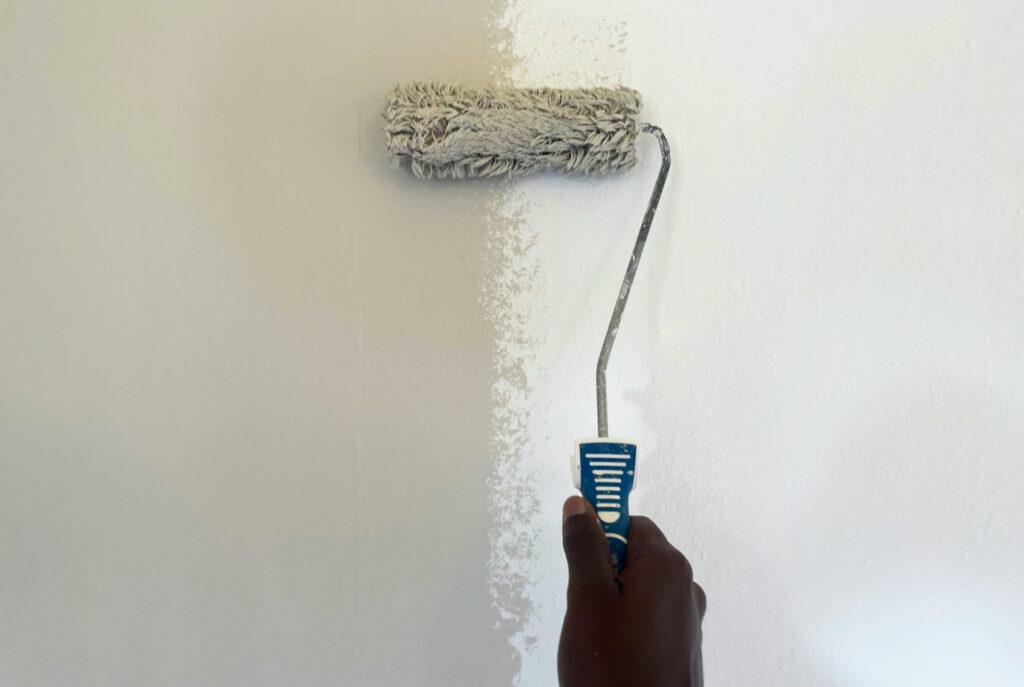
You can check visually to begin with. Lead paint peeling is often the most obvious sign of its presence. Look for flaking, chipping or cracking, often in an alligator skin type pattern. Bubbling paint is also suspicious.
Lead paint may be anywhere, but it’s especially dangerous if it’s in high-friction or high-impact areas where it can generate dangerous lead dust. Check:
If you identify something suspicious, you can either book a professional inspection or you can purchase an at-home DIY test kit. These kits use a swab that changes color when moistened and rubbed against lead. Check that the test you are using is EPA-recognized.
A professional lead inspector will use X-rays to determine the lead signature in your home. This is the most reliable way to know for sure what you are dealing with. While waiting for an inspection, do not disturb the suspected lead paint and children must be kept away from it at all times.
If you’re purchasing a home built before 1978, it’s essential to understand your rights when it comes to lead paint. By law, for any building that meets these criteria, real estate agents must provide you with the following:
The rules are the same for landlords and tenants, though they don’t have to provide an inspection window like you do for homebuyers. As a renter, you can request that your landlord have the property inspected for lead paint before you sign any paperwork.
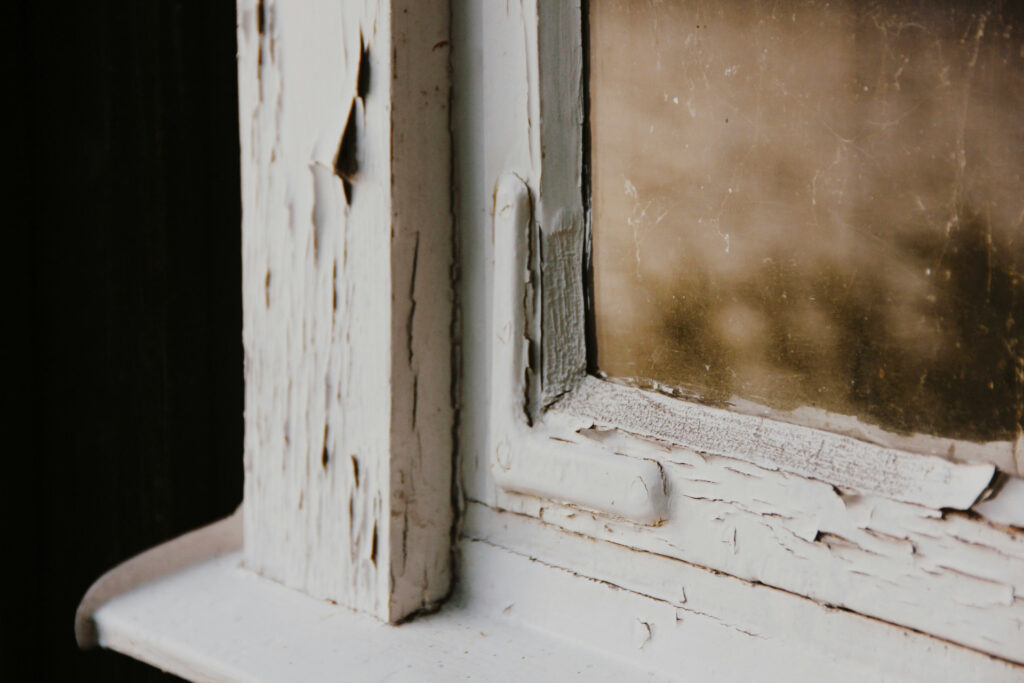
If you do find lead paint, you have two main options — either encapsulate it or have it professionally removed.
If you love the look of the antique architecture in your home, stripping it to bare walls to get rid of every chip of lead paint is probably the last thing on your mind. In addition to being expensive, it releases massive amounts of lead dust into the air. Encapsulants are materials that are applied over lead paint to seal it and prevent dust.
It’s essential to note that ordinary paint is not an encapsulant — simply painting over it will not prevent the lead paint peeling and therefore will not eliminate the risk. Not all surfaces are suitable for encapsulation. If the area with lead paint is a high-friction surface, such as window or door jambs or stops, floors or stair treads, encapsulation will not work.
Before you start encapsulation, you must first stabilize the area you’re going to cover. If you don’t, the encapsulant will not stick properly. Here’s a quick guide on how to do that:
In some situations, especially when encapsulation isn’t sufficient to prevent lead paint chips or dust from escaping, removing the contaminated paint will be your only option. Removing lead paint isn’t something that you can tackle as a DIY project. You need to call a professional contractor because they need to seal the lead to keep the dust from spreading.
Trying to remove lead paint yourself without professional equipment can leave you at risk for toxic lead exposure. If you’re unsure where to start, consider calling the EPA’s National Lead Information Center to gather information and decide on the best course of action.
If you are worried about lead paint, you may have some questions. These are some of the most commonly asked:
Yes. Peeling paint releases lead dust and should be addressed immediately.
Lead paint and children is a major concern. Follow the advice above to identify any lead paint in your home and then deal with it swiftly. Keep children well away from any suspect areas until the lead has been encapsulated or removed.
This is strongly discouraged due to the inherent health risks. Call a professional.
The average cost for lead paint removal in 2025 varies greatly, depending on the size of the project. Expect to pay an average of around $3,499 or more if many areas need treating. Get several estimates before choosing a contractor.
If you find yourself moving into a house with lead paint, there are plenty of things you can do to reduce your risk. If the paint is in good shape, it doesn’t necessarily represent a health risk. It’s paint chips, lead paint peeling and dust you need to be on the lookout for. Lead paint and children are a real health hazard so encapsulation or removal are your best options — but don’t try to remove it on your own.
Originally published on 8/7/2020 — Updated 9/1/2025