

We are reader-supported. When you buy through links on our site, we may earn an affiliate commission.
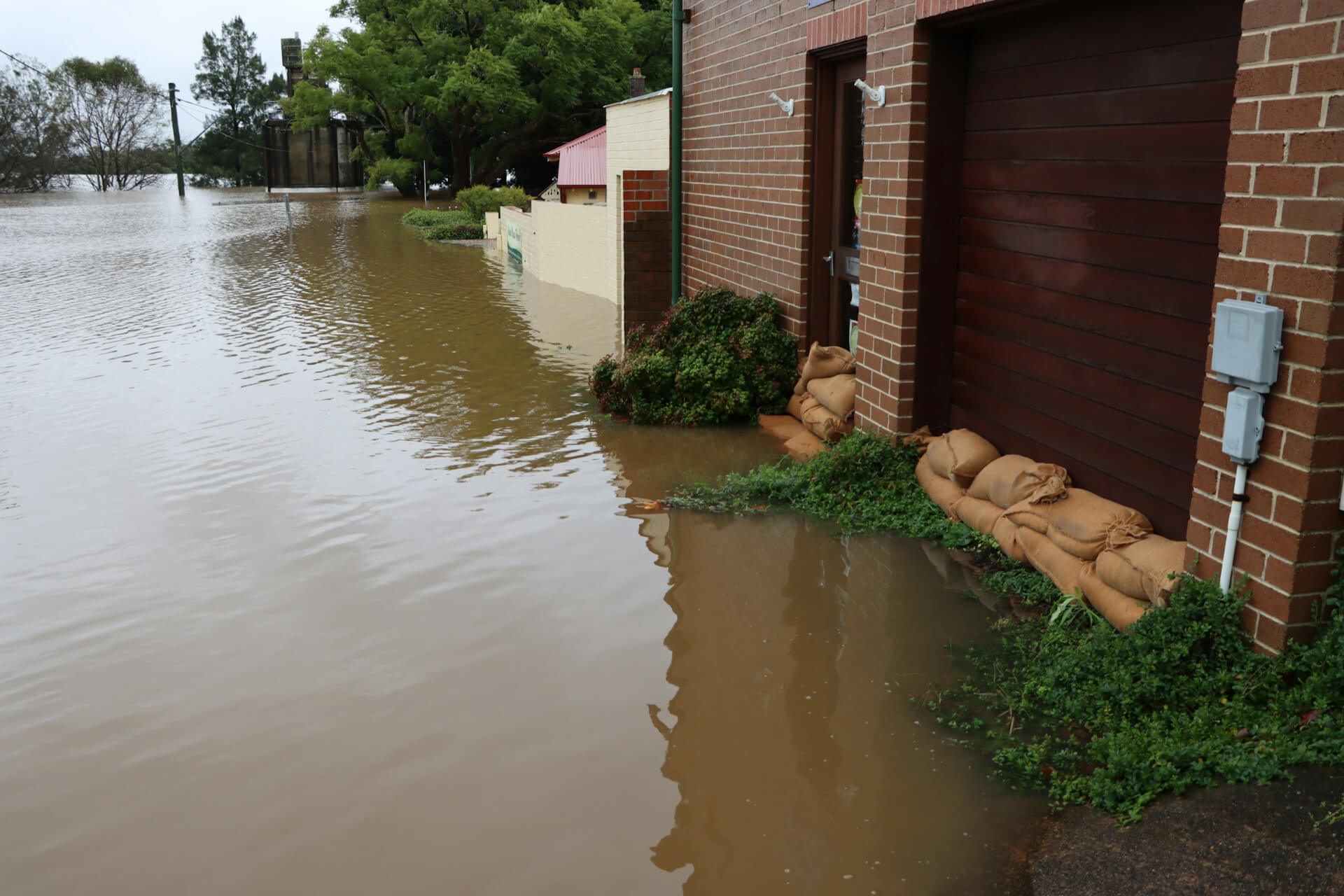
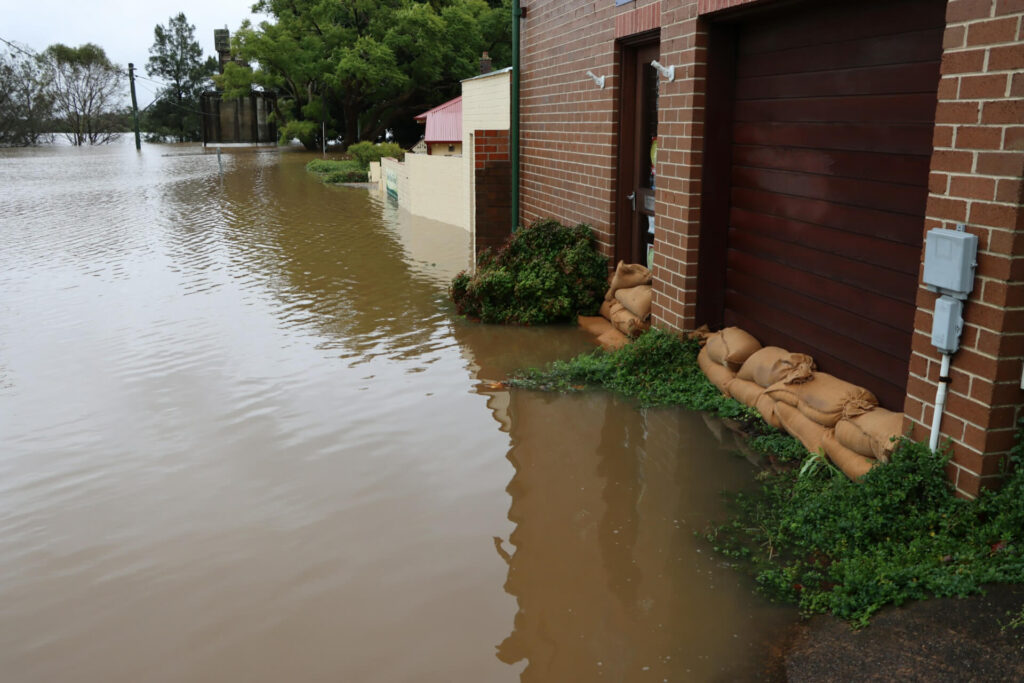
A few years ago, a neighbor told me she had “never been flooded before.” Then a stalled summer storm parked over our town for 48 hours. Soon, water crept across her patio, pressed against the back door and found a seam no one had noticed before. By morning, her hardwood floors had buckled.
That’s how flooding works. It doesn’t ask whether your house took a swim last year. It tests the weak points until it leaves you in frustrated tears, especially when you are unprepared.
If you’re thinking about flood barriers for doors, you’re already ahead. The right shield, installed before the rains hit, can keep thousands of dollars in damage outside where it belongs.
Learn how to assess your risk, what FEMA recommends as precautionary measures, which blockade types work best and which products are worth your time and money.
Before buying anything, walk your property during and after a heavy rainstorm. Watch where the overflow moves.
Pay attention to the following:
FEMA offers several guides that cover every aspect of flooding, including roof structures, foundations and more. Its definitive guide recommends knowing your property, assessing your potential risk, insuring accordingly and taking steps to minimize damage. Even an inch of ingress damage inside your home can amount to over $25,000 in costly damages that may not always be covered by insurance, especially if you didn’t take adequate preventive measures.
Adding a few defense systems and strategically preparing your property isn’t overkill — it’s prevention — and when the rainwater stays safely outside, you’ll be grateful you made the investment.

Homeowners should use a layered approach that lets them elevate utilities where possible to prevent electrocution risk, seal foundation cracks, install backflow valves on pipes and use temporary or permanent shields at entry points. Redirecting stormwater away from structures and creating channels from potential sources, such as downpipes and drains, is another smart approach.
Flood barriers for residential homes fit into that strategy. These additions protect the most vulnerable entry points, such as garage doors and sliding glass doors, from prolonged rain-induced damage. Stoppers work best when paired with other measures, such as strategically grading the terrain away from homes and improving drainage to eliminate blocked gutters.
You’ll see several categories on the market. Each has strengths and limitations.
These rigid panel mounts across a doorway and compress against the frame to form a watertight seal.
| Pros | Cons |
| Strong, reusable Clean installation Good for repeated seasonal use |
Higher upfront cost Requires precise sizing |

These expand when exposed to moisture and form a dam at the threshold.
| Pros | Cons |
| Easy to deploy Lightweight storage Affordable |
Limited height protection Best for minor flooding |
These tubes are filled with water to create a flexible wall that diverts it away from the door. A popular example is the tubes that local municipalities install next to channels when flooding is expected to help contain surges in rivers or levees.
| Pros | Cons |
| Adaptable to uneven surfaces Cover wider areas Reusable |
Require filling time Need storage space |
Contractors often recommend combining rigid shields at doors with inflatable tubes along driveways for broader protection. Adding sump pumps to basements so foundations are protected from seepage, which is when water enters through minor cracks.
Whether you’re protecting a regular doorway or a garage door, the right solution keeps runoff outside and resists the force of rising levels.
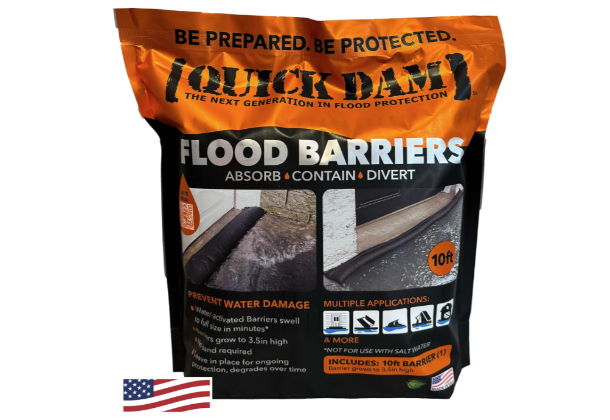
Quick Dam bags expand on contact with moisture and stack easily in doorways. It activates without you needing to add sand, making it an ideal emergency solution. It offers lightweight storage until needed. It’s suitable for minor flooding. These work well for renters or homeowners who want something fast and simple. They’re not designed for high water levels, though they create a practical first line of defense.
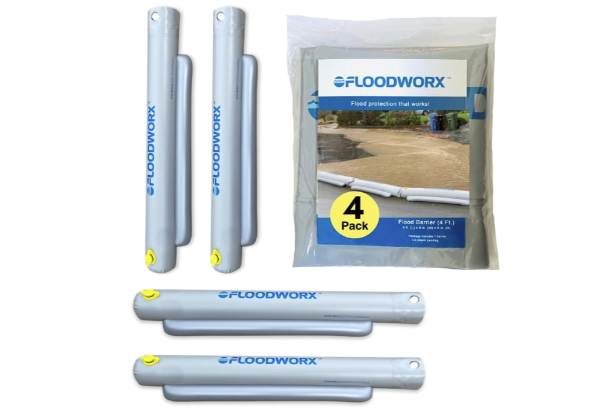
Using water to stop itself is an innovative way to protect your property. These tubes are refillable, and you can join several to create an effective shield against ingress. Simply fill with the hosepipe fitting and lay them out in the relevant areas before doorways and garage doors. The tubes are also an effective way to redirect flow away from your home.
Because there’s no messy sand or chemical waste after use, it’s also an eco-friendly solution.
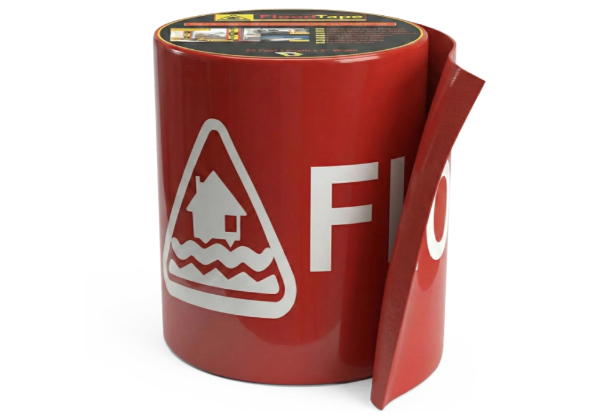
The double-sided tape is ideal for keeping water out of doorways and windows, thanks to its dual-sided adhesive. It leaves no damage after use. The durable tape stays in place during immersion, and even strong winds won’t break the seal.
One roll is sufficient for two doorways or a garage door opening, ensuring seepage, ice melt and poor drainage leave homes untouched.
The Door Dam panel is expandable and protects up to 28 inches deep, making it a more resilient option during heavy rainfall. The fins of the panel inflate, creating sufficient pressure to keep water out.
The Easy Dam installs in as little as five minutes, making it a quick and practical solution.
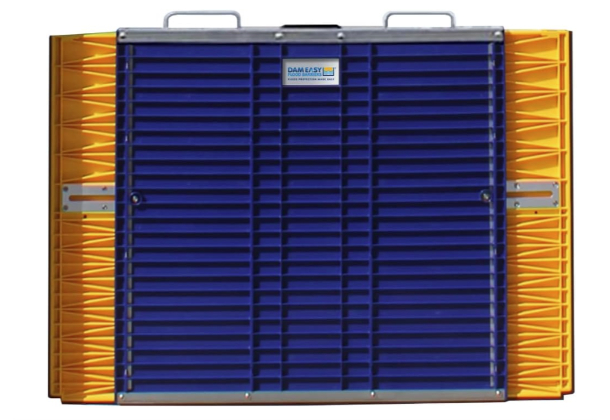
This heavy-duty option is more permanent, making it ideal for low-lying doorways or areas prone to frequent surges. The siding is fixed to the walls on either side of the doorway, with a sliding aluminum panel system that provides a sealed secondary wall to protect your doorways against floodwater up to 31.5 inches deep.

If you have an area where water accumulates rapidly and deeply, these pop-up stoppers are ideal for creating a dam that contains and redirects it away from structures like your garage. The L-shaped, thickened ABS covers are reusable and install quickly. It’s an effective way to keep rainwater from entering through your driveway gate or to contain the runoff from a terrace or roof slope.
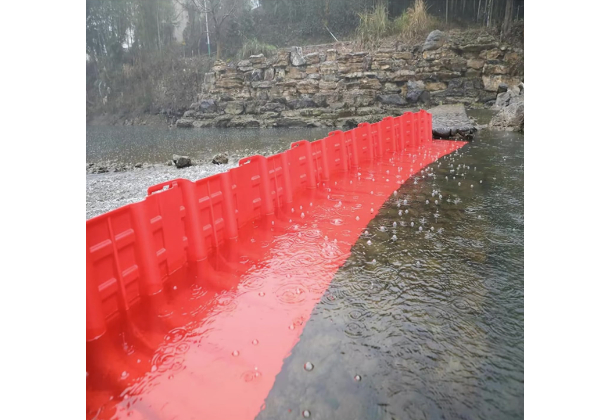
Commercial options offer reliability, though you can build temporary protection ahead of storm season. Sandbags remain effective, though they require labor and correct disposal. Store sand and empty bags before hurricane season so you’re not scrambling at the last minute.
Other options include:
While commercial products can keep water out, your yard’s landscape redirects it.
Consider:
By ensuring less water reaches your door, you may not need to install commercial shields at all.

While surge barriers reduce risk, they don’t make a home invincible. Local officials issue evacuation orders based on projected overflow levels, dam releases and storm surges. If your area receives an evacuation order, you must leave.
By remaining in your home past an evacuation order’s deadline, you endanger rescuers and risk your life. Commercial shields may help limit property damage, but you shouldn’t bet your life on them.
Choose a height that exceeds your projected flood depth. Many residential options range from a few inches to several feet. Local floodplain maps provide some guidance on what to expect in your area.
Yes, most fillable safeguards can be reused after proper cleaning and drying. Ensure that these are stored correctly to prevent rats from chewing holes that will render them unusable.
Properly installed removable shields compress against the frame without permanent damage. Follow manufacturer guidelines for sizing and installation requirements.
Storm patterns are shifting across the U.S., with Areas that rarely faced inundation in the past now experiencing heavier rainfall. My neighbor realized this the hard way, but you shouldn’t have to.
Flood barriers for doors give you control during unpredictable seasons. Pair them with smart landscape grading, seal vulnerable entry points and keep evacuation plans ready. Preparation feels quiet and peaceful on dry days, but it pays off when the rain doesn’t stop.