

We are reader-supported. When you buy through links on our site, we may earn an affiliate commission.
It can be hard to know how to paint small or awkward rooms. The general advice is to use light colors, but that’s not always the answer. Paint ideas for small rooms depend on what you are trying to achieve, because strategic use of color and technique can manipulate the perception of space. Before you automatically reach for the white, discover how painting small rooms can be a fun and satisfying project.
Before you decide on a color palette, there are specific strategies to consider about how you will apply the paint and what kind of paint to use. People painting small rooms typically want to make them seem bigger, which these techniques can do — but depending on the room and your aesthetic, you might want to lean in to small and cozy instead. Painting strategies can do that too. It just depends on how you use the paint.
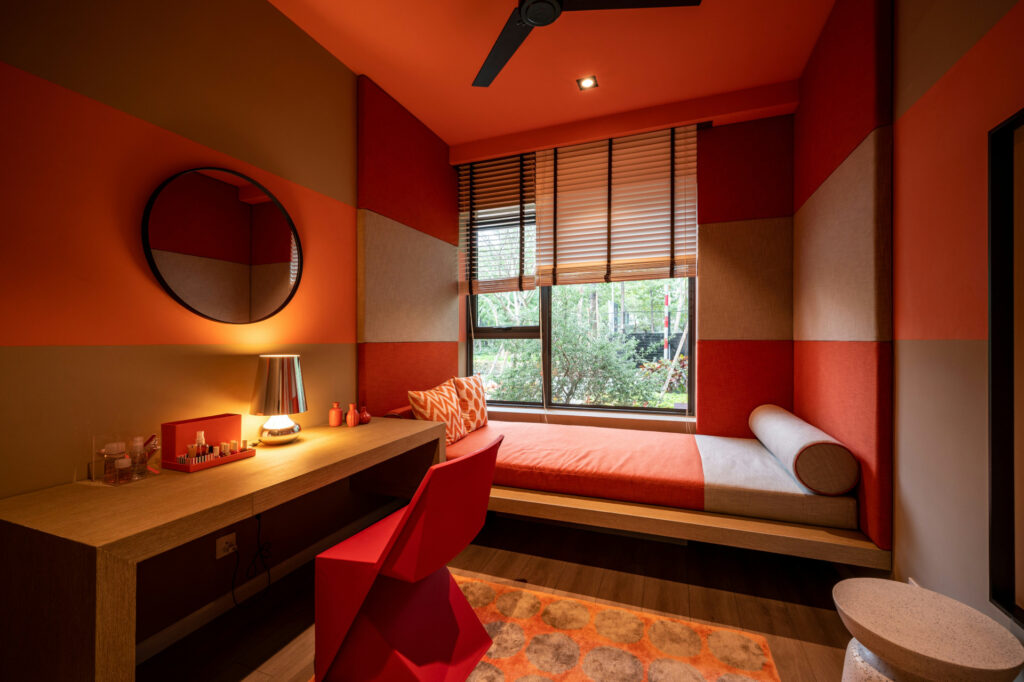
This technique involves painting the walls, trim, doors and sometimes even the ceiling in the same color or hues of the same color. You might think this would overwhelm a small space, but in practice, it helps blur the room’s boundaries, making it seem larger. By removing the visual “stops” of the trim and ceiling lines, it tricks the eye into seeing a more cohesive and bigger space.
If you want one, avoid putting it in the traditional place — the farthest short wall — as this will make a small room feel even more cave- or tunnel-like, especially if it is long but narrow. Instead, paint one of the longer walls a darker or bolder accent color to visually push it back and make the room feel wider. Paint ideas for small rooms often involve upending what you think you know.
The ceiling. It doesn’t have to be white. In fact, painting it any color other than white can have a dramatic effect. Painting it the same color as everything else — see color drenching — can make your eyes scan upward, enhancing the sense of space. A slightly lighter shade than the walls can make it feel higher. Alternatively, if you’re opting for light walls, a darker ceiling can add some coziness without closing in the already small space.
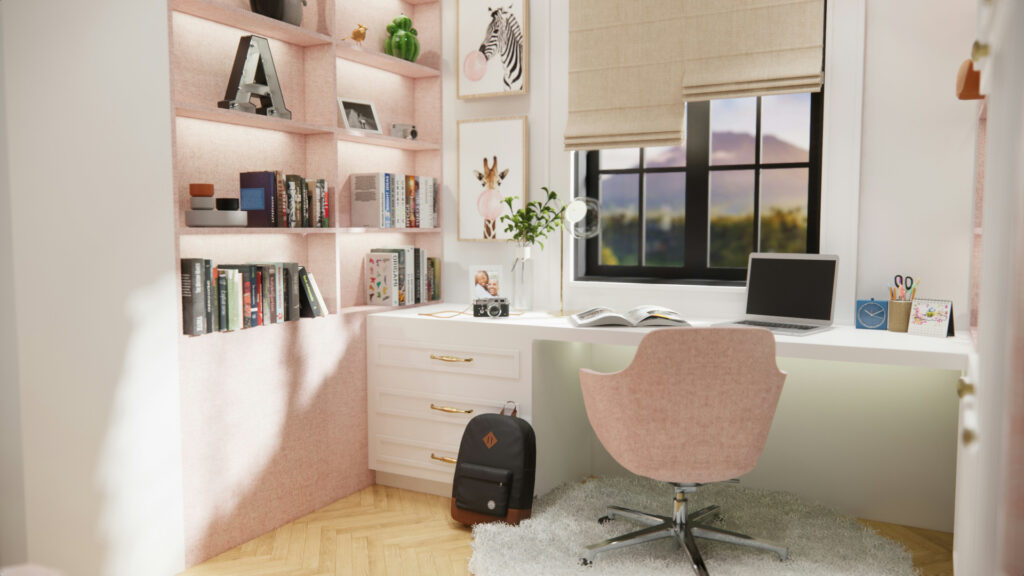
The type of finish matters when painting small rooms. It directly affects how light will bounce around the room, making a big difference to spatial perception. Higher sheen finishes, such as satin or semi-gloss, reflect more light and make a space feel more expansive. A matte finish, conversely, absorbs light and makes a space feel cozier.
Small rooms come in many different shapes. If you are trying to make the space look bigger, first identify the room shape and how you want to change it.
Here, you could try painting vertical stripes to draw the eye upward. They don’t have to be bold — a subtle tone-on-tone pattern can be very effective. Alternatively, think about continuing the wall color up onto the ceiling by a few inches or painting it a few shades lighter than the walls. Both options will blur the line between where the walls end and the ceiling begins, helping to lift it.

Make the space feel wider by painting the two longer walls in a lighter color and the two shorter end walls a slightly darker or warmer shade. This visually pulls the end walls in, making the room feel more balanced and square.
This is where color drenching can be most effective in eliminating the feeling of being contained in a small space. Alternatively, add some width by painting the back wall and the ceiling in the same darker shade, while using a much lighter color on the side walls.
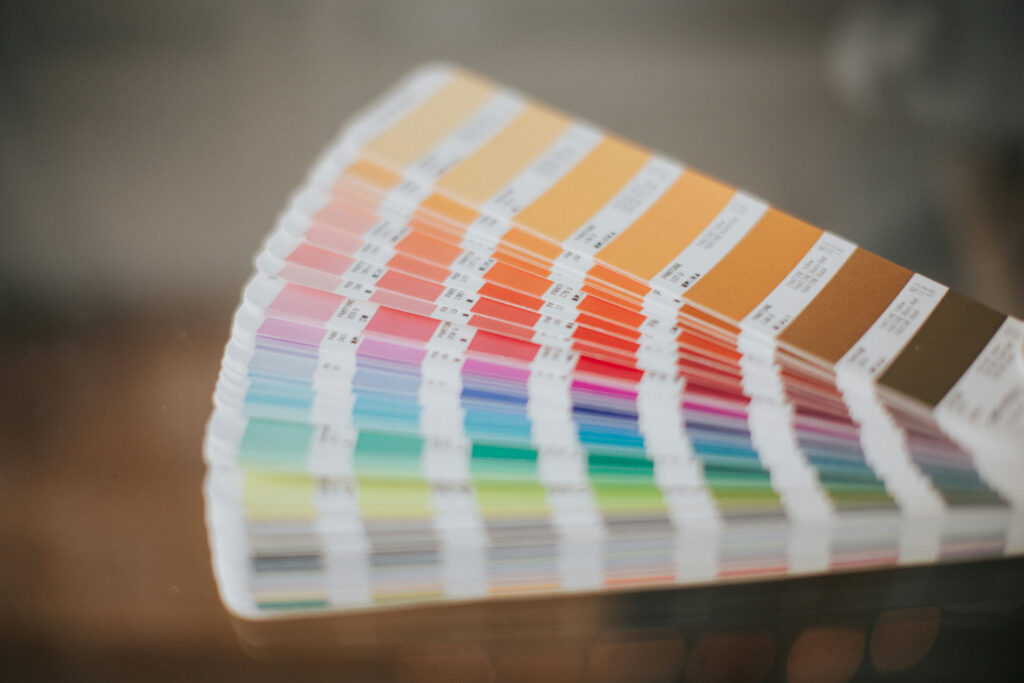
Color theory, as it applies to paint ideas for small rooms, is a little more complex than just “use light colors.” It is true that light hues reflect more light, but a more important concept to grasp is the distinction between advancing and receding colors.
Advancing colors are those like red, orange and yellow. These have longer wavelengths, and because of the way the eye focuses, they appear to pop forward in our vision. Receding colors, such as blue, violet and green, have shorter wavelengths and appear further away from us. So, receding colors are a good idea if you want to make a space look larger. However, there are nuances:
And vice versa with receding colors, which will recede more or less in similar ways. Experiment with color swatches to get the idea and make good choices for your space. Consider trying one of the following scheme options.
Using different shades and tints of a single color — similar to color drenching — creates a sophisticated, seamless look that is perfect for many small rooms.

Paint ideas for small rooms don’t always have to be light and airy. A dark, rich color like navy, charcoal or deep green can create a cozy, intimate or dramatic space. This can be especially effective in a nook-type space.
Another reason you might want to go dark is if your small room doesn’t have much natural light. While the temptation may be to lighten it up, dark shades lean into the room’s nature, making it feel intentional and jewel-box-like — where a light color in the same space may just look dingy.
A crisp, clean look can be achieved with high contrast, such as a medium-toned wall color paired with bright white trim. This can make architectural details pop and feel deliberately sharp, adding character to the small space. This can be a good idea for painting small rooms like a home office that needs to feel organized, energized and functional.
To get the most out of your small space, it must match your aesthetic and become a room you love to use. Whether it’s a home office, a spare bedroom, an attic room or a reading nook, think beyond white paint and get creative with color, sheen and painting techniques to bring your small room to life.