


We are reader-supported. When you buy through links on our site, we may earn an affiliate commission.
You’re keen to renovate already – that’s the “first year homeowner effect” — but experts agree you should spend time living there before you start changing it. When you do act, you will need to know which renovations to prioritize, how much to budget, how you can finance the work and how to plan your timeline. Home renovations in 2026 can cost an average of over $52,000, so this is not a minor investment. Here are 10 of our best first-time homeowner renovation tips to bear in mind.

The first thing any new homeowner renovation guide should tell you is that renovations can be costly, disruptive and stressful, even if enormously satisfying in the long run. Educate yourself about your home’s current condition, check out any HOA or zoning regulations, find some home improvement inspiration and understand how to budget for renovations. First-time homeowners can tackle renovation projects by being prepared.
Ideally, first-time homeowners should not renovate immediately. Distinguish between necessary repairs versus desired renovations. If you bought the property knowing the roof leaks, then some work is going to be urgent. For anything non-urgent, experts agree that you should live in the house for up to a year before starting work.
“It’s better to wait it out and let yourself ‘grow out of’ some of your initial reno ideas. There’s such a thing as reno-remorse, and I think it’s far worse than not having every detail of your home fit your preferences,” explains Johana Williams, who is the regional manager of Utopia Management.
Familiarize yourself with the existing layout. Enjoying your home as is for a year — as long as it’s safe and up to code — will give you a better perspective on the changes you want to make and whether they’re worth it.

The best renovation tips for first-time buyers suggest that you start with any necessary work to the house structure and systems, then the exterior, and finally the interior. Prioritize fixing structural issues and anything that is potentially damaging the property. This includes, in this order:
Then, and only then, can you get to the fun interior projects.
A home renovation budget for first-time buyers should avoid overcapitalization, so cap your renovation spending at 30% of your home’s value. If your home is worth $400,000, your maximum spend should be $120,000. Note that this is a total figure for the whole house, not per room or per project.
You can spread that per room as you see fit. For example, you may allocate 10% of your home’s value to a major kitchen renovation but only 2-3% for a bedroom upgrade.

The best way to find contractors for a first home renovation is to ask family, friends and neighbors for recommendations. Failing that, check reputable directories such as Home Advisor or Yelp, or view local social media groups to see who others have been using.
Once you have a shortlist, assess each one against this checklist:
Your contractor will be one of your closest partners as you undergo renovations, so you want to make sure you’ve picked the right one. While a new homeowner renovation guide might share horror stories, there are tens of thousands of honest, skilled, reliable contractors.
If you don’t have savings to fund your project, you may be able to get financing through several sources, such as:

If your DIY skills are strong and you have plenty of time, you can definitely tackle some minor to moderate renovations yourself. However, if your motivation is to save money, one of the best first-time homeowner renovation tips is to consider the hidden costs of DIYing:
That’s not to put you off. Many competent DIYers love improving their home, and it’s hugely satisfying. However, if your only motivation is savings, you are probably better off hiring a pro.
The highest ROI renovations for 2026 are:
| Basic Landscaping/Minor Exterior Work | 207% |
| Garage Door Replacement | 193.9% |
| Fiber Cement Siding Installation | 76% |
| Installing Energy Efficient Windows | 70% – 76% |
| Kitchen Island Revamp | 60% – 80% |
However, ROI isn’t everything. If there’s a renovation that would mean the world to you, it’s not wrong to do it even if it doesn’t pay off financially. Editor-in-Chief of Country Living Rachel Hardage Barrett notes that “At the end of the day, it’s your home. As much as contractors or designers or friends or family may have opinions, you’re the person living with the choices. Go with your gut.”
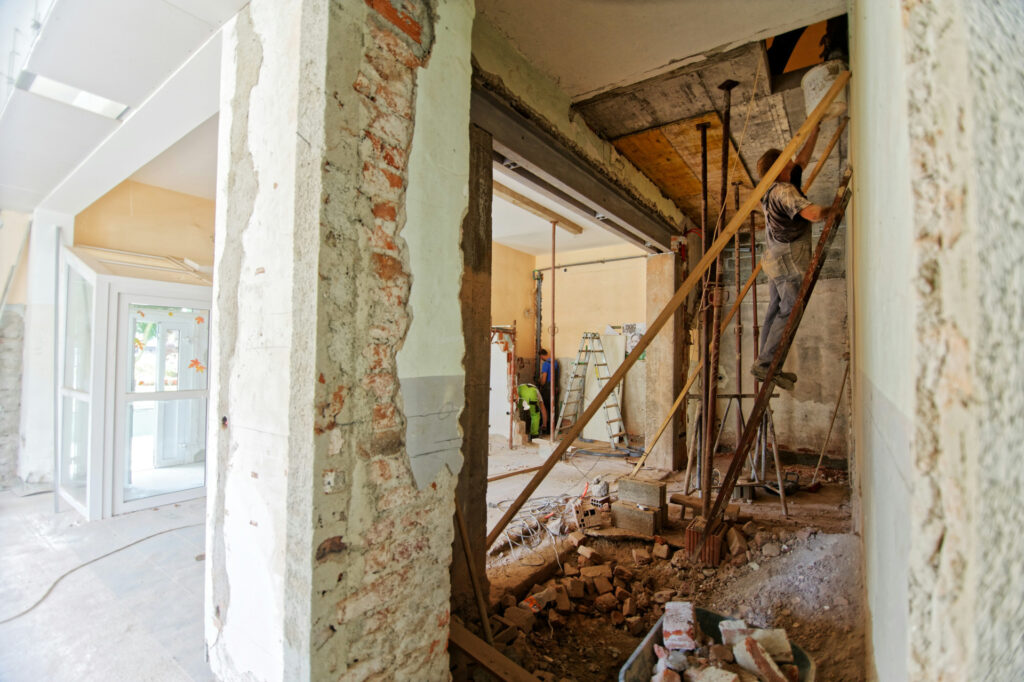
First-time homeowner renovation tips include avoiding mistakes typically stem from overenthusiasm. First-time homeowner renovation tips include avoiding mistakes that typically stem from overenthusiasm. Here are some common errors and how to avoid them:
For major work, designate one room — such as a family room — as off-limits, so you always have a place to escape to. Ask contractors to seal off working areas with plastic sheeting to avoid dust.
First-time homeowner renovation tips include setting clear boundaries with contractors regarding start and finish times each day, bathrooms and parking. Be prepared for noise and an element of controlled chaos.

Example estimated costs you can expect are the following.
| Project | Estimated/Average Professional Cost | Estimated/Average DIY Cost |
| Small kitchen remodel | $4,000-$18,000 | $2,800-$15,300 |
| Full kitchen remodel | $15,000-$50,000 | $10,500-$42,500 |
| Primary bathroom remodel | $10,000-$30,000 | $5,000-$10,000 |
| Hardwood floor installation | $12-$14.50 per square foot for white oak | $8-$12 per square foot for white oak |
| Interior painting | $2,000-$6,000 per 1,000 square feet | $500-$1,500 per 1,000 square feet |
| Exterior painting | $1,500-$4,000 per 1,000 square feet | $375-$1,000 per 1,000 square feet |
| Landscaping basics | $4.50-$12 per square foot | Negligible |
| Roof repairs | $392-$1,913 | Inadvisable to attempt |
| Electrical repairs | $78 per hour | Inadvisable to attempt |
| HVAC repairs | $130-$2,000 | Inadvisable to attempt |
To create your budget, step by step:
When you have a list of every desired project, you can prioritize them like this. For each project:

One of the best first-time homeowner renovation tips is to make a schedule. Now you know what you can afford and in what order to work, it’s time to figure out when to do what.
| Project | Best Month/Season | Why? |
| Kitchen or bathroom remodel | Late Fall/winterOct-Feb | Off-season for most contractorsBetter availability and more competitive pricingWeather doesn’t matter for indoor work |
| Exterior painting and siding | Late spring/early fallMay or Sep | Most materials require mild temperatures and low humidity to cure correctlyAvoids the heat of summer and damp of winter |
| Deck, patio, fence | Spring/fallApr/May/Sep/Oct | Ground is softer for digging postholesWeather comfortable for outdoor labor |
| Roof repair | Late spring/early fallMay/Sep/Oct | Asphalt shingles seat best in moderate sunAvoids extreme heat or risk of ice and snow |
| Window and door replacement | Spring/fallApr/May/Sep/Oct | Mild weather means external air ingress won’t be too unpleasant or costly to energy bills |
| Interior painting | Fall/winterSep-Feb | Less humidity allows paint to dry effectivelyWindow opening for ventilation without bugs |
| Basement finishing | WinterSep-Feb | Off-season work may be more competitiveWeather doesn’t matter for indoor work |
| Landscaping | Spring/fallApr/May/Sep/Oct | Spring is ideal for planting annuals and perennialsFall is best for planting trees, shrubs and bulbs |
Essential renovation tips for new homeowners include:
This will vary depending on your project and location. Always check local regulations. Beginning work without the proper permits can lead to hefty fines, demolition of completed work and increased property taxes. It may also void your homeowners insurance.
Obtain all necessary permits, research local codes, and hire contractors who are local to the area and familiar with what is required.
Early communication is key. Take photos of any issues. Raise your concerns calmly in writing and ask for a written response. Most issues can be resolved with a polite but firm insistence on clarity. If not, withhold payment or file a complaint with the local licensing board.
As first-time homeowners, you’re embarking on an exciting new adventure with a property of your own. While it’s easy to get overwhelmed with so much to do, keeping these first-time home owner renovation tips in mind will keep you organized and excited as you make your dream home a reality.
Originally published on 6/5/23 – Updated on 3/2/26