

We are reader-supported. When you buy through links on our site, we may earn an affiliate commission.
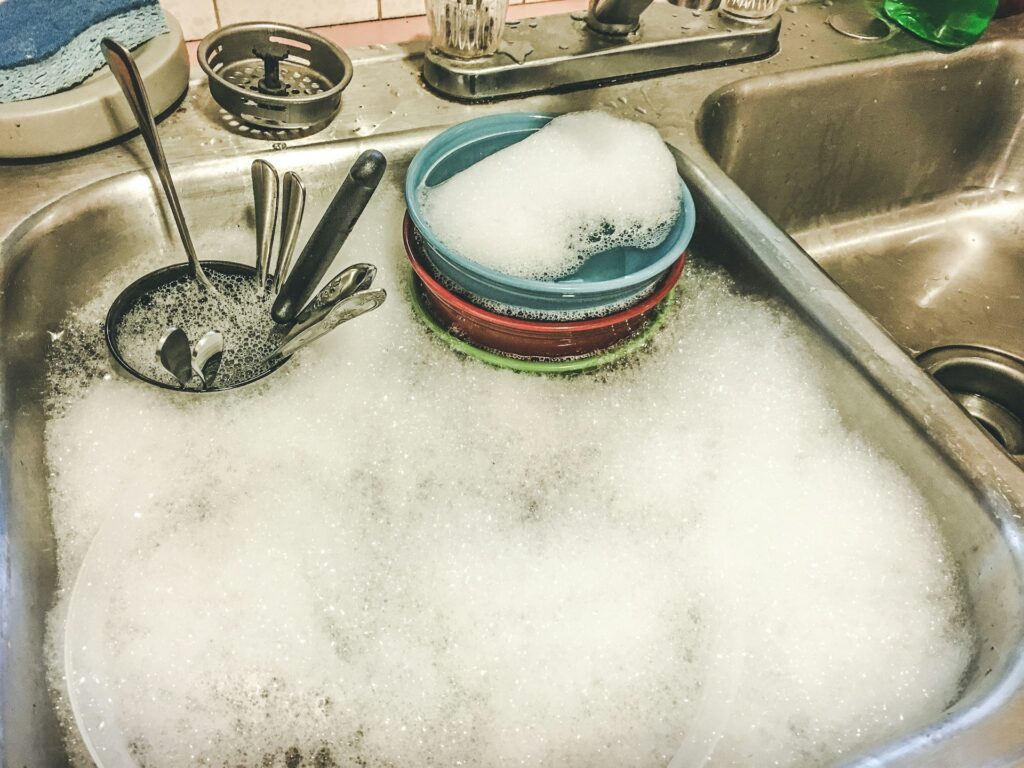
Have you ever opened your dishwasher expecting to see clean dishes only to find cloudy water staring back at you? If that’s happened, your dishwasher backflow preventer could be failing behind the scenes. Here’s what that means, why it happens and how you can fix it before it turns into a bigger plumbing headache.
Your dishwasher backflow preventer is a small but mighty component that prevents dirty water from flowing backward into your appliance. In simple terms, it keeps wastewater from your sink or drain line from re-entering your dishwasher once a cycle finishes.
There are usually three possible setups — a visible dishwasher air gap on your sink, a hidden backflow preventer valve or a high-loop drain hose configuration. Each works slightly differently, but they all share the same goal, which is to protect your dishes, your dishwasher and your home from contamination.
When this system fails, wastewater can creep back into your dishwasher, leaving behind odors, residue and even bacteria. On top of it being unpleasant, it can also shorten the lifespan of your appliance and create hidden moisture problems under your sink.

Backflow issues don’t announce themselves. In fact, the warning signs often start small and gradually worsen over time. Here’s what to watch out for:
Many homeowners assume these symptoms mean a clogged filter or blocked drain. While that can be true, a failing backflow preventer is often the real culprit. Catching these signs early matters. Hidden plumbing problems are among the most common causes of unexpected home repair costs.
Backflow preventers wear down over time, especially with daily use. Here are some of the most common causes:
Regular maintenance plays a huge role here. Small, preventive habits like cleaning drains and inspecting under-sink plumbing can help homeowners avoid costly water damage down the line.
If you’re troubleshooting backflow, it helps to know which system your home uses. A dishwasher air gap is the small metal or plastic fixture usually mounted next to your faucet. It creates a physical break in the drain line, making it nearly impossible for dirty water to travel backward.
A dishwasher check valve, on the other hand, lives out of sight inside the drain hose or pump assembly. It opens to let wastewater out, then closes to block it from returning. Air gaps are easy to spot and clean since they’re visible on your sink. Check valves are hidden and sleek, but harder to notice when they fail.
Some dishwasher backflow issues are surprisingly DIY-friendly. If you have an air gap, removing the cap and flushing out debris with warm water or a small brush can often restore proper drainage. While many guides recommend using vinegar, be careful not to use it too often, as its acidity can break down a dishwasher’s rubber components over time. Checking that your drain hose has a proper high loop and cleaning your dishwasher filter are also easy first steps.
However, if water keeps backing up, you notice leaks inside cabinets or suspect a failed backflow preventer valve, replacement may be necessary. That’s usually where a plumber comes in.
Early intervention with plumbing problems can dramatically reduce repair costs, especially when moisture is involved. Protecting your appliances is a worthwhile investment, especially as their value can be surprisingly resilient — for example, the market for electric skillets is projected to increase by 4.8% to 2033. If you’re handy, you can swap a check valve. Otherwise, a professional can diagnose and fix the issue quickly, often in under an hour.
A failing backflow preventer may be hidden, but its effects aren’t. By spotting early warning signs, understanding your setup and handling small fixes promptly, you can keep dirty water where it belongs. Whether it’s a quick clean or a simple part replacement, staying proactive now helps your dishwasher run better and saves you from soggy surprises down the road.