

We are reader-supported. When you buy through links on our site, we may earn an affiliate commission.
Fresh concrete can absolutely cause severe burns, but not in the way many people expect. These injuries are not caused by heat. They are chemical burns resulting from the highly alkaline nature of wet cement. Whether you’re a homeowner pouring a small patio or a contractor working on a large-scale build, the risk is very real. In fact, many serious injuries occur because people underestimate how dangerous fresh concrete can be.

Yes, concrete can burn skin, but these are chemical burns rather than thermal burns. The danger comes from the high alkalinity of wet cement, a key component of concrete.
When water is added to portland cement, a chemical reaction occurs. Compounds such as calcium oxide react with water to form calcium hydroxide. This substance is highly alkaline, with a pH ranging from 12 to 13 — for comparison, household bleach typically has a pH of around 11 to 13. This makes wet concrete caustic enough to damage human tissue.
Because of this, “concrete burns” are essentially alkali burns that can penetrate deeply into the skin if not addressed quickly.
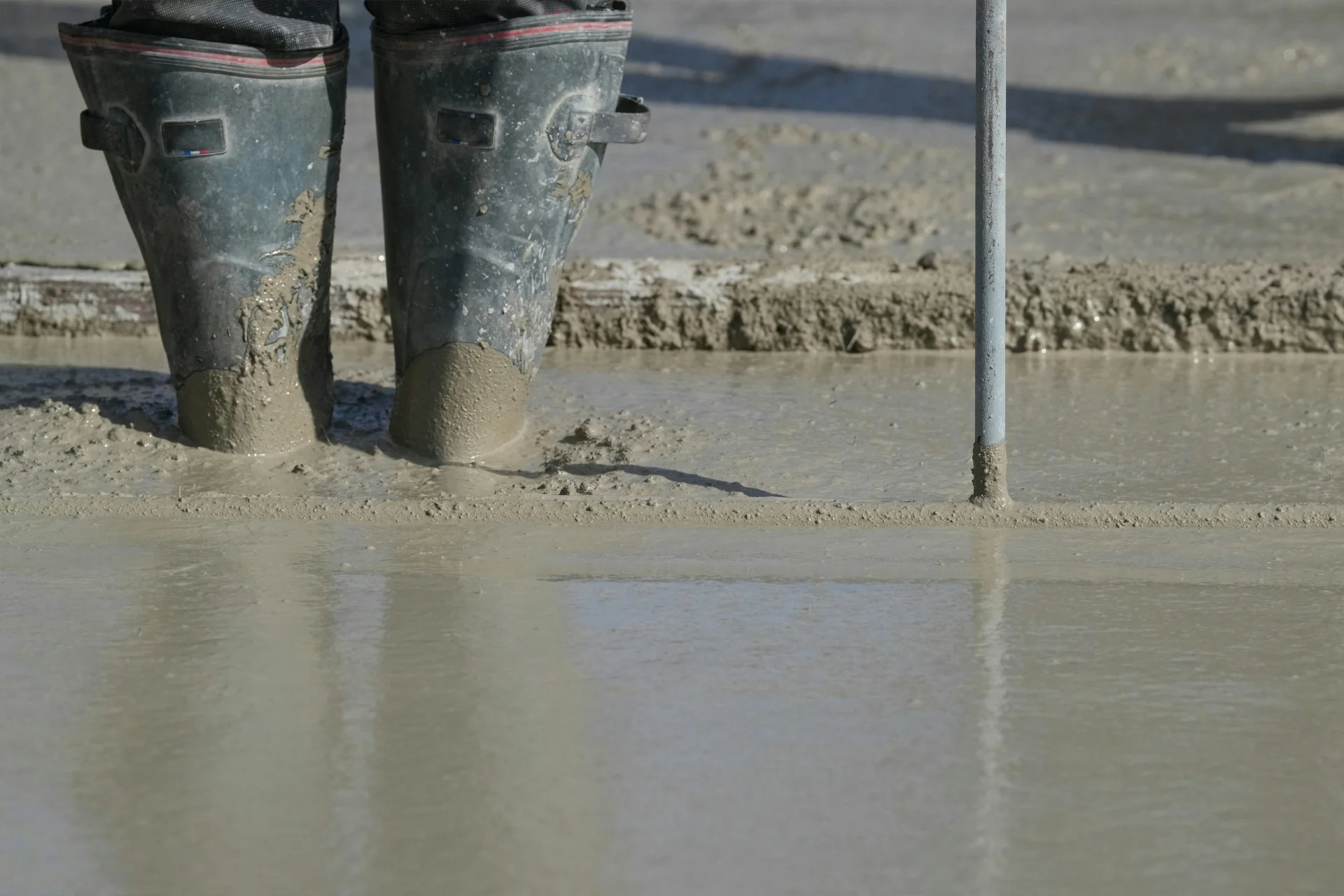
Concrete burns due to a chemical reaction between the alkaline cement mixture and human skin. This process can be surprisingly deceptive.
Unlike heat burns, which are immediately painful, concrete burns develop slowly and may not be felt right away. Damage begins as soon as wet concrete contacts the skin, but symptoms may take hours to appear.
Several factors make these burns particularly dangerous:
This combination of delayed symptoms and ongoing tissue damage is what makes concrete burns especially hazardous.
Concrete burns progress over time, often becoming more severe if exposure continues or treatment is delayed.
Concrete burns can affect anyone working with wet cement, but two groups are particularly vulnerable.
Many homeowners take on small concrete projects like patios, driveways or fence posts without fully understanding the risks. Common issues include:
Even a short DIY project can lead to serious injury if you don’t take precautions.

Professionals are at risk of concrete burns due to frequent and prolonged exposure.
Experience does not eliminate danger. In fact, familiarity can sometimes lead to complacency.
Preventing concrete burns is far easier than treating them. The key is minimizing skin contact and acting quickly if exposure occurs.
Proper PPE is essential when working with wet concrete:
Clothing should be durable, waterproof where possible and designed for construction environments.
In addition to PPE, safe work habits are crucial:
These steps significantly reduce the risk of concrete burns.

If someone has been exposed to wet concrete, immediate action can prevent serious injury. Here are the steps you should follow:
1. Remove contaminated clothing immediately.
2. Rinse the affected area with cool, running water for at least 20 minutes.
3. Gently clean the skin without scrubbing.
4. If available, use a buffered or slightly acidic rinse, such as diluted vinegar, after thorough flushing.
5. Cover the area with a clean, sterile dressing.
6. Avoid applying creams, ointments or oils unless directed by a medical professional.
Prompt and thorough rinsing is the single most important step in reducing damage.
You should seek help immediately if:
Delaying treatment can lead to complications, including infection and permanent damage.
Dry concrete and cement dust are less likely to cause chemical burns but can still irritate the skin, eyes and lungs. Prolonged inhalation of cement dust can lead to serious respiratory conditions such as silicosis. While not the same as chemical burns, these risks are still serious.
Symptoms typically develop within one to four hours after exposure. However, in some cases, it may take longer for visible damage or pain to appear. This delayed onset is one reason why concrete burns are often underestimated.

Most portland cement-based products pose similar risks because they share the same alkaline properties. Additives can slightly alter the composition, but all wet cement mixtures should be treated as hazardous.
Yes, though concrete allergies are uncommon. There are two main reactions:
The allergic form can cause rashes even with minimal exposure.
Concrete is one of the most widely used construction materials in the world, but its hazards are often overlooked. Freshly mixed concrete is chemically aggressive and capable of causing serious injury. Taking these risks seriously and acting quickly when exposure occurs can prevent long-term skin damage and ensure safer projects for everyone involved.