
We are reader-supported. When you buy through links on our site, we may earn an affiliate commission.
Choosing the best pots for your plants is crucial for them to grow and thrive. The ideal pot will provide enough space for the roots to grow, ensure proper drainage and complement your home’s aesthetics. Here’s a guide to help you select the best pots for your plants.
The pot’s material affects its appearance and your plant’s health, so paying attention before purchasing a pot is essential.
Choose pots that can accommodate your plant’s root structure. Plants with deep roots, such as tomatoes or carrots, benefit from deep pots that allow for sufficient vertical root growth. Shallow-rooted plants, like herbs or lettuce, thrive in wider pots that spread horizontally. Pots with wider bases also stabilize top-heavy plants and prevent them from toppling over.
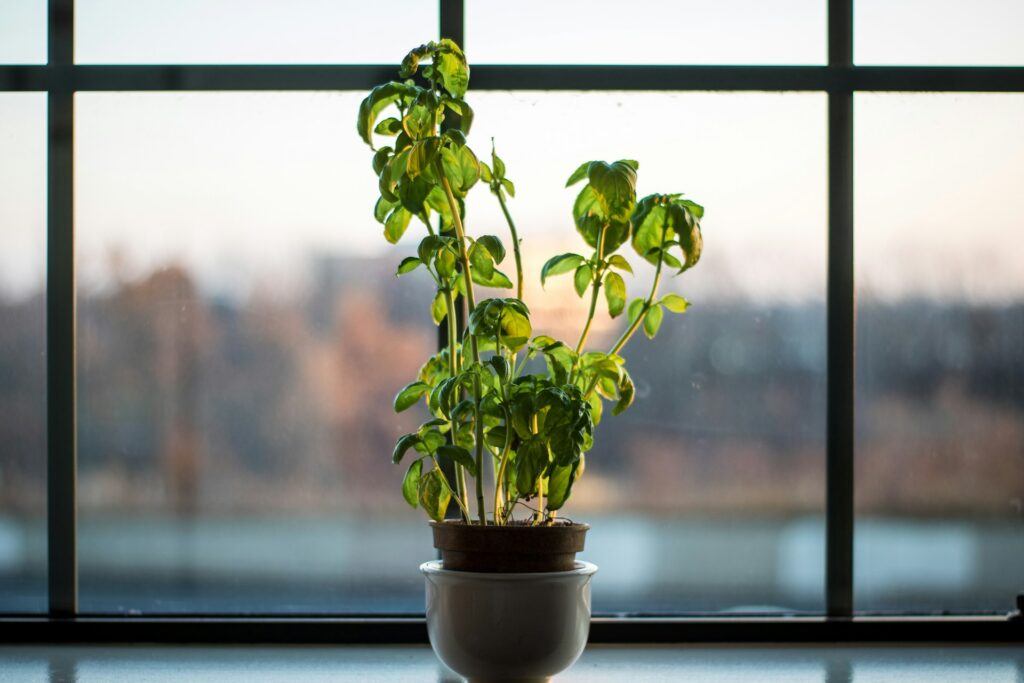
Choosing the right size pot is crucial for plant health. Small pots are ideal for small plants, seedlings and succulents, but they can dry out quickly and may require frequent watering. Medium pots are suitable for most houseplants, ensuring enough room for root growth to avoid root-bound plants, which can stunt growth. Large pots are great for larger plants and those with extensive root systems. They provide stability and ample space for roots but can be heavy and difficult to move.
As your plants grow, they may require larger pots to accommodate their expanding root systems and above-ground growth. Monitor plant growth and consider repotting them into a larger container when the roots outgrow their current pot. This prevents root-bound conditions and encourages continued healthy growth and development.
Good drainage is essential to prevent waterlogging and root rot. Ensure your pots have drainage holes at the bottom. If they don’t, you can create your own or use them as decorative outer pots with an inner pot that has drainage. Pot saucers are helpful for catching excess water and preventing surface damage, but make sure to empty them regularly to avoid standing water.
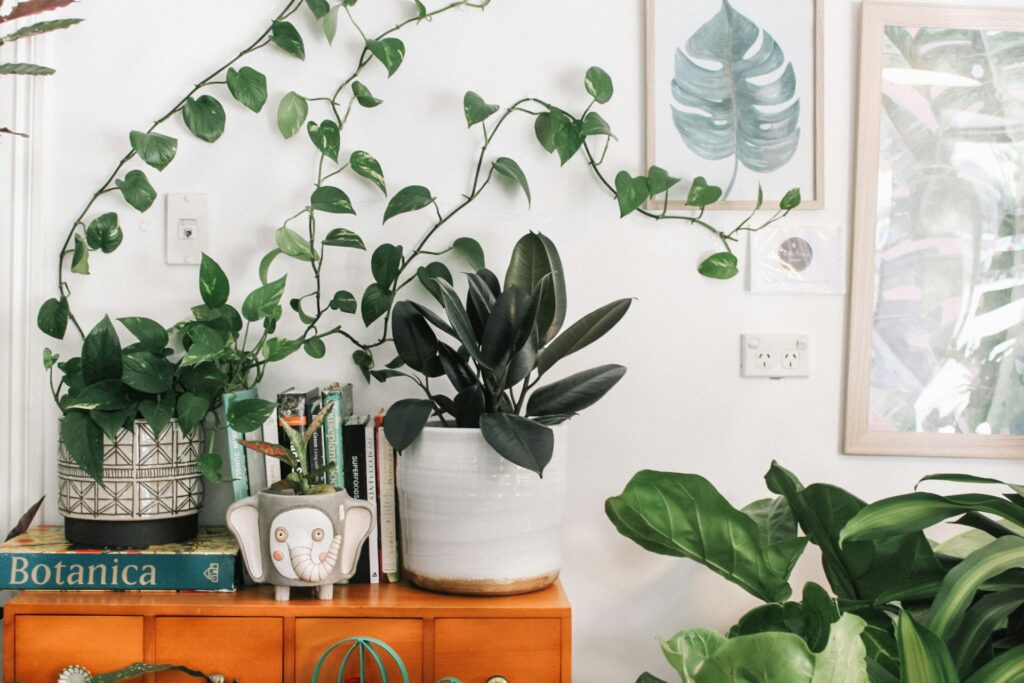
Consider the climate and environment where you plan to place your plants. Unglazed terracotta pots provide insulation and regulate soil temperature, keeping roots cool in summer and warm in winter. This feature is beneficial for plants that are sensitive to temperature fluctuations. Conversely, glazed ceramic or metal pots may absorb and retain heat, making them suitable for plants that require warmer soil conditions.
The location of your plants will also involve your pot choice. For indoor plants, consider decorative pots that match your home’s aesthetic. These pots can be made from various materials, but ensure they have a saucer to catch excess water and prevent damage to your floors or furniture.
For outdoor plants, durability and weather resistance are key factors. Choose pots that can withstand the elements, such as frost-resistant ceramic or weatherproof plastic. Additionally, consider the pot’s weight — heavy pots can be more stable in windy conditions, while lighter pots are easier to move around.
While functionality is important, don’t overlook aesthetics. Choose pots that complement your home’s decor. Whether you prefer modern, rustic, colorful or eclectic styles, pots are available to match. If you plan to move them frequently, consider lightweight materials or pits with wheels. Self-watering pots can be a great option for busy gardeners or for plants requiring consistent moisture.
It’s best to choose sustainable and eco-friendly potting options. Look for pots made from recycled materials or those you can easily recycle or upcycle after using. Biodegradable pots, such as those made from coconut coir or pear, break down naturally over time, reducing environmental impact and minimizing waste.
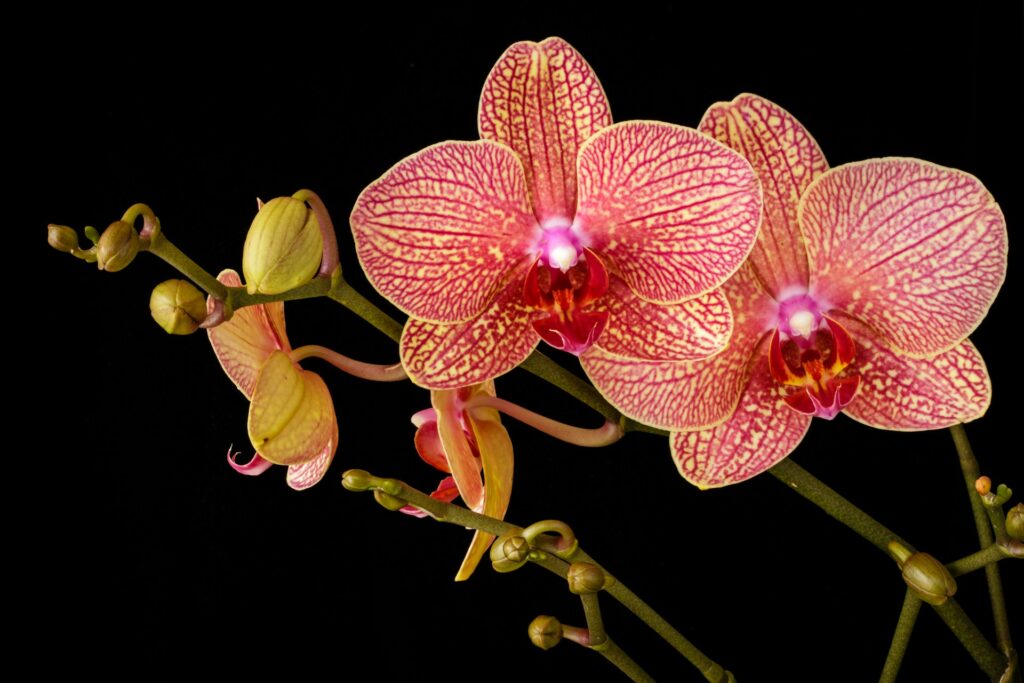
Some plants have specific needs that require specialty pots. Orchid pots often have extra holes to increase airflow around the roots. Hanging pots are ideal for trawling plants and to save space in small areas. Window boxes are perfect for herbs and small plants, providing easy access and a decorative touch to windowsills.
Choosing the best pots for your plants involves a lot of consideration if you want your plants to blossom and thrive. By taking these factors into account, you can create the perfect growing environment that ensures your plants thrive and add beauty to your space.