

We are reader-supported. When you buy through links on our site, we may earn an affiliate commission.
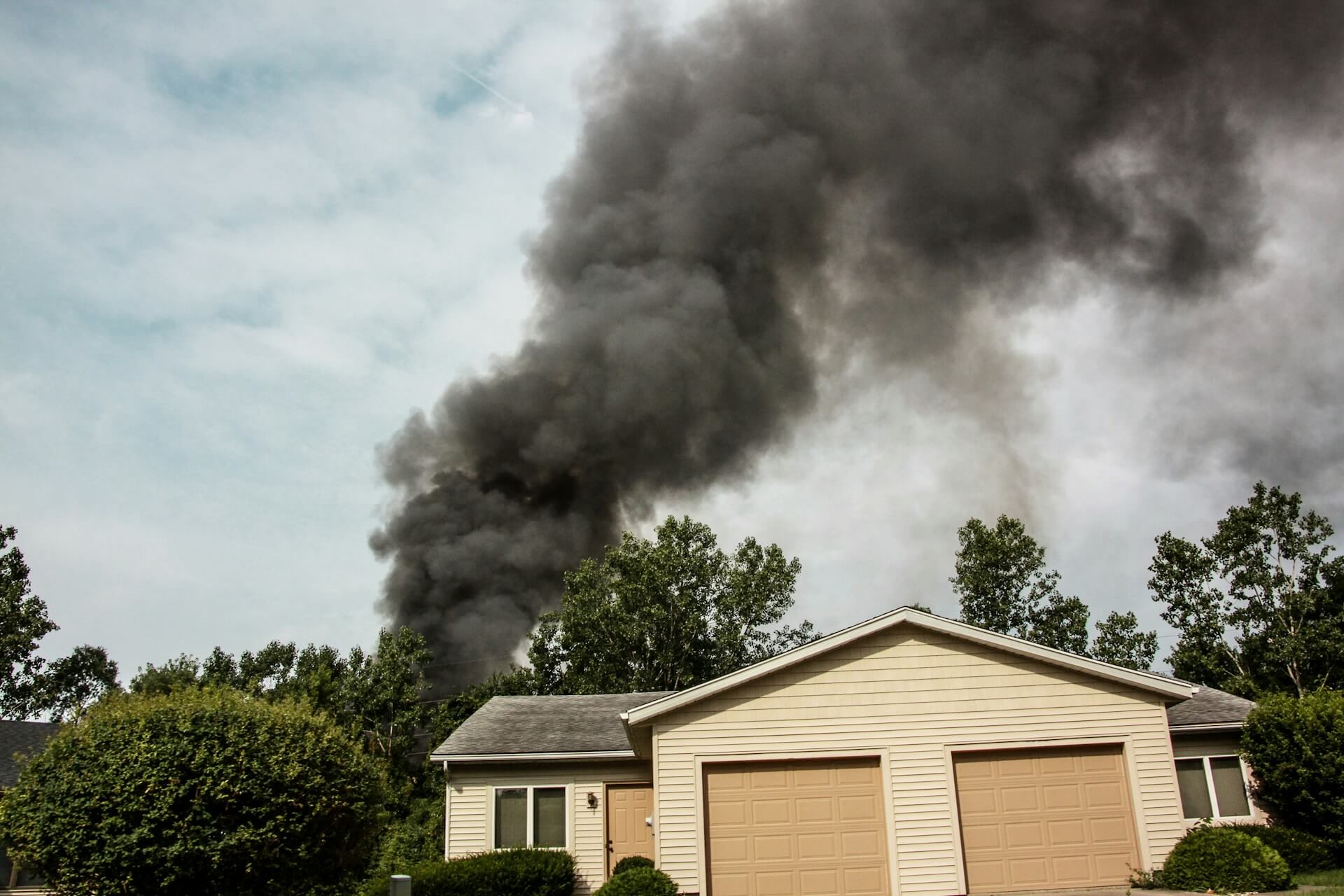
Wildfire season used to feel like a regional worry. Now it touches homeowners in California, Colorado, Texas and dozens of other states every year. The good news is you have more control than you might think. Long before flames reach your street, your landscaping choices are already working for or against your home.
A wildfire rarely needs to touch your house directly to destroy it. Wind-driven embers travel far ahead of the flame front and land on dry mulch, stacked firewood or overgrown shrubs pressed against your siding. Fire scientist Jack Cohen developed the home ignition zone concept in the late 1990s after research showed how radiant heat causes homes to ignite. That research reshaped how experts think about wildfire defense.
The financial stakes keep climbing, too. Total losses from the 2025 Los Angeles wildfires are projected to land between $250 billion and $275 billion once every economic cost is counted, with insurers alone absorbing about $40 billion — the largest wildfire payout on record. Landscaping will not stop a megafire on its own. It can dramatically shift the odds in your favor when embers arrive at your property line.
This is not only a California problem anymore. More than 2.6 million homes across 14 western states now face a moderate or greater risk of wildfire damage, and those homes would cost over a trillion dollars to rebuild if destroyed. If you are a homeowner, a renter, a contractor or a real estate professional advising clients, understanding which yard changes actually reduce risk has become a practical necessity rather than a niche concern.
Fire experts call the area closest to your walls Zone 0 — the part of your yard that deserves the most attention of all. Cal Fire’s current guidelines call for gravel, pavers or concrete instead of mulch in this zone along with cleared dead weeds, grass and debris and branches trimmed at least 10 feet from chimneys. Outdoor furniture and planters near your deck should be minimized too since they can ignite and carry flame straight to your siding.
Treat Zone 0 like the buffer between your home and everything flammable in your yard. A few practical moves make a real difference here:
Once you move past the 5-foot mark, the goal shifts from elimination to management. You are no longer trying to remove every plant. You are trying to break up continuous fuel so fire cannot travel easily from your landscaping to your roofline. The next two zones cover the rest of a standard 100-foot buffer.
This middle zone extends roughly 30 feet from your home and asks you to create space between trees, shrubs and grass. Prune tree limbs so they hang at least 10 feet apart and remove branches within 6 feet of the ground to prevent fire from climbing into the canopy. Choose fire-resistant plants like succulents, rockrose and many native grasses, which hold more moisture and burn slower than resinous shrubs such as juniper.
Beyond 30 feet you are mainly managing fuel volume rather than eliminating vegetation. Mow dry grass down to about 4 inches, thin dense tree stands and remove dead or downed limbs. If your property is smaller than 100 feet, simply extend these practices to your property line and coordinate with neighbors where your yards meet, since fire does not stop at a property boundary.
What you build matters as much as what you plant. A wood fence that runs straight into your house acts like a fuse, carrying flame directly to your siding. Replacing the last several feet of any attached fence with metal or masonry can stop that path cold. The same logic applies to trellises, pergolas and raised garden beds built from untreated lumber near your walls.
Roofing choice matters just as much as what grows around it. Fire Safe Marin notes that a Class A fire rating is the highest tier of roof protection against wildfire embers, with coverings like asphalt composition shingles, metal panels and clay tile performing far better than wood shake. The same standard applies to fire-resistant siding and roofing materials, which pair naturally with the landscaping changes covered here.
Even the best-designed fire-resistant yard fails if it is not maintained. A 2025 study in Nature Communications that simulated fire spread across five of California’s most destructive wildfires found that combining defensible space with home hardening measures can cut structural damage roughly in half. Neither strategy works as well on its own — both depend on being kept up over time rather than installed once and forgotten.
Build a simple seasonal routine instead of treating this as a one-time project:
Contractors and renovation businesses can build these checks into standard maintenance visits, and real estate professionals can flag them during listing walkthroughs. A yard that looked defensible last year can drift out of compliance quickly once growth resumes.
You do not need to turn your yard into a gravel lot to make it safer. Thoughtful plant choices, smart spacing and a few material swaps near your home can meaningfully change how your property responds when wildfire risk rises. Renters can push for many of these changes too since most involve maintenance rather than permanent construction.
Whether you own a single home, manage rental properties or advise clients on renovations, the same principle holds. Fire resistance starts at ground level, long before it ever reaches your roof, and it starts with choices you can make this weekend.