
We are reader-supported. When you buy through links on our site, we may earn an affiliate commission.
There’s nothing more frustrating than stepping into a shower expecting a strong, refreshing stream of water, only to be greeted by a weak trickle. Low shower pressure is convenient, but it can also be a sign that something in your plumbing isn’t working as it should. Fortunately, poor water pressure is often caused by a handful of common issues, many of which can be identified and fixed without major plumbing work. If you’ve been searching for ways to increase water pressure in the shower, the first step is to understand what’s actually restricting the flow.
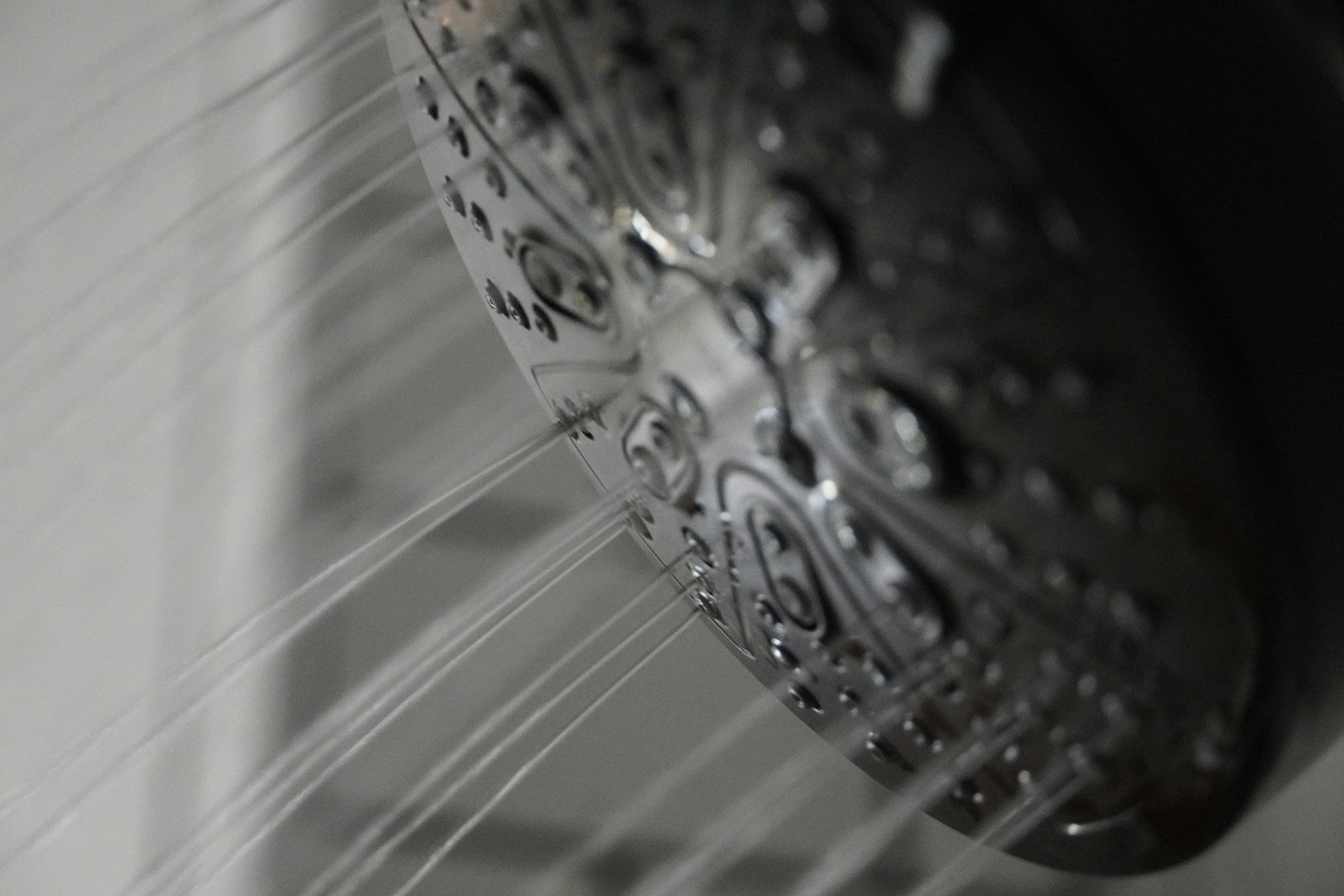
One of the most common culprits is also one of the easiest to overlook. If you live in an area with hard water, minerals such as calcium and magnesium gradually collect inside the tiny nozzles of your showerhead. Over time, these deposits narrow the openings where water exits, reducing pressure even if the rest of your plumbing system is functioning perfectly.
Signs of mineral buildup include:
In many cases, removing the showerhead and soaking it in white vinegar for several hours dissolves the deposits and restores normal flow.
Many modern showerheads are designed with built-in flow restrictors that reduce water consumption. While these devices help conserve water and lower utility bills, they can sometimes leave homeowners feeling like there’s not enough pressure, particularly if the home’s water pressure is already on the lower side.
Before assuming there’s a plumbing problem, check whether your showerhead has a flow restrictor installed. Some manufacturers allow these insets to be removed, while others are designed to remain in place to meet water efficiency regulations.
Sometimes the issue isn’t the shower at all. It’s the amount of water entering your home.
Municipal water supplies vary considerably, and some neighborhoods naturally experience lower pressure than others. Homes situated on hills or at the end of supply lines may also receive weaker water pressure than neighboring properties.
If every tap and fixture in your house seems to have low pressure, it’s worth checking whether the problem extends beyond the shower. This is often the point where homeowners begin researching how to increase water pressure in the shower, only to discover the underlying issue affects the entire plumbing system.
It sounds simple, but it happens more often than many people realize. If your home’s main shut-off valve or water meter isn’t fully open — perhaps after recent plumbing work or maintenance — it can significantly reduce water flow throughout the house.
A partially closed valve acts like a bottleneck, restricting the volume of water reaching your fixtures. Checking that both valves are fully open is a quick inspection that could save unnecessary troubleshooting elsewhere.
According to the EPA, 9% of U.S. households have leaks that waste at least 50 gallons of water per day. Water can’t reach your shower efficiently if it’s escaping elsewhere first. Leaks inside walls, beneath floors or underground reduce the pressure available throughout the home’s plumbing. While small leaks may develop slowly, larger ones can noticeably affect shower performance.
Other warning signs include:
If these symptoms appear alongside weak shower pressure, it’s important to investigate promptly before water damage worsens.
Older homes often contain galvanized steel pipes that naturally corrode over time. As corrosion builds inside the pipes, the internal diameter becomes smaller. This narrowing restricts water flow in much the same way plaque narrows arteries, making it increasingly difficult for water to reach fixtures at full pressure.
Corroded pipes may also contribute to:
Unlike a clogged showerhead, deteriorating pipes genera;lly require professional replacement rather than simple maintenance.
Many homes are fitted with pressure-reducing valves (PRVs), which regulate incoming water pressure to protect plumbing fixtures from excessive force. When these valves begin to fail or drift out of calibration, they may reduce pressure far below the intended level.
A faulty PRV often causes:
Replacing or adjusting the valve usually restores normal performance.
Sometimes nothing is technically wrong with your plumbing. If someone is showering while another person runs the dishwasher, washing machine or garden hose, multiple appliances are drawing from the same water supply simultaneously.
The result is a noticeable drop in shower pressure, particularly in older homes with smaller pipe supplies. Planning water-heavy activities at different times can help reduce this temporary pressure loss.
In some bathrooms, especially after renovations, flexible supply hoses feeding the shower may become bent or pinched. Even a small kink can restrict water flow enough to noticeably reduce pressure. Inspecting exposed plumbing connections can quickly rule out this surprisingly common issue.
Homes supplied by older municipal systems or private wells can accumulate sand, rust or sediment inside plumbing fixtures.
These particles may clog:
Unlike mineral deposits on the showerhead, sediment can become trapped deeper within the plumbing system and may require partial disassembly to remove.
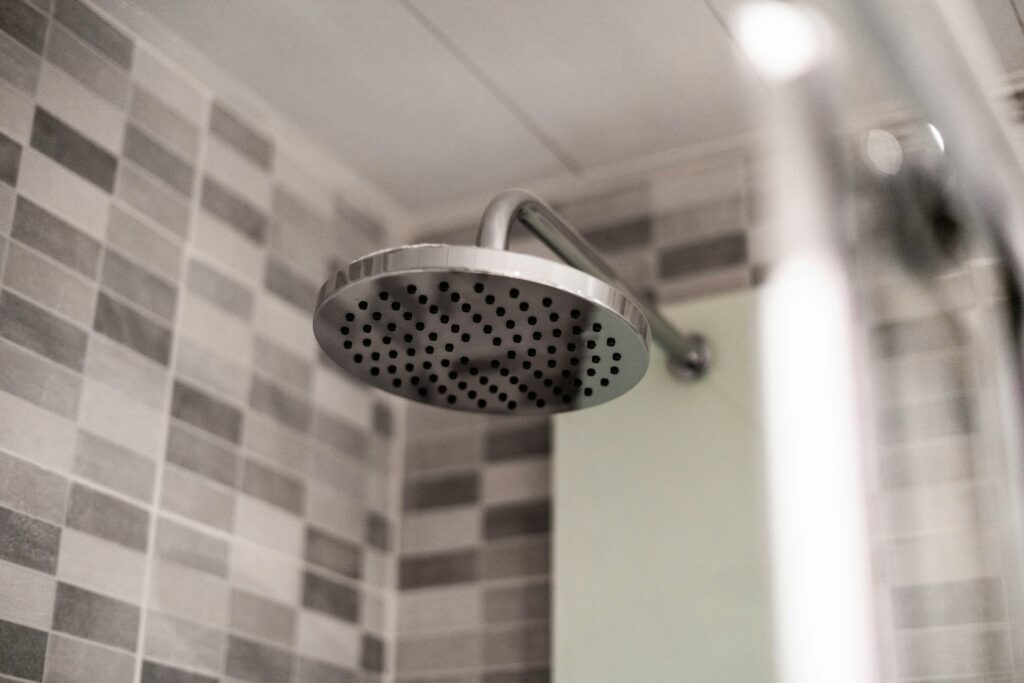
While cleaning a showerhead or checking shut-off valves are straightforward DIY tasks, some causes of low water pressure require specialized equipment and experience to diagnose properly. A licensed plumber can measure your home’s water pressure, inspect hidden pipework, identify leaks, test pressure-reducing valves and determine whether aging plumbing is restricting flow.
If you’ve already cleaned the showerhead and ruled out simple issues but still need to increase water pressure in the shower, professional testing can pinpoint the exact cause instead of relying on guesswork.
Many water pressure problems develop gradually rather than appearing overnight. Regular maintenance helps prevent small issues from becoming larger, more expensive repairs.
Simple preventive steps include:
Staying proactive keeps your shower performing at its best and helps protect the entire plumbing system from unnecessary wear.
Weak shower pressure is rarely random. Whether it’s a clogged showerhead, aging pipes, hidden leaks or low incoming water pressure, identifying the underlying cause is the key to restoring a strong, consistent flow.