The Dark Side of Your Garden: Lethal Plants and How to Protect Your Family


We are reader-supported. When you buy through links on our site, we may earn an affiliate commission.
Gardens often look like safe havens with lush, green life. But some plants carry a darker side. Specific species commonly found in American yards can be surprisingly toxic, endangering curious kids, adventurous pets and even adults who don’t recognize them. As spooky decor creeps onto porches this Halloween, it’s worth asking if there are truly lethal plants lurking right outside your door.
Here are some of the most dangerous plants in U.S. yards, what makes them toxic and safer alternatives you can use while you learn how to protect your family from poisonous plants in the garden.

1. Angel’s Trumpet
The Brugmansia spp., or angel’s trumpet, is prized for its dramatic, trumpet-shaped flowers, which dangle like lanterns and release a powerful, sweet fragrance into the evening.
Despite its beauty, this ornamental plant “contains toxic tropane alkaloids such as atropine and scopolamine,” according to entomologist and plant enthusiast Marcus Griswold, which may have psychoactive effects, such as vivid dreams.
Inhaling its scent before bed is rumored to cause hallucinations and lifelike dreams or nightmares. But ingesting or even prolonged exposure can affect the nervous system and heart, leading to delirium and worse.
A safer alternative is the moonflower (Ipomoea alba), another night-blooming beauty with large white flowers that can fill your garden from July to October with sweet scents. It carries no deadly risks but still brings drama to your nighttime garden.

2. Spotted Water Hemlock
The Cicuta maculata or spotted water hemlock sneaks into wetland areas, around your water features and drainage ditches, and its umbrella-like 5-petaled flowers resemble Queen Anne’s lace. According to Marcus Griswold, “The spotted water hemlock is often called the most deadly plant in North America. All parts are toxic to people and animals, causing abdominal pain, convulsions, seizures and even death if ingested.”
If you spot this lethal weed, ensure you wear protective gloves and face protection, such as a mask and goggles, and remove it to prevent accidental exposure. Avoid composting the plant material and dispose of it in an approved landfill or community incineration facility.
Alternatives that provide a similar white compound flower are the Queen Anne’s lace (Daucus carota) or even a multifunctional herb like dill, which has a yellow compound flower and has many culinary uses in salads and seafood. These produce airy flowers without a deadly risk.
3. Oleander
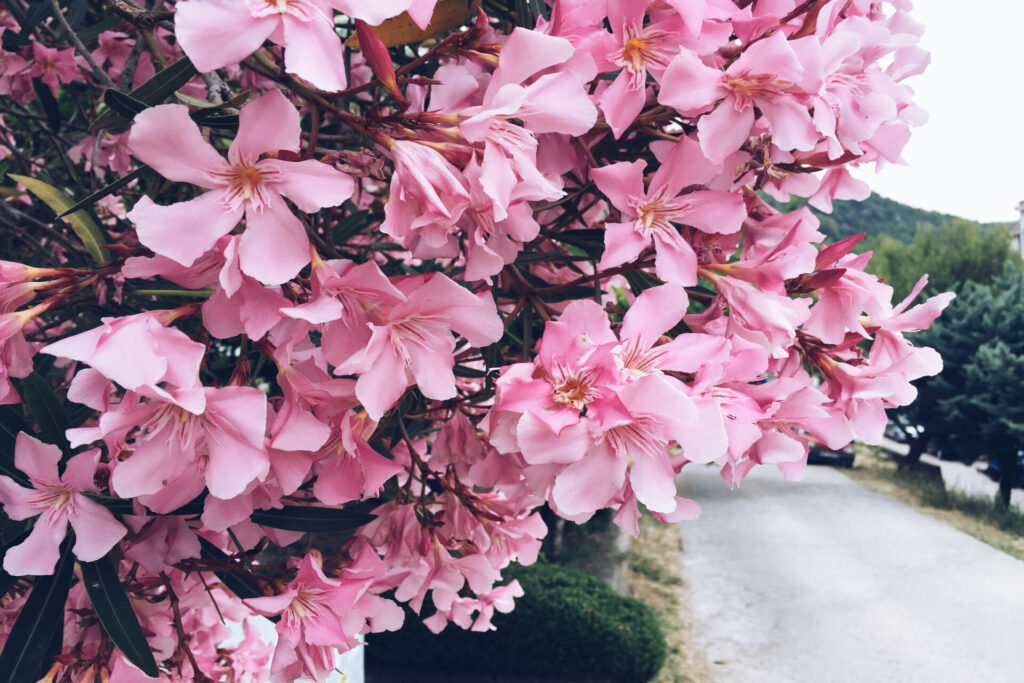
The Nerium oleander’s showy pink or white flowers and dark green leaves make it an endearing choice for privacy hedges in warmer climates like California, Texas and Florida. However, every part of the oleander is toxic, including its smoke when burned, so avoid incinerating it. Ingestion can disrupt heart rhythm and cause vomiting, abdominal pain and even death. Handling the highly toxic leaves with bare hands can cause skin irritation.
Consider camellias or azaleas, which are shrubs that thrive in similar climate zones and offer colorful blossoms without the lethal punch.
4. Foxglove
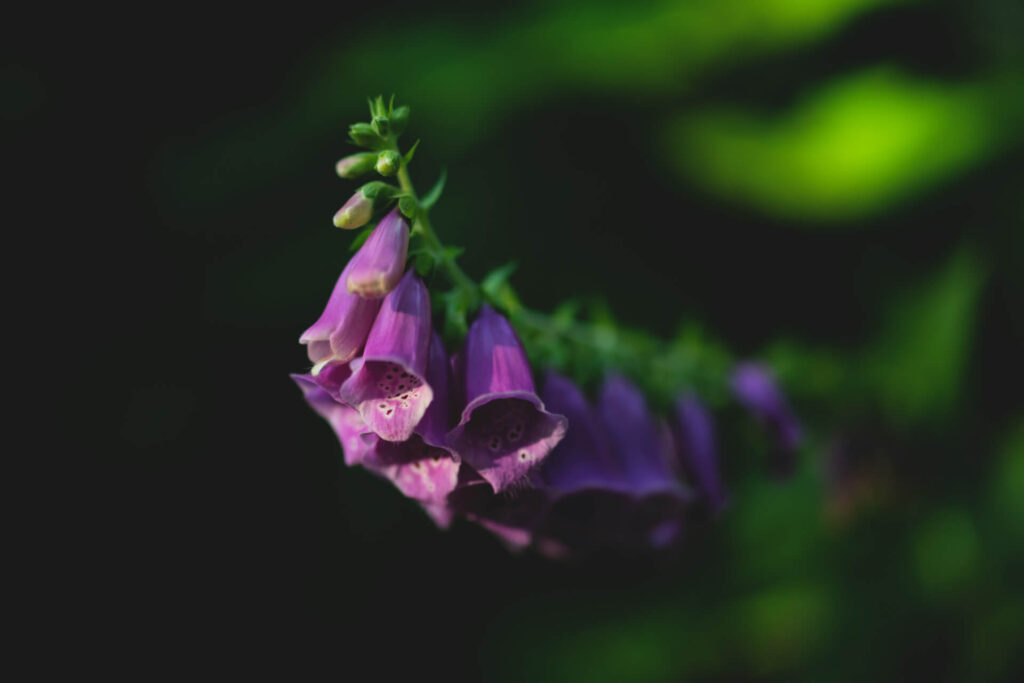
Digitalis purpurea or foxglove is a cottage garden favorite, known for tall spikes of bell-shaped blooms in purple, pink and white. While pretty, the plant contains digitalis glycoside, a compound used in heart medications. When consumed in unregulated doses, it can trigger nausea and irregular heartbeats with cardiac arrest. Its appeal to children, thanks to its fairytale looks, makes it especially dangerous, and the sweet, honeyed scent often prompts children to suck on the poisonous flowers.
If you want the same look, minus the lethal toxins, you can plant snapdragons or Antirrhinum majus instead. These flowers have a similar upright structure and colorful effect. They are also safe for children and pets.
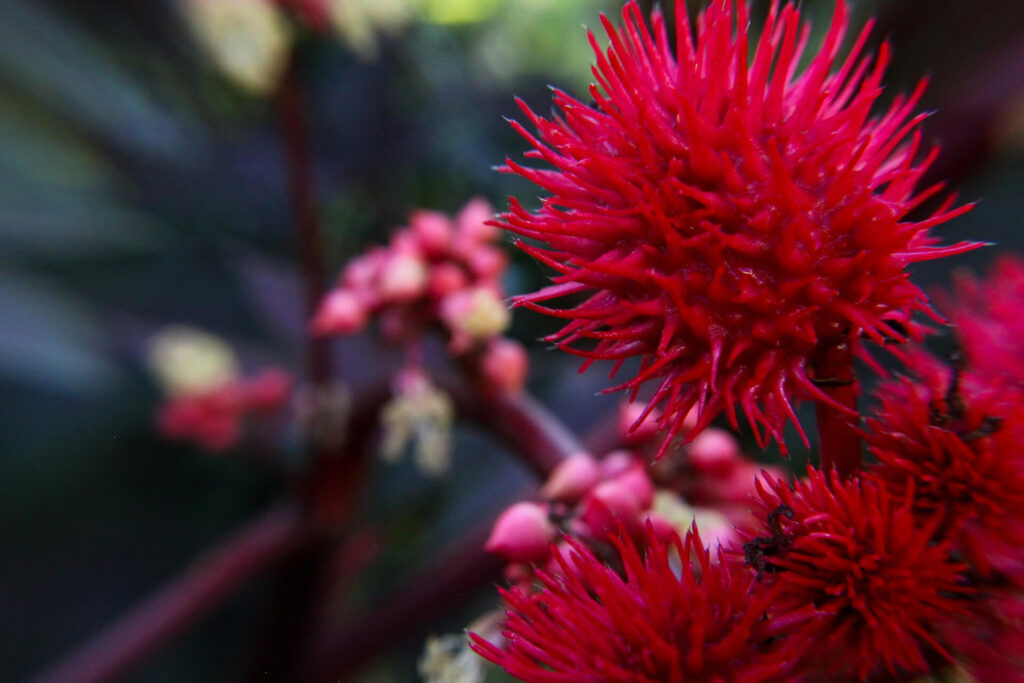
5. Caster Bean
The striking Ricinus communis may have medicinal properties in the correct doses, but the plant seeds are highly toxic. With its tropical-looking leaves and striking red seed pods, the caster bean plant is a popular choice for accent points in gardens. Ingesting even a few seeds can cause abdominal cramps, diarrhea, severe dehydration, organ failure and central nervous system shutdown within 12-48 hours of ingestion.
A safer alternative is the ornamental hibiscus, which has bold foliage and striking flowers in a massive variety of colors, resembling craft paper.

6. Autumn Crocus
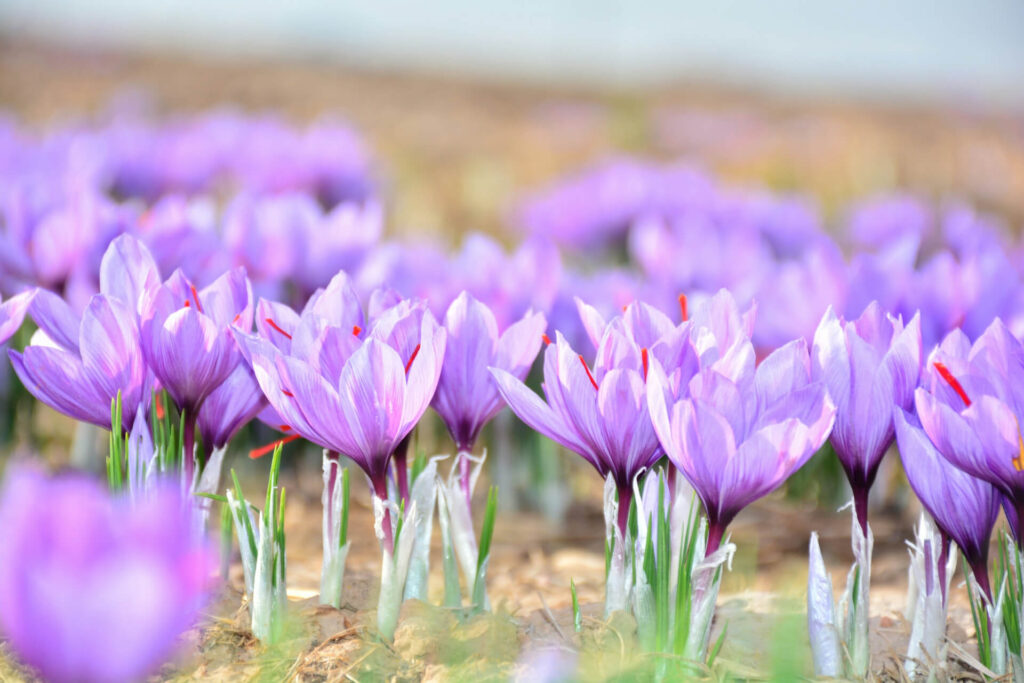
The Colchicum autumnale, or autumn crocus, is a lethal version of the popular saffron crocus, which produces saffron spice. The flowers of both plants are somewhat similar, though the autumn crocus’s blossoms have six-parted petals, and it comes in white to pink and purple shades. It has a more “raggedy” appearance than the saffron crocus.
Toxic alkaloids like colchicine in the plant seeds wreak havoc once consumed. Symptoms of poisoning include vomiting, severe bloody diarrhea and kidney failure. While the seeds are exceptionally toxic, you should avoid the whole plant.
A safe alternative is the true crocus or saffron crocus, which blooms during autumn with similarly colored flowers and none of the poisonous risks.

7. Yew
This time of year, the ever-popular yew shrubs or Taxus spp. start to put on a show of green needle leaves and bright red berries in privacy hedges and gardens across the U.S. Sadly, not many Americans realize how toxic these woody shrubs can be.
Every part of the yew, except for the fruit’s flesh, is highly poisonous as it contains taxine, a toxic alkaloid. Consuming even a small amount can cause sudden cardiac arrest. Livestock and pets are especially vulnerable. If you have pets or kids, planting yew is a recipe for disaster.
Instead, you can plant arborvitae or Thuja spp., another evergreen shrub that provides year-round greenery without a deadly legacy.
Poisonous Plants Safety Tips
Sadly, plants don’t advertise their toxicity, and some poisonous ones appear quite similar to perfectly harmless ones. With its three connected leaves, poison ivy is likely the least of your worries, as it causes a topical reaction to the urushiol oil, but it’s not lethal or toxic.
Keeping your family safe requires treating all plants respectfully, avoiding touching unfamiliar ones and washing your hands immediately after handling any.
To protect your family at any time of the year, you should:
- Learn about identifying and removing dangerous plants from your yard: Resources like your state’s extension office or the ASPCA’s lethal plants list can help. Several plant identification apps are also freely available for a more detailed take on whether something is safe.
- Educate children early: Teach your kids about dangerous plants for children and to never to eat berries, leaves or flowers from the yard unless given by an informed adult.
- Fence off high-risk areas: If your property borders wetlands or forests, install barriers to keep pets and kids away from wild growth.
- Handle with care: Always wear gloves when pruning or disposing of suspect plants. Though incineration may be safe at professional combustion facilities, never burn toxic trimmings at home.
- Know first aid: Wondering what to do if your child eats a poisonous plant? Call Poison Control at 1-800-222-1222 immediately if poisoning is even suspected. Train in first aid for poisonous plant exposure.
FAQ
What Do You Do If You Have a Poisonous Plant in Your Yard?
Identify the plant correctly using a plant identification app or consulting local authorities. Remove the plant by using full protective gear so you don’t make contact with it. Bag and dispose of it at a landfill or contact your local Fish and Wildlife Services for aid when identifying and removing poisonous plants.
What Are the First Signs of Plant Poisoning?
Symptoms vary but often include vomiting, diarrhea, abdominal cramps, dizziness or seizures. With lethal plants, cardiac symptoms and fever may occur.
Which Poisonous Plants Are Most Dangerous for Pets?
Oleander, yew, foxglove and caster bean are particularly lethal for dogs and cats, but even animals like farm animals and birds can be poisoned.
Creating a Safe Garden for Children and Pets
Your garden should be a retreat, not a hidden hazard. Lethal garden plants may look beautiful, but can endanger pets, children and unsuspecting trick-or-treating visitors in your yard. Toxic plants and pets don’t mix, and they’re unsafe to people, too.
By replacing dangerous species with safe alternatives, you can enjoy a thriving, vibrant yard while knowing you’ve taken steps to protect your family from poisonous plants.
About The Author
Rose is the managing editor of Renovated and a dedicated freelance writer with over six years of experience in the home and garden industry. Her passion for landscaping and sustainable practices is deeply rooted in her upbringing — growing up in a family of contractors, she was exposed to the world of construction and design from a young age. This hands-on experience fostered her love for nature and gardening, giving her a green thumb and a keen eye for creating beautiful outdoor spaces.
Throughout her career, Rose has honed her expertise in researching and writing about sustainable construction practices, focusing on innovative technologies that enhance the built environment while minimizing environmental impact. She is particularly interested in green roofing, water-efficient landscaping, and integrating native plants in design, all reflecting her commitment to sustainability. Rose's work has appeared in various publications, where she shares valuable insights and practical tips for seasoned professionals and novice DIY-ers.
In addition to her writing, Rose enjoys collaborating with landscape architects and contractors on projects that emphasize eco-friendly design and sustainable materials. She believes that every garden has the potential to be a vibrant ecosystem and works to inspire others to create spaces that are not only beautiful but also environmentally responsible.