I Switched to a Clover Lawn and Never Looked Back — Here’s Why You Should Too

We are reader-supported. When you buy through links on our site, we may earn an affiliate commission.
I switched to a clover lawn for three simple reasons — lower maintenance, lower water bills and a yard that actually looked good without constant work. The result? A resilient, soft, pollinator-friendly lawn that costs less to maintain and stays green longer. If you’d told me five years ago that I’d rip out a perfectly normal grass lawn and replace it with clover, I would have laughed. But after years of watering, fertilizing, reseeding and fighting brown patches every summer, I was ready for a change.
If you’re considering the same move, here’s everything you need to know.
What Is a Clover Lawn?

A clover lawn replaces traditional turfgrass — or mixes with it — using clover varieties. The most popular options are:
- Microclover: A smaller-leafed variety of white clover that blends well with grass and creates a dense, uniform look.
- White clover: What you probably think of as clover — widely used, and tends to be slightly taller and more visibly “clover-like”.
- Red clover: Attractive red or purple flowers, but grows considerably taller than white clover and may tend to grow in clumps.
You can overseed clover into your existing lawn, remove the turfgrass entirely and replace with clover, or create a mixed clover-grass lawn.
Why Should You Switch to a Clover Lawn?
Short answer: less work, less water, fewer chemicals and a healthier yard. For me, there were five compelling reasons to make the switch.
1. Clover Requires Far Less Water
Clover has deeper roots than most cool-season turfgrasses. Once established, it tolerates drought extremely well and stays green long into dry spells. It needs little to no watering much of the time, only requiring deep watering once every seven days or so in drought. I cut my summer watering nearly in half. With many parts of the U.S. facing water restrictions, this alone makes clover worth considering.

2. Clover Fertilizes Itself (Yes, Really)
Clover is a highly efficient nitrogen-fixing plant. That means it pulls nitrogen from the air and converts it into a form plants can use. This means you don’t need to apply synthetic nitrogen fertilizer, saving you money. If you mix clover into a grass lawn, it will actually feed the grass around it.
3. It Crowds Out Weeds
A dense clover lawn forms a tight mat that naturally suppresses weeds, which struggle to break through. I noticed far fewer dandelions and crabgrass without using herbicides. Note that broadleaf weed killers kill clover, too. If you rely heavily on chemical weed control, this switch requires a mindset change.
4. It’s Softer Underfoot
Clover feels luxurious underfoot. It’s soft, cushiony and cool. My yard became noticeably more comfortable for barefoot walks and for my pets.
5. It Supports Pollinators
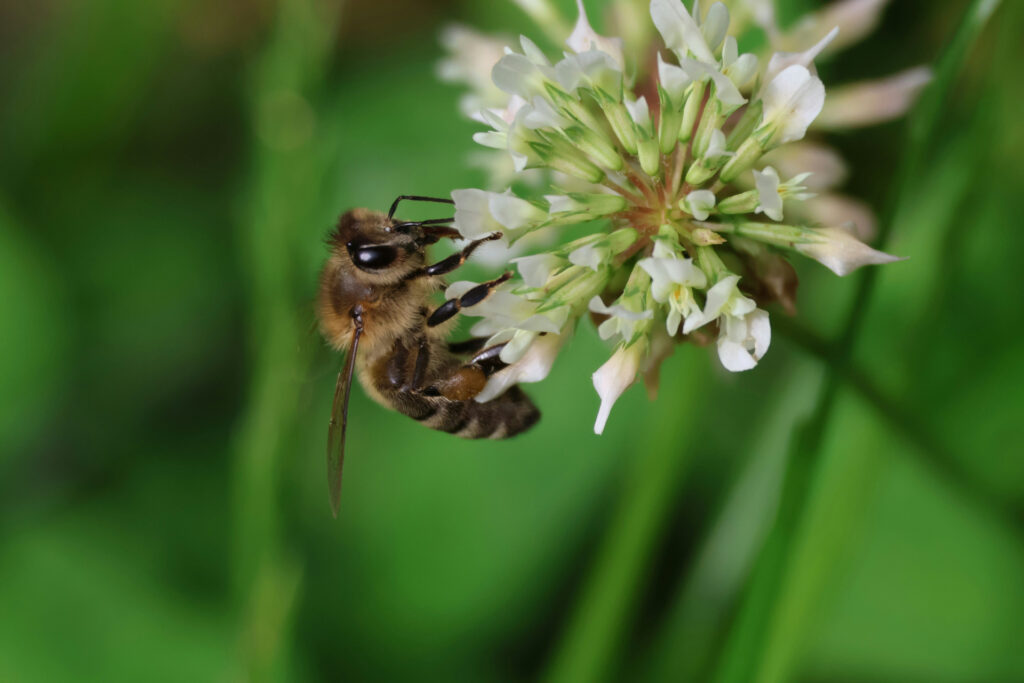
If allowed to flower, clover provides nectar for bees and other pollinators — something traditional turfgrass does not. In the global food supply, one-third of our food depends on pollinators, and they are in decline worldwide. If sustainable gardening matters to you, then clover ticks a lot of boxes. It’s wildlife-friendly, conserves water and reduces chemical use. All while looking lush and beautiful.
When Is the Best Time to Plant a Clover Lawn?
When to plant a clover lawn depends on your convenience. The best planting times are early spring, after the last frost, or late summer to early fall, four to six weeks before the first frost. Spring provides more light for fast establishment, while fall lets the roots grow deep in cool, moist conditions before winter.
How To Plant a Clover Lawn
Here’s what I did:
- Remove existing turf with a sod cutter
- Loosen the top 1-2 inches of soil
- Spread the seed evenly
- Press into the soil lightly
- Keep the soil consistently moist until germination — about 7 days
- Let it do its thing
Alternatively, if you want to overseed into existing grass:
- Mow your lawn short to 1.5 inches
- Rake to expose soil
- Spread clover seed evenly
- Lightly rake or roll to ensure soil contact
- Water lightly and consistently for about 7-10 days
You will need around 4 to 7 pounds of clover seed per 1,000 square feet of yard. For a mixed lawn, you can halve that.
How Often Should You Mow a Clover Lawn?
The beauty of clover is how little it demands. It only needs mowing every 4-6 weeks. If you prefer a tidier look, you can mow every 2-3 weeks, but that is a personal preference. I mow mine in mid-summer after the flowers have browned and again in late fall.
Clover self-seeds easily, but you can overseed thin areas in spring or fall if needed.
Clover Lawn Versus Traditional Grass — A Comparison
| Feature | Turfgrass | Clover Lawn |
| Water Needs | Moderate to high | Low — moderate during first week |
| Fertilizer | Regular nitrogen required | Self-fertilizing |
| Mowing | Weekly in the growing season | Every 4-6 weeks |
| Drought Tolerance | Varies | Excellent |
| Weed Control | Typically chemically based | Natural suppression |
| Pollinator Support | Minimal | High when flowering |
Is Microclover Better Than Regular White Clover?
That depends on your goals.
Microclover has smaller leaves, blends more seamlessly with grass and has a lower profile appearance. White clover is slightly taller, has more visible flowers and gives a more traditional meadow aesthetic.
I went with white clover, firstly because I love the look, but secondly because it’s cheaper and outcompetes weeds better. However, if curb appeal in a suburban neighborhood is your priority, microclover may be the better choice.
Are Clover Lawns Pet-Friendly?
Absolutely. They are soft, cool to lie on and do not turn yellow under pet urine or waste, unlike grass. Pet-friendly gardens or “barkitecture”, as it has been named, is set to be a huge trend this year, according to the 2026 Garden Trends Report.

What Are the Downsides of Clover Lawns?
No lawn is perfect, and what works for one home may not work for another. Clover lawns are not suitable for everyone.
Heavy traffic: Clover handles moderate foot traffic well, but high-use areas like sports play zones may thin out.
Clothing stains: Fresh clover leaves green marks more easily than turfgrass.
HOA restrictions: Some homeowner associations may object to non-traditional lawns. Always check regulations before converting.
Stinging insects: Clover attracts pollinators like bees and other insects. If you have young children or are sensitive to stings, this may be a consideration.
Winter dormancy: In colder northern states, clover may brown out during winter months, similar to many grasses.
Frequently Asked Questions About Clover Lawns
Does clover attract more bees than grass?
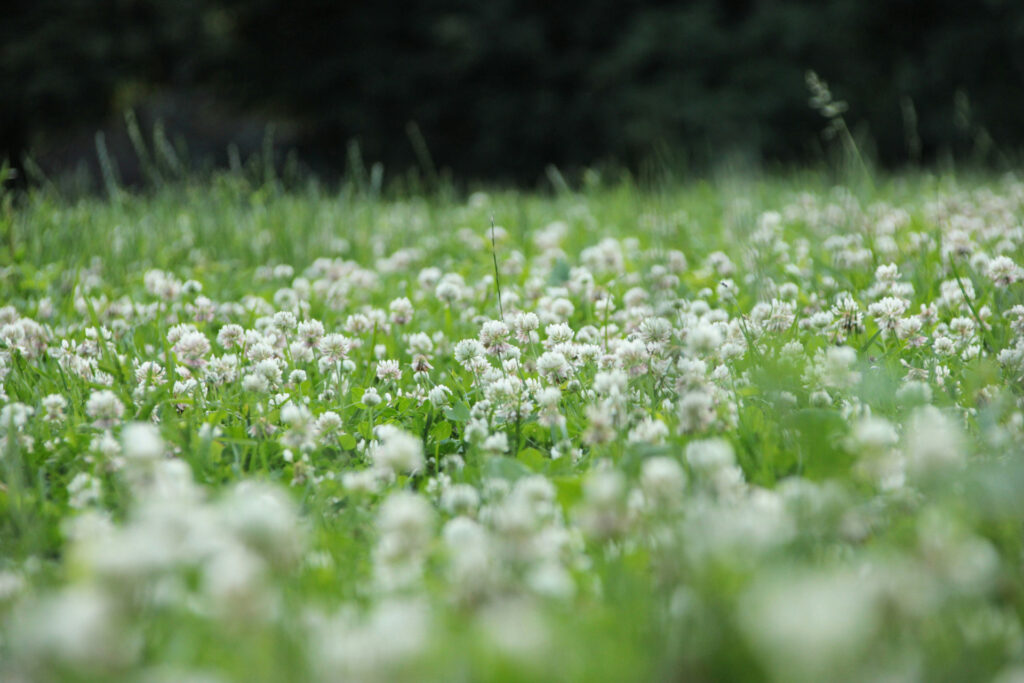
Yes, if you allow it to flower. Attracting pollinators is a key environmental benefit of this type of lawn. However, if you are concerned about potential stings, mowing before blooms appear reduces bee activity.
How long does it take for a clover lawn to establish?
Clover germinates within 7-10 days if the soil is kept moist. Full establishment typically takes around 6-8 weeks.
Can I convert part of my lawn instead of my whole yard?
Absolutely. Many homeowners test clover in small sections before expanding.
Will clover take over my yard?
While clover spreads easily, it is not classified as invasive. It can be controlled through mowing and edging.
Is a clover lawn lucky?

Well, it’s lucky for your local wildlife and pollinators, and lucky for you too if you think saving water and effort on maintenance matters. Will you find a four-leaf clover hidden in your lawn? Scientists estimate that the genetic mutation that causes this occurs in about 1 in every 5,000 to 10,000 clovers, and there may be 200 clovers in a square foot of your yard. So there are probably a few in there somewhere, if you look closely enough!
Is a Clover Lawn Worth It?
For me, the switch wasn’t about following a trend. It was about reclaiming my weekends, reducing the constant maintenance cycle and doing a small bit for the environment. If you’re tired of fighting your lawn, a clover lawn offers an attractive, practical, eco-friendly alternative. It’s greener — literally and environmentally — plus softer, cheaper to maintain and surprisingly beautiful. And once you make the switch, you may never look back either.
About The Author
Peter is an associate editor for Renovated with over 5 years of experience writing in the home improvement and real estate sectors. He grew up learning woodworking and DIY skills from his grandfather, giving him a unique perspective on home renovation and maintenance. His personal interest in business has also led to him becoming a well-informed voice in the real estate world. He specializes in offering insightful, practical advice to new homeowners, guiding them on how to maximize their ROI.
When Peter has downtime, you'll find him at the top of a mountain, enjoying a scenic view. He also spends a lot of time cultivating his vegetable garden and tinkering in his woodshop.