
We are reader-supported. When you buy through links on our site, we may earn an affiliate commission.
Perhaps you’ve heard about the hygge style. Many may already have embraced it without realizing it. Hygge is about using design to elevate your sense of joy and comfort. Here’s everything you need to know about this lifestyle aesthetic as fall turns to winter.
Hygge — pronounced hyoo-guh — is embedded in Danish culture. The concept means “coziness,” or finding joy in life’s simple pleasures. Think of sitting by a crackling fire on a cold winter night or enjoying a potluck dinner with close family and friends — this is hygge.
As Harvard Medical School clinical health psychologist Natalie Dattilo says, it’s a mindset prioritizing slow living, gratitude, social connectedness and feeling content. With so many people embracing this lifestyle innately, it’s no wonder one of the coldest Scandinavian countries is also the second happiest place worldwide.
While cozy living is more about experiences and feelings than things, adopting the hygge style as your home decor enhances the soothing, content atmosphere for greater emotional comfort, especially when fighting the winter blues.
Author and CEO of The Happiness Research Institute, Meik Wiking, outlines the core principles of hygge in his international bestseller, The Little Book of Hygge. His manifesto was so influential that it sparked a flurry of related cozy living books, amassed 1.5 million Instagram posts, and marked 2016 as the “year of hygge.”
The hygge manifesto is broken down as follows:
Of course, what the concept represents to one person might differ for you, making “individual interpretation” the final principle. Essentially, you must discover whatever makes you feel hyggeligt.
If winter blues have you feeling down or you just want to enjoy more of life’s offerings, bringing the hygge style into your personal space is a great place to start. Consider what will create comfort and coziness — what rooms will you spend the most time in? Which activities will make you happier? Then, reflect on the design elements you can incorporate into different rooms for a hyggeligt environment.
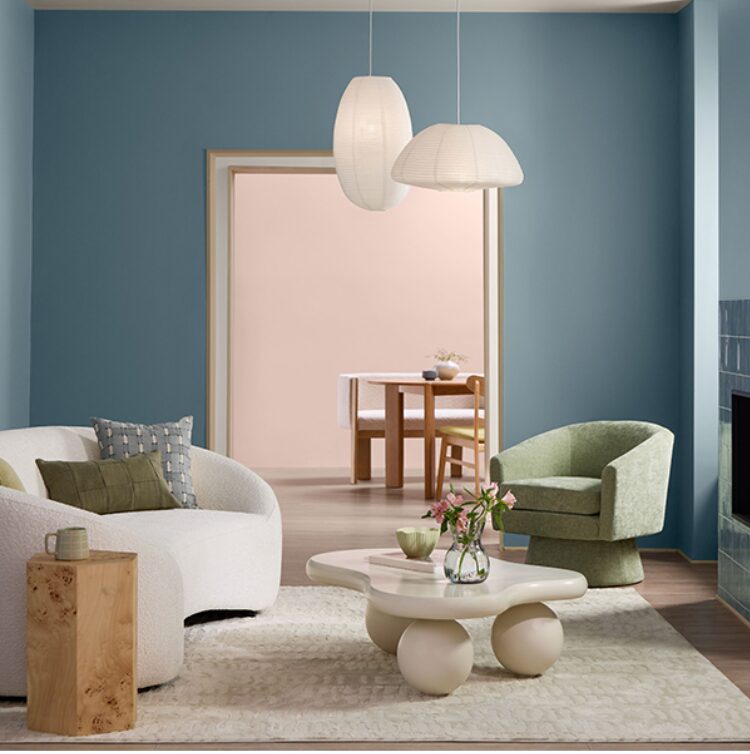
Neutral tones are a foundation for hygge design, creating balance and intention in the space to avoid overwhelm. Although the entire house doesn’t have to have a bland palette, warm, neutral tones will serve as a backdrop for whatever other colors you add.
Soothing the senses is key — therefore, you may want to stray from ultra-bright or bold colors. For visual intrigue and texture, bringing nature into the design — wood with natural grain, greenery and other earthly components — will infuse warmth.
Soft textiles are an opportunity to incorporate texture into your hygge space. Purchase knit throw blankets, velvet decorative pillows and shag or another high-pile rug — something you can sink your toes into for a sensory experience.
You can get creative with textiles by breaking up muted tones with pops of color and patterns. Some design enthusiasts choose to layer area rugs or swap items out for each season.

Danish people know a thing or two about using candles to bring hygge to their lives. The Danish Lung Association says one Dane will burn 3.5 kilograms — about 7.7 pounds — of candles annually. Is it the safest or healthiest Nordic tradition? Not quite — 60% of fine particulate matter in Danish households derives from candles.
Nevertheless, illumination is a cornerstone of the hygge style. You may choose cozy, warm scents like cinnamon and vanilla or unscented candles for a simple, low light. To be safe, consider small lamps throughout your home to avoid using harsh ceiling lights or risk setting your house on fire.
Nostalgia and familiarity should bring you greater joy. Therefore, filling a home with cherished family heirlooms, photographs, and artwork is a great way to personalize your environment. Add a few framed photos to built-in shelves in the living room, or create a polished gallery wall going up the staircase.
You might even hang paintings reflective of the things you love. For instance, if gardening in the summer makes you feel hyggeligt, add a large floral canvas behind your bed. If you hold happy memories of your grandmother’s tea set, display it in the china cabinet.
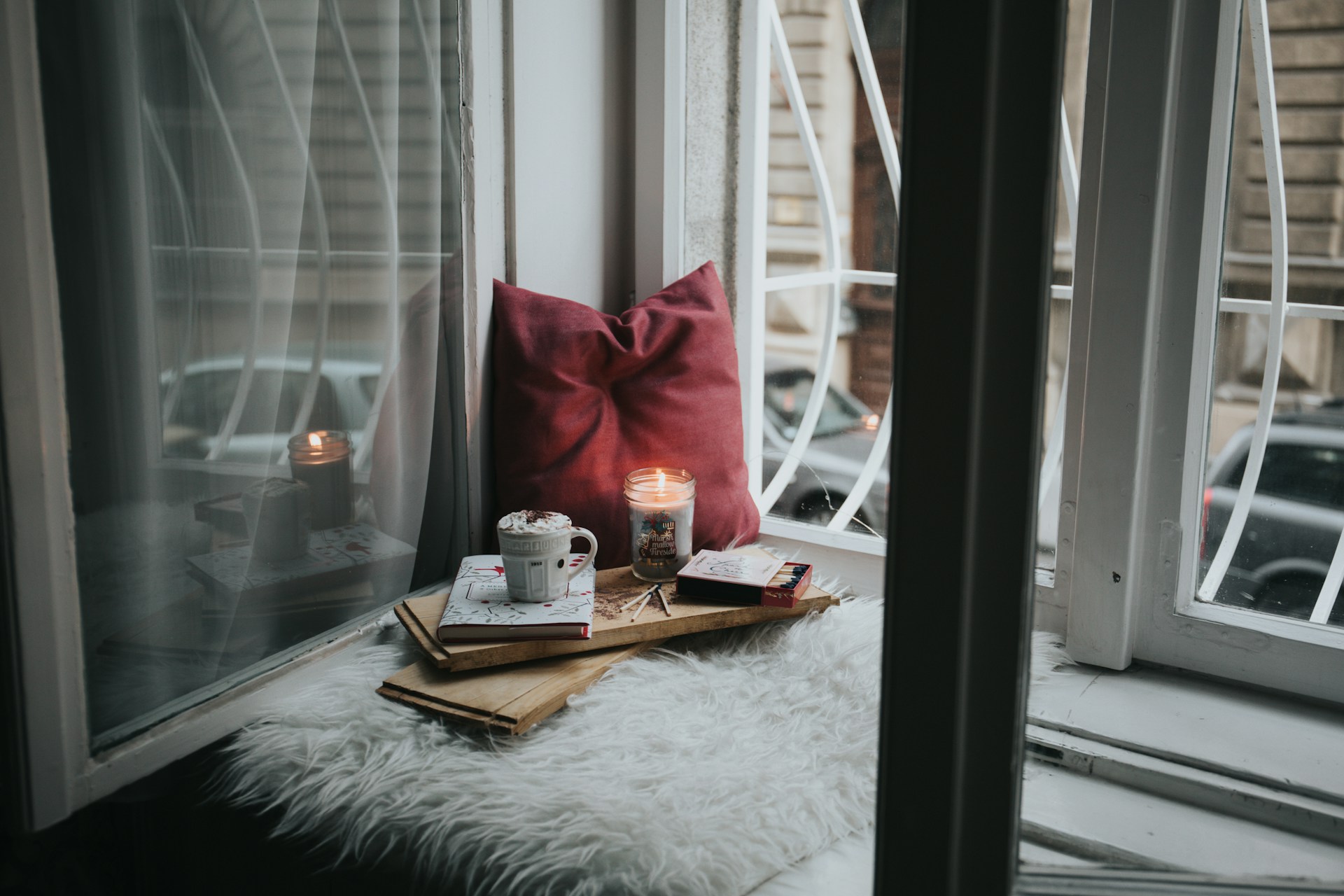
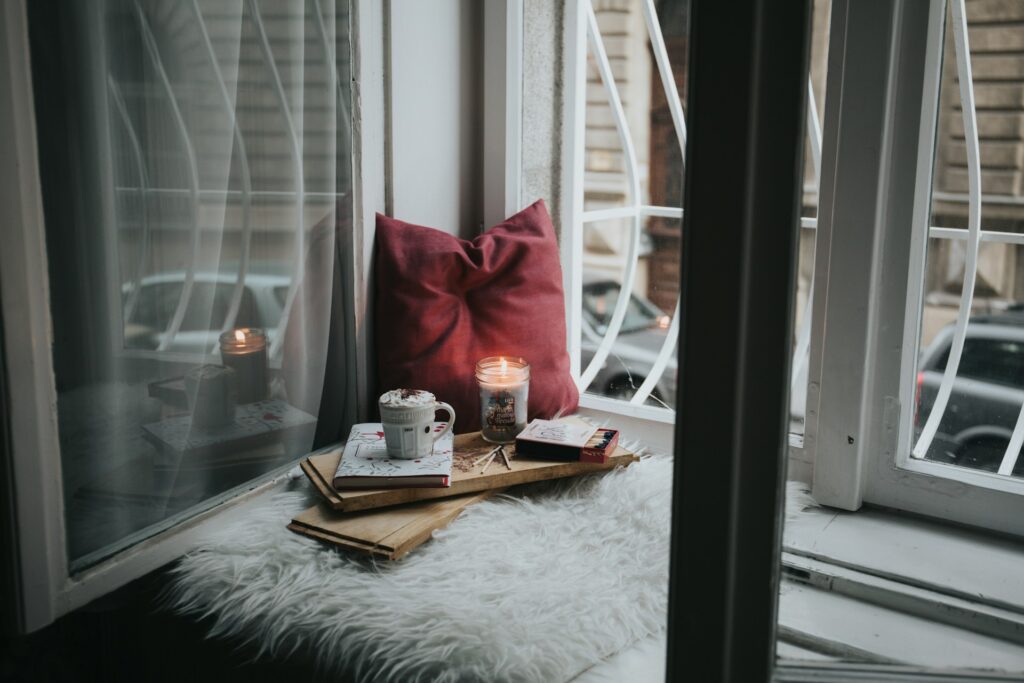
There’s nothing more joyful than cozying up in a nook when it’s snowing outside. Find an empty corner for a vintage armchair and accent table. A lamp with a warm light bulb will be just enough for reading a book in the evening. You can also add a small bookcase to organize the books you’ve yet to read. Some people just like a tight space to watch the changing seasons out a window for hours on end.
Don’t overlook the bathroom when making your home more hyggeligt. Soaking in a tub is a warming, comfortable experience for relaxation during the colder months. Some ideas for a mini at-home spa could include:

The kitchen is one of the most essential rooms in the house, where people spend most of their time cooking, eating and connecting. These feel-good happenings can be made even better with the hygge style.
For instance, a large wooden dining table creates a natural element and provides space for togetherness. Decorative items like cookie jars, tiered cake stands, and glass drinkware are ideal for sweet indulgences and breaking open a bottle of wine.
Whether there’s snow on the ground or it’s a hot summer day, creating a hyggeligt life is good for the soul. Remember, the hygge style is less about styling your home for a particular aesthetic and more about enhancing the joy and experiences you have daily.