
We are reader-supported. When you buy through links on our site, we may earn an affiliate commission.
Living in an apartment can become costly. While you can’t control how much your landlord charges for rent or the additional fees that come with living on their property, you can reduce your utility bills to relieve some financial stress. Discover eight ways to save money on utilities in an apartment without breaking your lease or significantly changing your routine.
Depending on the terms of your lease, you may be responsible for electricity, natural gas, internet, water, sewer, trash or security. One of the easiest ways to save begins with your thermostat.
The U.S. Department of Energy says you can save around 1% on heating bills for each 1° Fahrenheit setback over eight hours. Setting it slightly higher in the summer and lower in the winter means your heating, ventilation and air conditioning (HVAC) unit doesn’t have to turn on as frequently.
Apartment List’s September 2026 analysis of 2024 Census data found that renters paid about $201 per month for utilities and fuel in addition to rent, depending on unit size, location, lease terms and utility usage. Using your HVAC unit less often results in a more economical electric bill.
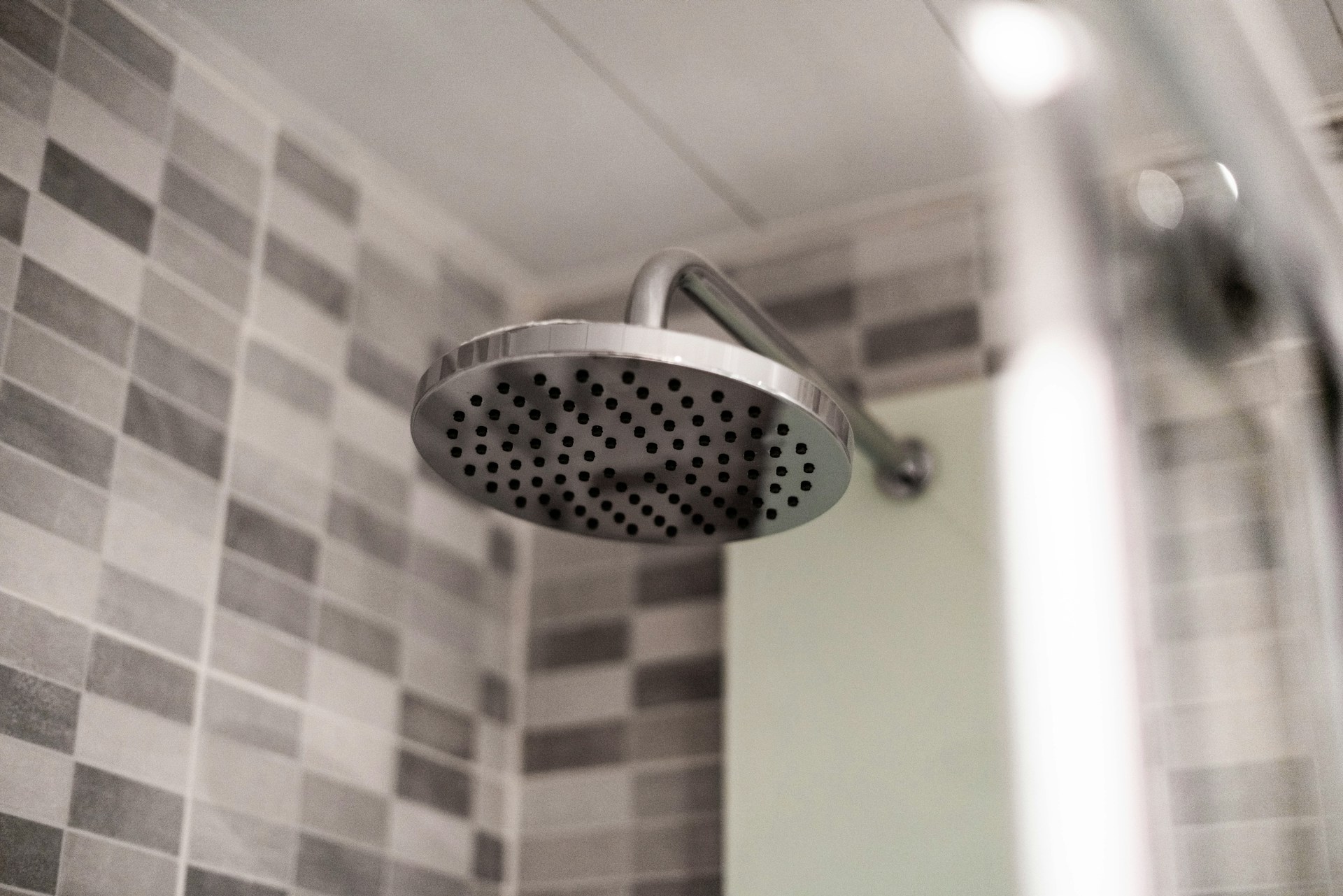
Showers use a lot of water, especially if you like to take your time or use hot water to relax after a long day. Setting a ten-minute timer ensures you’ll minimize your water usage and reduce your monthly bill.
As you reduce your monthly water bill, you might put your extra money in a high-yield savings account to eventually buy a house. Saving a little bit every month may accrue enough money to help you afford your dream home.
You can’t control which washer and dryer come with your unit, and you can’t swap your kitchen appliances for eco-friendly alternatives. Although tenants often feel limited, you have complete control over your electronics.
When upgrading your electronics, look for ENERGY STAR certified personal electronics, including TVs, computers and phones. These products can help you save energy and money, especially when you unplug them when they aren’t in use.
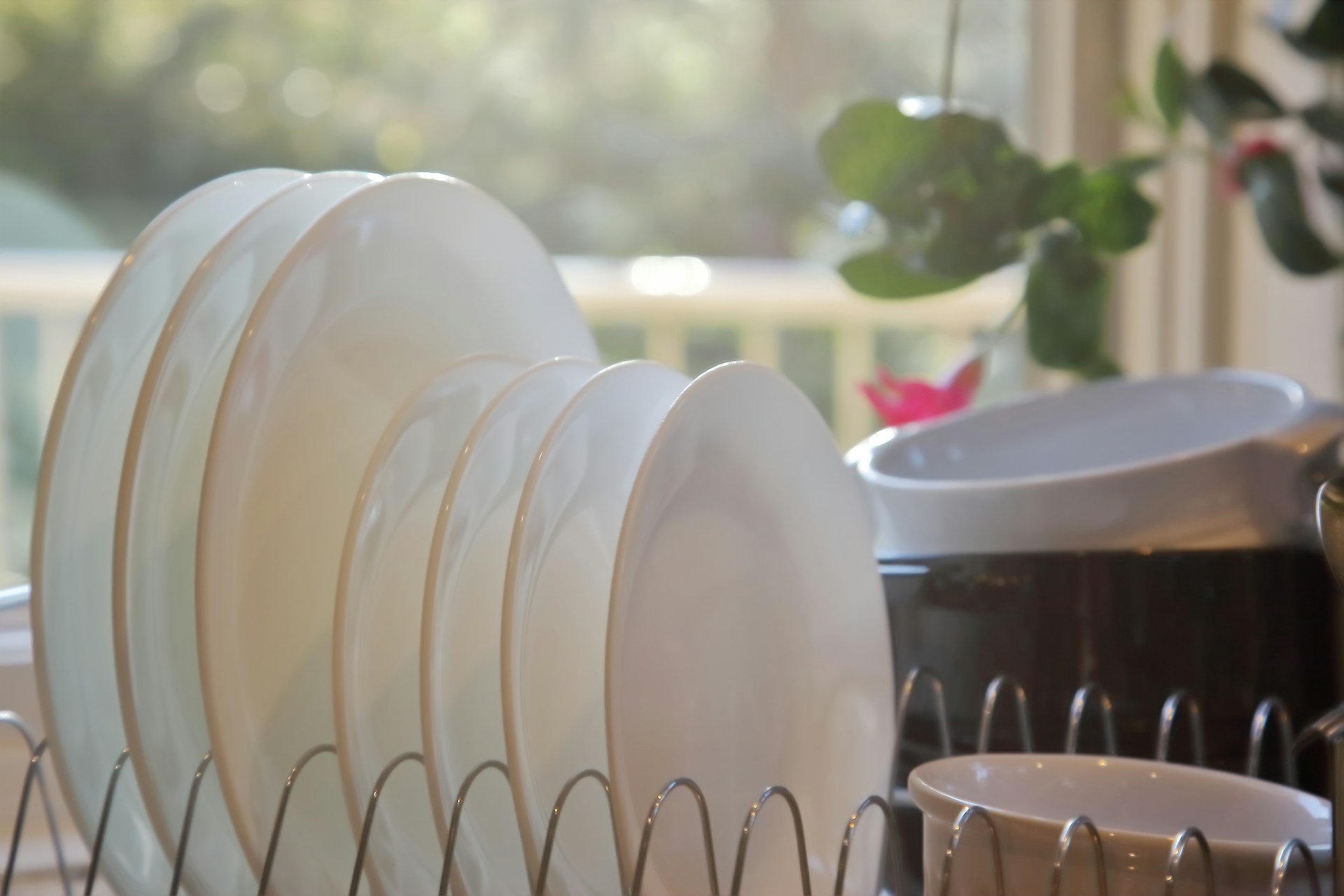
Many modern dishwashers conserve energy, water and time. If your unit has a dishwasher, create a full load before running it and turn off any heated dry option to maximize its efficiency.
If you don’t have a dishwasher, you can utilize the double-sink handwashing method. You can soak your dishes in hot, soapy water, and then wash and rinse them in a second basin of cold water. It is well-suited for small, daily loads in your apartment.
When your HVAC unit turns on, it draws air through vents inside your home. After cooling or heating that air, the system removes the moisture and pushes it back into your home through the floor or ceiling ducts. This can influence how much your utilities cost.
Air return vents have filters to catch dust and clean the air, and they should be replaced every 3 months or after natural disasters that may affect air quality. If your landlord doesn’t replace them for you, you can replace them yourself with energy-efficient filters. The investment can prevent your HVAC unit from working twice as hard to maintain your thermostat’s temperature.
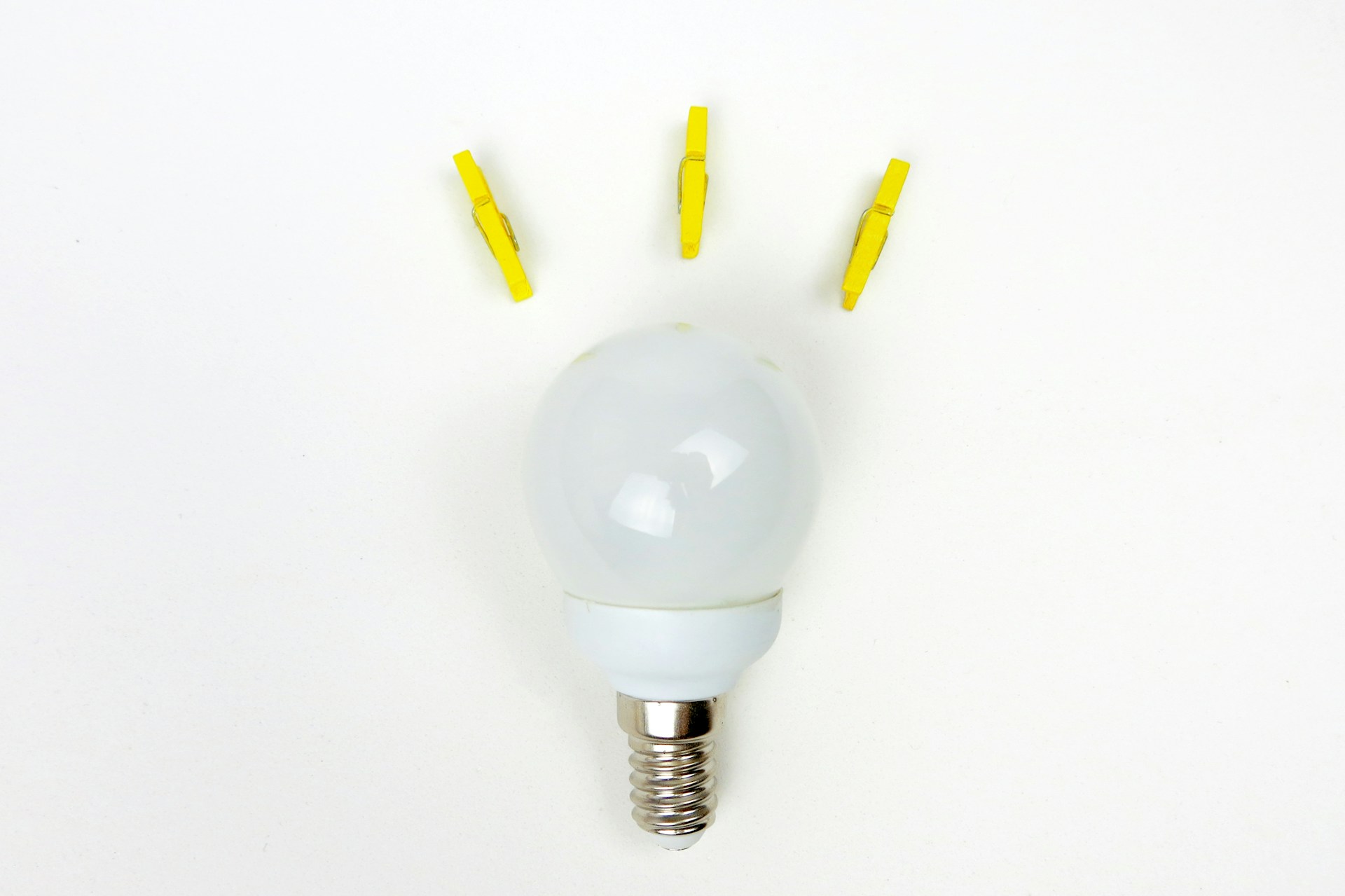
Light-emitting diode (LED) bulbs are more energy-efficient than traditional incandescent bulbs. They are also made with more durable epoxy lenses and remain cooler than other bulb types.
You can choose LED bulbs for your lamps and any permanently installed lighting fixtures. They’ll use less electricity when you need extra light in your apartment without breaking any of your lease requirements.
Closed curtains can trap warm air inside, keeping your apartment temperature more stable during cooler months. They can also block unwanted light and reduce noise. Most insulated curtains include the following components:
Even if your apartment includes a washing machine and dryer, you might decide to hang your clothes to dry. Along with saving money on dryer runs, air-drying can also prevent fabric from shrinking or fading, helping your clothes stay in good shape for longer.
You can hang your clothes on a rack, drape them over other furniture or lay them on a flat surface. Review the care label on each garment to determine the ideal drying method, such as line-drying or drip-drying.
Learn more about reducing the cost of utilities in an apartment.
How much utilities cost in an apartment depends on its size and location, as well as your lease terms and utility usage. Renters paid about $201 per month for utilities and fuel in 2024.
Apartments.com shares that renters typically pay for electricity, natural gas and internet. You may also need to cover water, sewer, trash and security, depending on your specific lease agreements.
LED lightbulbs are considered the most energy-efficient option. These use less energy, stay cooler and are more durable than incandescent bulbs. You can swap out current apartment bulbs with LED options.
Learning how to save money on utilities in an apartment can benefit your wallet and the planet. Consider trying one or more of these tips in your unit to minimize your monthly spending while renting and increase savings toward your financial goals.
Note: This article was first published on September 1, 2021, and was revised on October 29, 2026, to reflect the most current information.