
We are reader-supported. When you buy through links on our site, we may earn an affiliate commission.
If you’re subject to a humid climate, you already understand the significance it can play in your daily life — influencing your comfort, health and home maintenance. High humidity raises perspiration levels, encourages mold growth and provides many other challenges for homeowners in some areas of the United States. Do you live in one of the top 10 most humid cities in the U.S., though?
Living in one of these humid cities can be challenging, but with the proper knowledge and strategies, you can effectively manage these obstacles to create a comfortable living environment.
Humidity is the amount of moisture in the air, with two different types commonly accepted. Absolute humidity measures the actual weight of water vapor in a given volume of air, while relative humidity compares the current amount of moisture in the air to the maximum amount it can hold at that temperature.
For this article, relative humidity, as measured by hygrometers, will serve as the guideline. A comfortable indoor relative humidity level typically ranges from 30% to 50% as within this range, you will generally feel relaxed and be most productive. When humidity rises above 50%, discomfort often sets in and can lead to health problems, driven by factors such as mold growth. Conversely, humidity levels below 30% can cause dry skin and respiratory problems. Understanding humidity is key to ensuring a healthy and comfortable living environment.
Several scientific factors influence humidity, with the presence of water vapor, temperature and dew point being primary among them. Warm air holds more moisture than cold air, so higher temperatures typically lead to higher humidity levels. If you live in a city located near a large body of water — like a lake, river or ocean — you’ll likely experience higher humidity because these water sources evaporate into the air.
The Gulf Coast region, where you’ll find many of the most humid U.S. cities, is particularly prone to high humidity due to its warm climate and proximity to the Gulf of Mexico. This area experiences frequent warm air masses that absorb moisture from the sea, resulting in elevated humidity. In fact, Louisiana is among the states with the most hot and humid cities in the U.S., with cities like New Orleans and Lake Charles among the highest in annual humidity.
Asking the above question means being prepared for a subjective answer, which will depend on whether you’re talking about pure temperature or how hot the city actually feels. High humidity can make even slightly elevated temperatures feel more oppressive and uncomfortable. The excess moisture in the air of these humid cities prevents sweat — your body’s natural cooling mechanism — from evaporating from your skin.
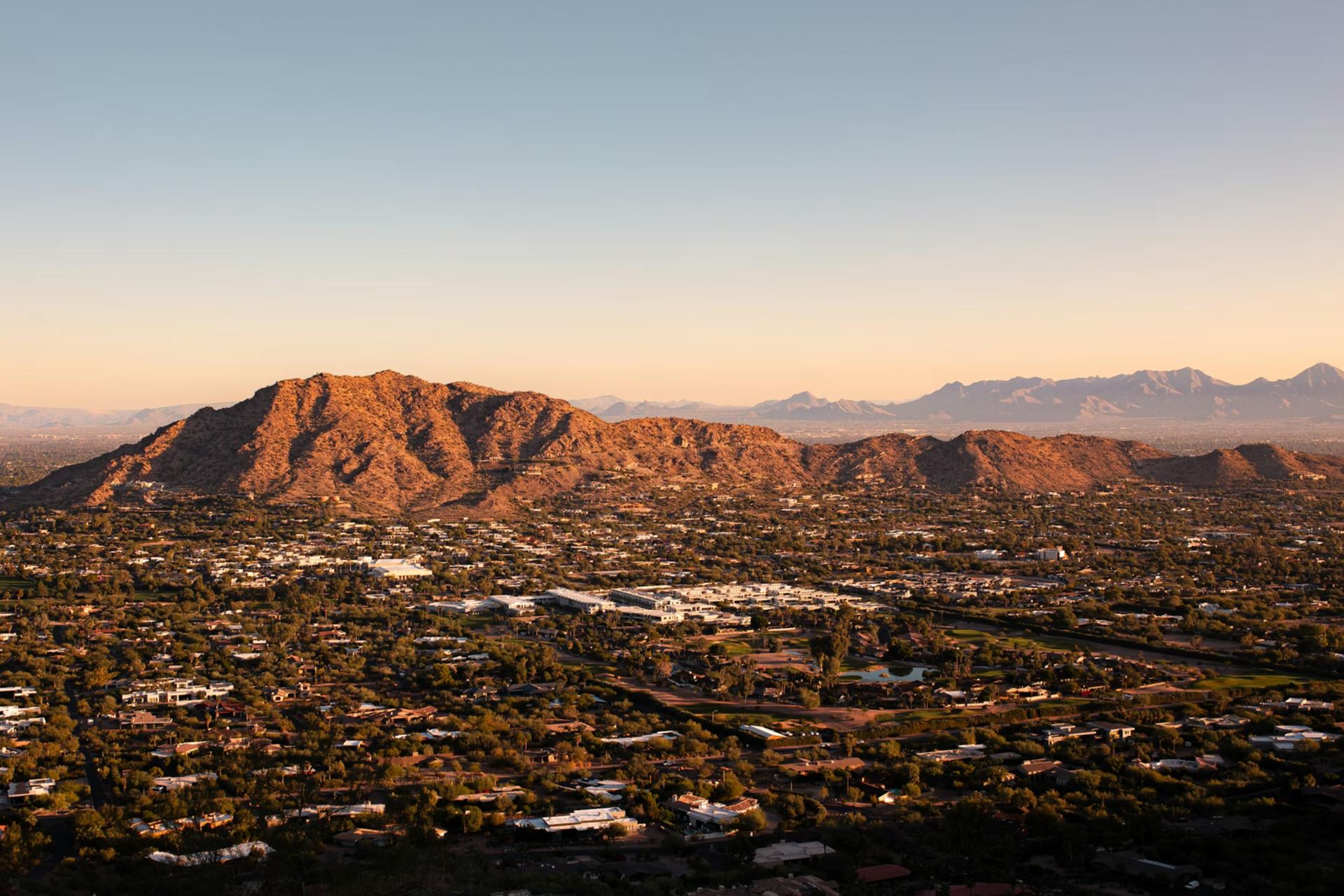
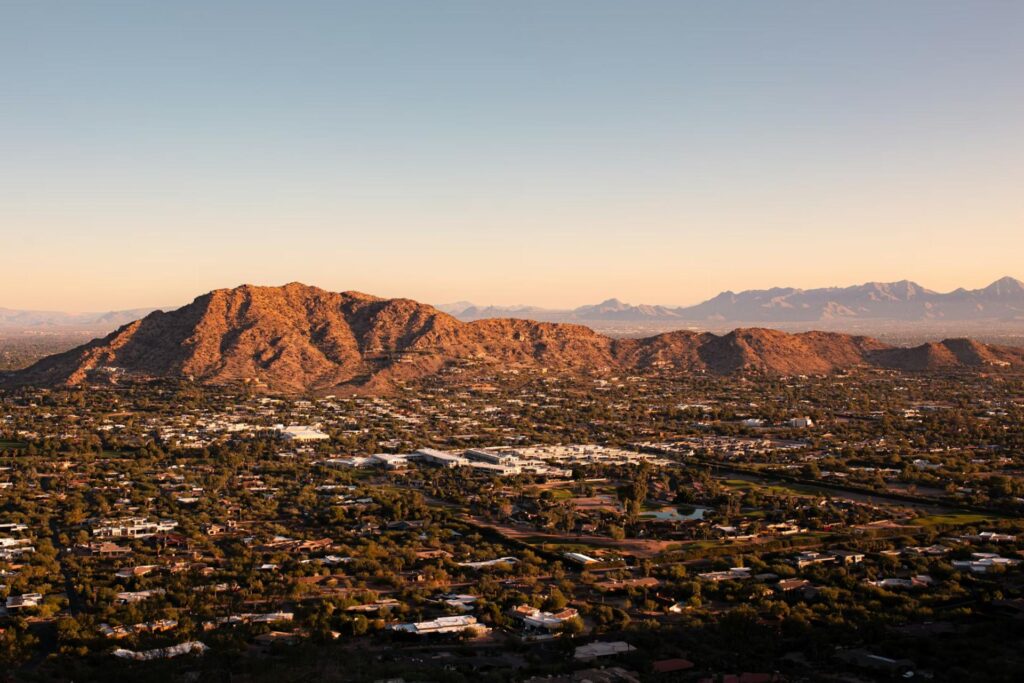
Desert cities, mainly those in the Southwest, often record the highest average annual temperatures, with Phoenix, AZ, in the Sonoran Desert recording the highest at 75.4° Fahrenheit. In 2024, the city recorded 113 consecutive days with temperatures topping 100° Fahrenheit. Despite this desert city’s high annual temperatures, it still doesn’t feel as hot and sticky as those with the highest humidity readings.
The following chart shows the 10 U.S. cities with the highest average annual relative humidity. You’ll notice that all of these are members of only three states between them.
| City | Average % Humidity |
| 1. Lake Charles, LA | 76-78% |
| 2. Port Arthur, TX | 76-78% |
| 3. New Orleans, LA | 76% |
| 4. Brownsville, TX | 75-76% |
| 5. Corpus Christi, TX | 75-76% |
| 6. Houston, TX | 75% |
| 7. Victoria, TX | 75% |
| 8. Jackson, MS | 74-75% |
| 9. Baton Rouge, LA | 74% |
| 10. Meridian, MS | 74% |
1. Lake Charles, LA
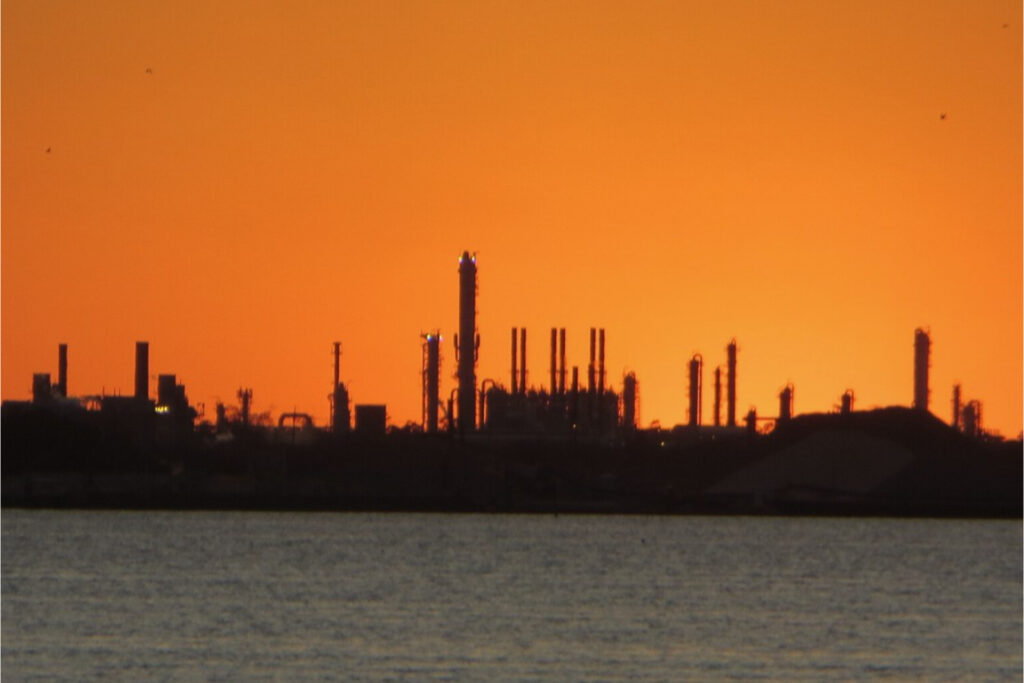
Sitting just 30 miles from the Gulf of Mexico in Southwestern Louisiana, Lake Charles is constantly blanketed by warm, moist air, with its low elevation combined with the surrounding coastal plains and marshlands perfect for trapping moisture. This geography ensures a steady stream of humidity flows inland from the Gulf, keeping the air saturated and sticky for residents year-round, placing Lake Charles squarely at the top of the list.
Port Arthur’s location on the shore of Sabine Lake, which connects directly to the Gulf of Mexico, guarantees it some of the highest humidity in the country. The same moisture-rich air that affects the entire Gulf Coast envelops this coastal Texas city. Its position makes Port Arthur a prime target for high dew points and relentless humidity, creating a consistently damp environment that feels intensely hot during the warmer months.
Famous for its vibrant culture, New Orleans is also known for its pervasive humidity. Water surrounds the city — from the Mississippi River to Lake Pontchartrain and the nearby Gulf of Mexico. This unique geography, coupled with its below-sea-level elevation, creates a “bowl effect” that traps moisture and heat. This results in New Orleans’ notoriously sultry and subtropical climate, making high humidity a defining feature of daily life for residents.
The warm waters of the Gulf of Mexico heavily influence the climate of Brownsville, Texas’s southernmost tip. Its proximity to the coast allows a constant influx of humid subtropical air, leading to extreme dew points and year-round high humidity. Brownsville’s coastal location means that moist air dominates the region, giving it a characteristically warm, semi-arid, yet incredibly humid climate that persists year-round.
Positioned directly on the Gulf Coast of Texas, Corpus Christi’s bayfront location faces continuous exposure to a flow of moisture from the sea. Warm, humid air is almost always present, especially during the long summer months. The persistent onshore wind from the Gulf of Mexico keeps the air saturated with moisture, leading to the high average humidity that defines Corpus Christi’s coastal climate and makes it a staple on this list.
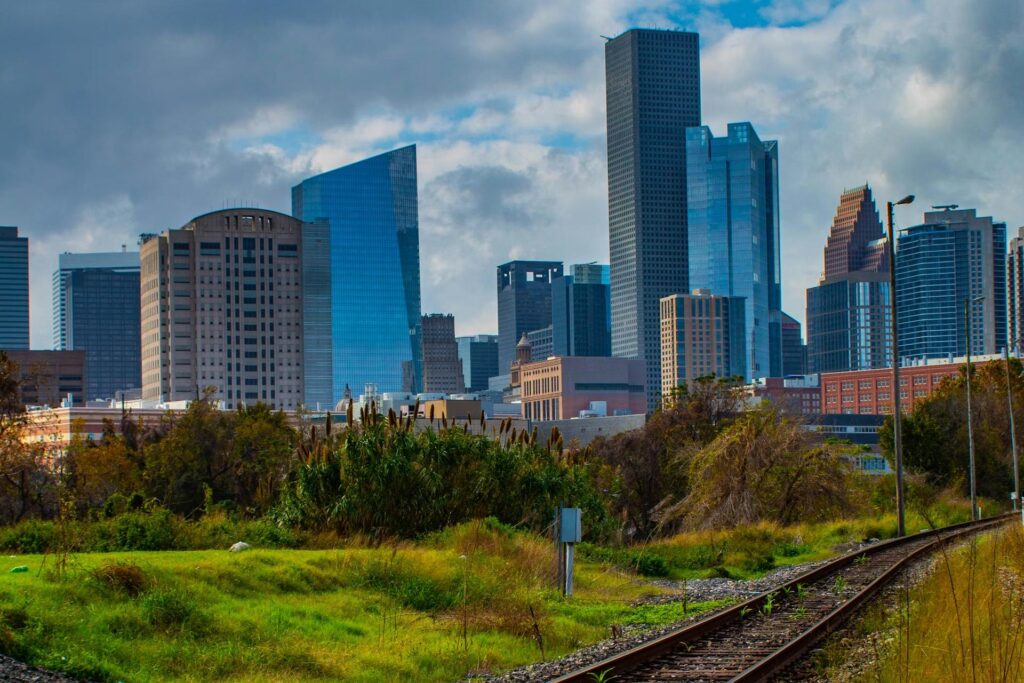
While not directly on the coast, Houston is close enough to the Gulf of Mexico to experience its powerful influence. Warm, moist air from the region flows freely inland across the flat coastal plains, blanketing the sprawling metropolitan area with a thick, humid layer of air. The city’s urban environment, with its vast stretches of concrete and asphalt, also traps heat and moisture, further intensifying the humid, subtropical feeling that Houston is famous for.
About 30 miles inland from the Gulf of Mexico, Victoria is a prime example of how far the Gulf’s humidity stretches. Its location in the coastal plains of Texas means there are no natural barriers to block the flow of moist air. As a result, warm, damp conditions establish themselves over the city. Victoria consistently experiences the high humidity typical of the Gulf Coast region year-round.
As the capital of Mississippi, Jackson sits further inland than many cities on the list, but still feels the full effect of the Gulf of Mexico. Warm, humid air masses travel northward from the coast, unimpeded across the state’s low-lying terrain. This consistent, moist flow of air from the south is the primary reason for Jackson’s high humidity, contributing to its long, hot and distinctly muggy summers and mild, damp winters.
Located along the Mississippi River, about 80 miles northwest of New Orleans, Baton Rouge is far enough inland to avoid direct sea breezes but still squarely positioned within the humid Gulf region. The river itself contributes to local moisture levels, but the main factor is the large-scale flow of humid air from the Gulf of Mexico. This air gets trapped over the region, giving the city its characteristically high humidity and sultry Louisiana climate.
Situated in Eastern Mississippi, Meridian is another example of the Gulf of Mexico’s extensive moisture reach. Despite being over 150 miles from the coast, the region’s geography allows warm, humid air to travel far inland without significant disruption, with the northward flow of moisture keeping the atmosphere consistently damp. This pattern ensures that Meridian experiences the characteristic high humidity and muggy conditions of the Deep South, especially during the summer months.

While Louisiana, Texas and Mississippi include the most humid cities in the U.S., none of these states is the most humid on average. So what is the most humid state in the country? With an average annual relative humidity of 77.1%, Alabama possesses this dubious honor, beating Florida into second place. The difference is that Alabama’s average dew point is only 26.5° Fahrenheit, compared to the 50s and 60s in the others, meaning the air feels stickier there.
Excessive humidity, especially above 60%, can cause a range of issues in your home. High moisture levels can cause structural damage, including peeling paint and wood rot, compromising the strength of your home. Warped floors and sticking doors are also signs that moisture is affecting your living space.
Increased humidity means your air conditioning unit must work harder, leading to elevated energy costs. Humidity levels above 60% in homes can promote mold growth on walls and plants, with furniture also not immune to these spores. Mold can cause surface damage and pose severe health risks, especially if you are allergic or prone to asthma attacks.
Maintaining a safe indoor humidity level is paramount for your comfort, health and home’s longevity. Humidity of around 40%-60% during summer and 30%-50% in winter is a good guideline for maintaining moderation and a comfortable indoor environment. Higher levels can encourage unhealthy mold growth and structural property damage, with low humidity potentially leading to dry skin and respiratory issues. These actionable tips can control humidity in your home:
Following these steps can afford you a healthier and more comfortable living environment.
High humidity can occur in cooler climates as well. For example, Alaska, particularly its coastal regions, can experience high humidity levels despite its consistently low temperatures. Similarly, the Pacific Northwest — known for its wet climate — often has high humidity from frequent rainfall, yet it can still be quite cold.
In these areas, air moisture doesn’t correlate with warm temperatures. Therefore, while many humid regions feature warm weather, humidity itself isn’t solely a function of heat and can thrive in cooler, wetter climates as well.
You can use a simple and effective device called a hygrometer to measure your home’s humidity. Hygrometers come in various forms, including digital and analog models, and all you need to do is choose a central location in your home to place the hygrometer, away from direct sunlight, heating vents, or windows, and ensure its proper calibration.
Check the device’s display after a few hours — most hygrometers show the current humidity percentage and sometimes the temperature — and keep an eye on the readings, especially during weather changes or seasonal transitions, to maintain a comfortable level.
Yes, high humidity makes it feel hotter due to the “heat index,” which combines air temperature and humidity to gauge how hot your body feels. When humidity is high, the environment’s air is saturated with moisture, making it difficult for your sweat to evaporate.
In dry conditions, sweat evaporates quickly, allowing your body to regulate its temperature effectively. When humidity levels rise, this process slows, causing your body to retain heat and feel warmer than the surrounding air. So, on humid days, people can feel significantly hotter, increasing the risk of heat-related illnesses. It’s essential to stay hydrated and take precautions during high humidity to help your body manage its heat effectively.
Understanding humidity levels and using effective strategies can help manage the challenges associated with high humidity. If you live in one of the humid cities mentioned or another with high percentages, you can take proactive steps to create a more comfortable and healthy living environment. Embrace the journey to maintain your home, remembering that with knowledge and preparation, you can beat even the most humid conditions!