
We are reader-supported. When you buy through links on our site, we may earn an affiliate commission.
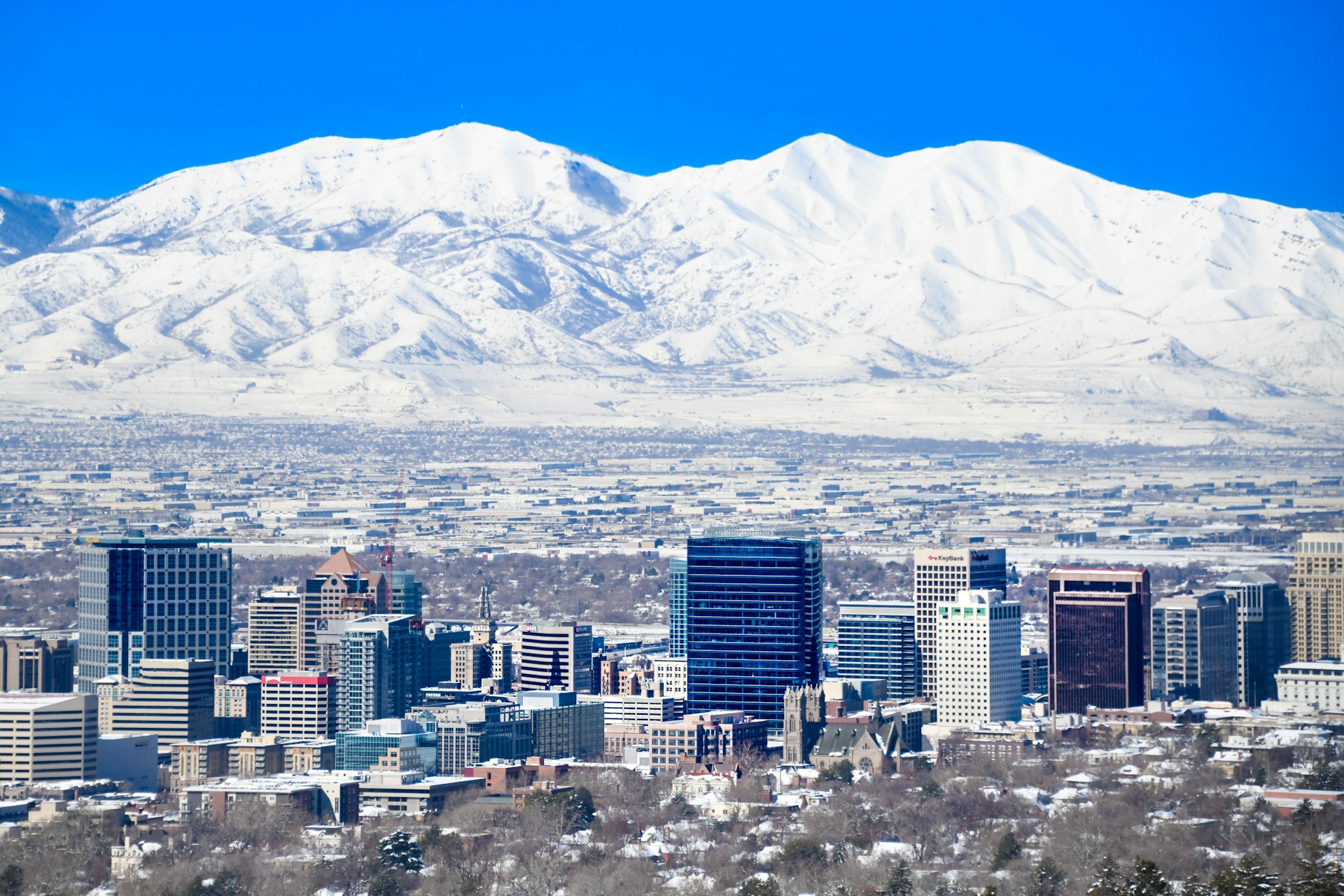
Utah’s dramatic and diverse geography is certainly beautiful. Mountains, forests and desert landscapes all exist within the Beehive State. The state is also home to growing hubs of tech and innovation with a strong economy, low unemployment and a high quality of life. With the combination of natural beauty and economic opportunity, it’s no wonder people from all walks of life are moving to its cities. Here’s a breakdown of the cost of living in Utah and how it compares with other western states.
Utah was named the top state in the U.S. by U.S. News & World Report, with financial stability ranking first nationwide. It’s also one of the fastest-growing states in the West, driven by population growth.
That growth, however, has pushed costs upward. According to MERIC’s Cost of Living Index, Utah ranks 30th among states for cost of living. This makes it one of the most expensive states in the western region. As demand for housing, goods and services increases, households are spending more to maintain their standard of living. In 2023, the average total personal consumption expenditure in Utah reached $51,027.
Interestingly, the average weekly earnings in Utah were $1,186 in December 2025, which is lower than the U.S. overall average. This means many households are spending close to, or more than, what average earnings alone can comfortably support. Additionally, Utah’s minimum wage still sits at $7.25 per hour to match the federal minimum, which has remained unchanged since 2009. Labor shortages across the state have helped raise wages in many industries, but there’s still a gap between baseline pay and the rising cost of everyday living.
Once named as the best state for helping people pursue the American dream, Utah has seen its cost of living rise steadily in recent years. This makes housing affordability a growing concern for many residents and newcomers alike. Here’s what actually makes up the cost of living in Utah.
Housing will likely be your biggest expense in Utah. Home prices in the state have increased over the past few years due to population growth, limited housing supply and strong demand from out-of-state buyers. As of January 2026, the average home value in Utah stands at $527,725, which is a 2% increase from the previous year.
Utah ranked as the ninth most expensive housing market in the U.S. in 2024, and costs are even higher in certain cities like Salt Lake City. Research shows that buying a home in the state’s capital is more than twice as expensive as renting. The median monthly mortgage payment is $3,463, compared with a median rent of $1,627. This creates a buying premium of 112.8%, ranking the cost of living in Salt Lake City among the most expensive in Utah.
Food costs vary depending on where you live, with more affluent areas typically seeing higher grocery prices. On average, households in Utah spend $278.41 per week on groceries. This is higher than the national average of $270.21 per week. These figures don’t include dining out. Restaurant meals and hot food items purchased at grocery stores may carry additional levies, which can further increase monthly food spending.

The Utah Transit Authority operates a comprehensive public transport network along the Wasatch Front, connecting Salt Lake, Davis, Weber and Utah counties, as well as portions of Box Elder and Tooele. A one-way trip on local buses, TRAX, UVX, the S-Line and FrontRunner costs $2.50, with free rides available within the downtown Free Fare Zone. FrontRunner commuter rail is one of the main services, which connects Salt Lake City with Provo in the south and Ogden in the north.
The TRAX light rail also offers a convenient way to travel. It serves Salt Lake County, including a direct connection from Salt Lake City International Airport to downtown in about 20 minutes. TRAX serves the Delta Center, the University of Utah, Rio Tinto Stadium and Temple Square as well.
If you prefer to drive, the average gas price in Utah is $2.794 per gallon. The most expensive fuel prices are found in St. George, Salt Lake City, Logan, Ogden and Provo-Orem. Since roughly 80% of the roads in the state are in good condition, driving is mostly a pleasant experience.
Utilities are one area where Utah works in your favor. Electricity prices across the U.S. rose by a nominal 13% between 2022 and 2025, but the state continues to post the lowest electricity bills nationwide. According to the U.S. Energy Information Administration, the average monthly electricity bill in Utah is $89.
This is supported by the state’s abundance of renewable energy sources, including hydroelectric power and growing solar capacity, as well as climate conditions that reduce heating and cooling needs. When you combine electricity with natural gas, water, sewer, trash, internet and streaming services, you can expect to spend about $568 per month on utilities on average.
Health care costs are another important part of your overall budget. The average monthly cost of health insurance in Utah was $675 in 2025 and rose to $821 in 2026 — a 22% increase.
Utah is still among the least expensive states for health care spending per capita, largely due to its younger population, but affordability remains a concern. About seven in 10 Utahns face challenges such as high deductibles, rising premiums or medical debt.
When it comes to taxes, Utah has a flat 4.5% individual income tax rate and a 4.5% corporate income tax rate. The state sales tax rate is 6.10%, with an average combined state and local rate of 7.42%. If you own a home, property taxes are relatively low, with an effective rate of 0.47% on owner-occupied housing. Utah doesn’t levy estate or inheritance taxes.
Other costs include a gas tax of 39.15 cents per gallon and a cigarette excise tax of 1.70% per pack. Overall, Utah’s tax system ranks 15th on the 2026 State Tax Competitiveness Index.
Housing costs in Utah are among the highest in the western states. With a median home price of $662,000, it ranks third overall, behind only Hawaii and California, and sits just above Washington. Montana and Oregon follow at $515,000 and $511,000, respectively. If Utah stretches your budget, states such as Nevada, Idaho, Arizona, Wyoming, Alaska and New Mexico offer median home prices below $500,000, with New Mexico at $364,000.
Utah is no longer the bargain it once was, but it continues to offer a combination of economic stability, infrastructure and lifestyle that draws people in. Although housing costs have risen faster than other expenses, utilities, transportation and taxes make the cost of living in Utah comparatively manageable.