


We are reader-supported. When you buy through links on our site, we may earn an affiliate commission.
Maybe last winter you had to call a plumber in because your water flow turned to trickles halfway through December. Or you may have just moved into a new home and noticed that it has less insulation than your previous home. The right knowledge will protect your home from water damage and keep your pipes in good condition. Here’s all you need to know about how to prevent pipes from freezing in winter –and what you can do to thaw them if it happens.
It’s important to have a home maintenance routine that includes checking and fixing pipes to keep your home safe all year round. In the winter, this includes being aware of the ways cold air makes your pipes more susceptible to freezing. Here are two of the main reasons why pipes freeze:
When water freezes, it expels heat by contracting and expanding. However, it needs space to expand and pipes are made to stay their original shape and size. When the water freezes, it has no space to go, which causes it to put pressure on the pipes.
If you live in a house in a warmer are like the Southeast, you may see more pipe-freezing than people who live in colder areas because your pipes may have little insulation. You may need to insulate areas like attics or crawl spaces with pipes running through them to prevent freezing.
This information is good to know to determine your next step in protecting your pipes.
Copper: Copper is the most common material used to make pipes because it’s durable and UV-resistant. Copper pipes cool quickly, which is an advantage in warm weather. However, its strength and rigidity become weaknesses in extremely cold weather. When water freezes and expands, the pipes may burst or split open.
PVC: Polyvinyl Chloride or PVC pipes are favored for their ability to keep water hot. However, this also means they may not do well in cold temperatures.
PEX: Crosslinked polyethylene or PEX pipes expand with water as it freezes. The pipe’s chemical structure allows for greater flexibility and pressure capabilities than other materials. It also has less chance of leaking and requires minimal maintenance. Although PEX pipes are a big investment, you can recover the cost over time.
The bottom line: Each type of material has its benefits and drawbacks. You’re better off using Copper and PVC pipes outdoors, where pipes may be exposed to heat from the sun, then using PEX pipes indoors, where temperatures tend to be cooler. Whichever material you use, a great plumbing system mainly depends on how a plumber puts the pipes together.
How do you know when your pipes are frozen?
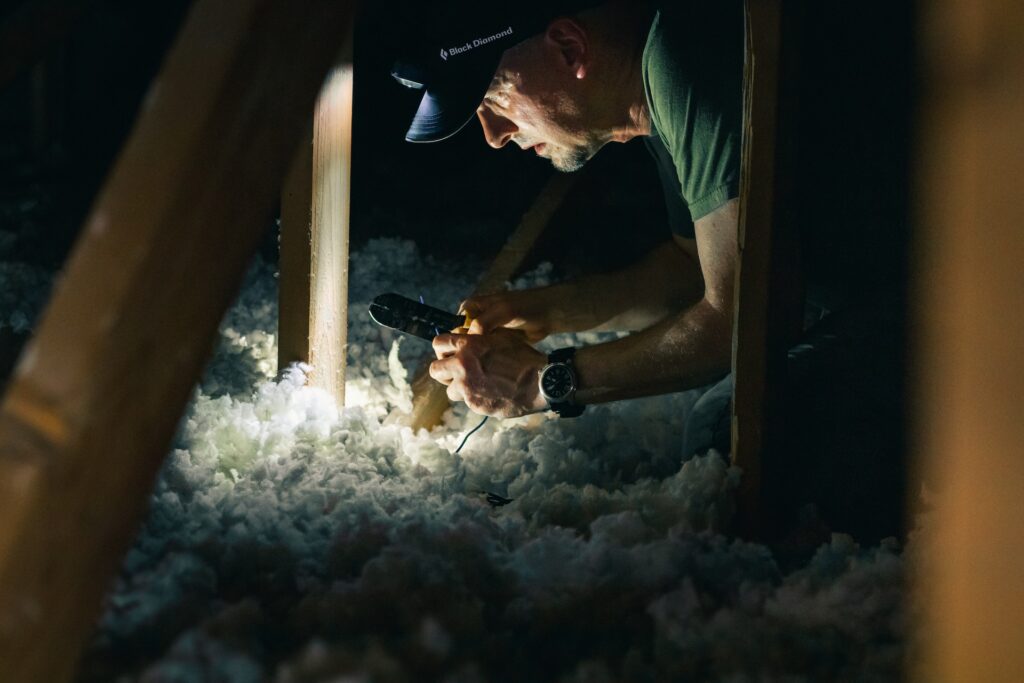
The key to preventing pipes from freezing in winter is heat and insulation. Keeping pipes and surrounding areas warm can prevent freezing, cracks and damage. Add these items to your home winterizing checklist for a safe, accident free winter.
Where you have pipes in crawl spaces, you can insulate your pipes with heat tape, foam pipe covers or heat cables.
One of the best methods to use is electric heating cables. They produce enough heat to prevent pipes from freezing without heating the water inside. When you install them, you install them with an integrated thermostat, which switches on automatically as needed. Cover the cable and pipes in pipe sleeves to help the system retain heat to get the best result.
Before temperatures drop check your house for cracks and holes in windows and doors. You must seal these with caulk to prevent cold air from getting into wall cavities. You should also Insulate partition walls, plumbing stacks, vents and chases.
Disconnect your garden house and close off water from the pipes and valves that lead to outdoor faucets. Close and drain outdoor faucets. You can also put faucet covers to keep them intact during winter.
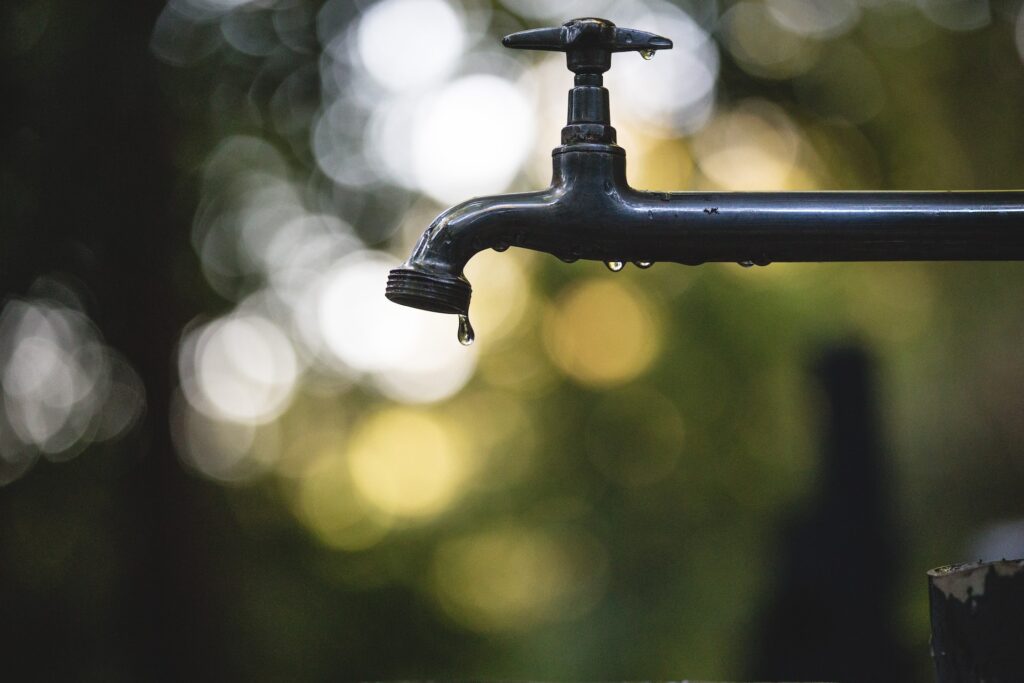
Here are other preventative ways to prevent your pipes from freezing in winter.
Keep your thermostat above 55℉, especially on colder days. Constant and consistent heat will protect the pipes from freezing, which prevents cracks and bursts in the long run. Open cupboard doors and cabinet doors in areas like the kitchen and bathroom to allow the warm air to circulate and reach the pipes.
If your home tends to experience extremely cold temperatures, this might be a useful solution. It’s a permanent fix that needs some investment. You will need to replace all outdoor faucets with frost-resistant options and reroute pipes away from colder spaces in your home.
Slow, gradual heat is the safest way to thaw frozen pipes. Some of the methods you can try are:
Although you can thaw pipes safely by yourself, some situations require professional solutions. Here are some scenarios that warrant a call to your local plumber:
Whether you’re a seasoned pipe-winterizer or looking for ways to prevent winter mishaps, these tips will help protect your pipes from freezing this winter.