
We are reader-supported. When you buy through links on our site, we may earn an affiliate commission.
Your home should be the one place that restores you. But between cluttered countertops, harsh lighting and rooms designed purely for function, most living spaces quietly work against your well-being. Designing wellness spaces for mental health doesn’t require a massive budget or a full gut renovation. It starts with understanding what your environment is actually doing to your body and brain.
Most people don’t think of their home as a health decision. But the spaces you spend the most time in have a measurable effect on how you think, sleep and manage stress. Research links poorly designed indoor environments to elevated cortisol levels, disrupted sleep and reduced cognitive function.
The connection between physical space and mental state runs deeper than aesthetics. Noise, light quality, air circulation, color temperature and spatial clutter all feed into how your nervous system responds throughout the day. When your environment is working against you, even small tasks feel harder. When it’s working for you, the opposite tends to be true.
This is what the wellness design movement is really about. It’s not about luxury or spa retreats. Instead, it’s about thoughtful choices about how a space functions for the people living in it.
It’s worth noting that this isn’t just a residential concern. Workplace wellness design has driven billions in commercial real estate investment over the past decade precisely because the evidence is hard to ignore.
What started as an office trend is now showing up in home design conversations everywhere, from first-time buyer checklists to renovation briefs for high-end contractors. The home has become the new frontier for intentional design, and most people are only just starting to catch up.

Wellness spaces for mental health don’t follow a single template. A bedroom in a studio apartment and a home gym addition on a property renovation can both qualify. They share intentionality. Every element is chosen with physical or psychological effect in mind.
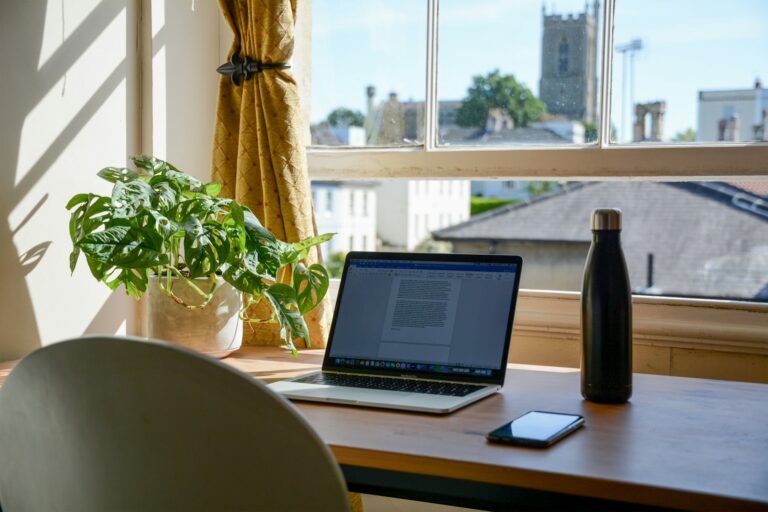
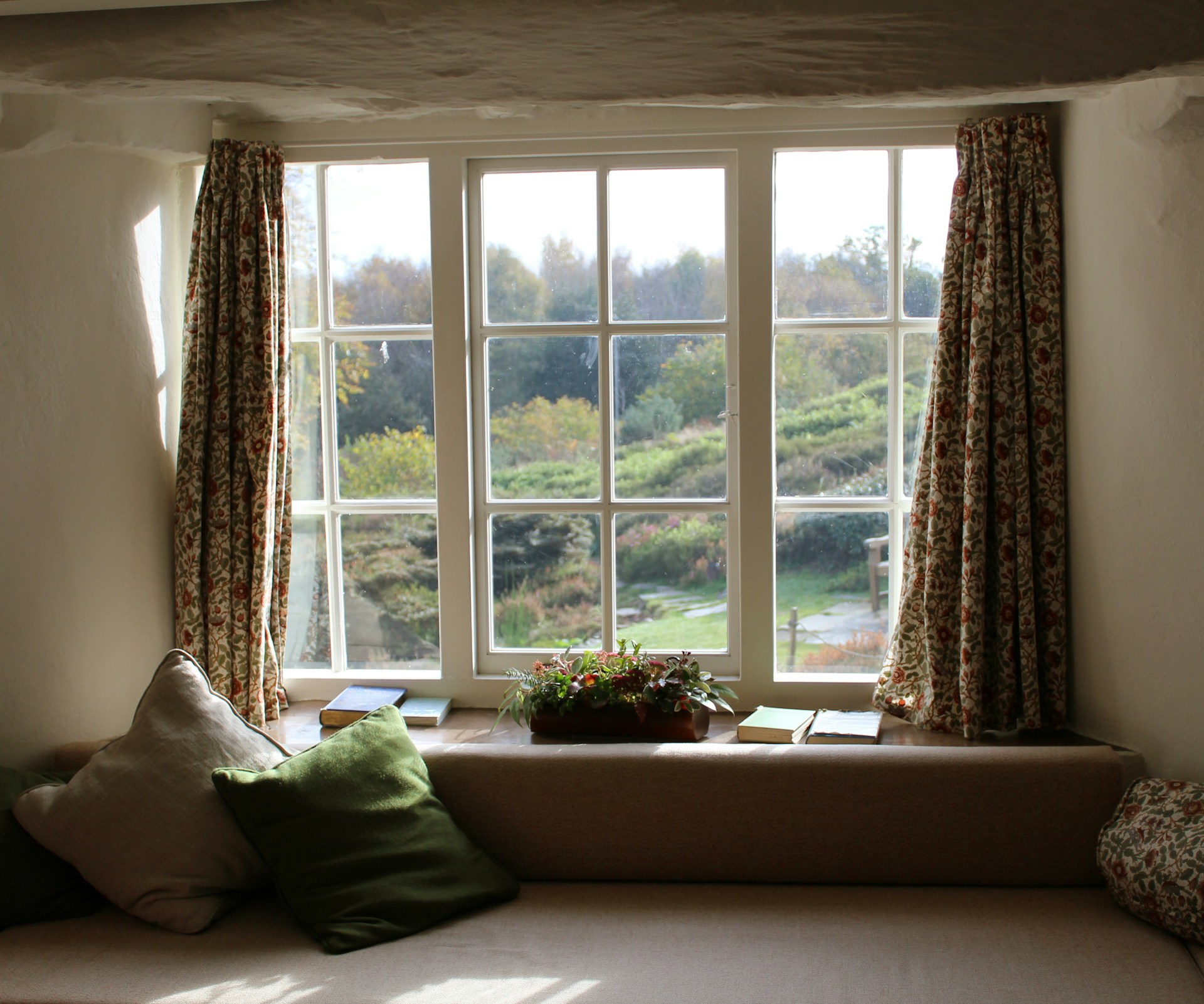
Natural light is one of the most powerful and underused tools in residential design. Exposure to daylight regulates your circadian rhythm, which affects sleep quality, mood and energy. Wherever possible, maximize window access. If natural light is limited, full-spectrum bulbs offer a reasonable alternative.
Color matters more than most people give it credit for. Cool blues and greens tend to lower perceived stress. Warmer, saturated tones energize but can also overstimulate if overused. Neutral bases with intentionally chosen accent colors give you more control over how a room feels at different times of day.
Clutter is a cognitive load. Some studies have found that people in cluttered homes showed higher levels of the stress hormone cortisol throughout the day. Storage solutions that keep surfaces clear are both tidy and functional.
Air quality is easy to overlook and surprisingly impactful. Poor ventilation increases indoor pollutants, which have been linked to fatigue, headaches and reduced concentration. Houseplants help modestly. A HEPA air purifier helps more. If you’re renovating, low-VOC paints and finishes make a meaningful difference from the start.
Ergonomics and movement also factor in. Whether it’s a standing desk setup in a home office, a yoga corner in the bedroom or a dedicated stretch area in a spare room, spaces that encourage movement support physical health and reduce the sedentary patterns that contribute to anxiety and low mood. Even a small, intentional movement nook counts.

You don’t need to knock down walls. Some of the most effective wellness upgrades are low-cost and low-commitment, making them accessible whether you own or rent your home.
The bedroom is the highest-value room to start with. Sleep affects everything else. Blackout curtains, a white noise machine and keeping screens out of the room are free or near-free changes. If you can repaint, cooler wall tones tend to support relaxation. Bedding texture matters, too. Weighted blankets have a growing body of evidence behind their effect on anxiety and sleep onset.
The bathroom is often treated as purely functional, but it’s one of the few rooms where most people are already in a ritual mindset. Adding a dimmer switch, a diffuser and a few minutes of intentional stillness transforms it into a genuine decompression zone.
A corner or nook anywhere in your home can become a wellness anchor. A chair with good light, a small shelf with a plant and a few items that signal “this is a calm space” trains your brain to downshift when you sit there. You don’t need a whole room, but you do need a consistent spot.
Lighting deserves its own mention here because it touches every room. Most homes default to a single overhead fixture per room, which produces flat, unflattering light that does nothing for mood or focus. Layering light with a combination of ambient, task and accent sources gives you far more control over how a space feels at different times of day. Swapping out a ceiling fixture for a warm-toned floor lamp and adding a small desk light costs less than most people expect and changes the character of a room more than almost any other single upgrade.
For contractors, renovation professionals and real estate developers, wellness design has moved from trend to expectation. Biophilic design — the practice of integrating natural elements into built environments — has strong evidence behind it. This includes plants, natural materials, views of greenery, water features and organic shapes in architecture and furniture.
Buyers and renters increasingly ask about air quality systems, access to natural light and flexible layouts. Incorporating these considerations from the planning stage is easier and cheaper than retrofitting.
Material choices matter in the specification stage. Reclaimed wood, natural stone and linen all have lower VOC profiles than many synthetic alternatives and contribute to a sensory environment that feels grounded rather than sterile. These choices also hold well in resale conversations, where wellness features are increasingly a line item.
Spatial flexibility is another consideration. Rooms that can shift function serve modern households better than rooms designed for one fixed purpose.

Designing for well-being doesn’t require perfection or a big budget. It requires paying attention to what your space is asking of you and making deliberate choices about your responsibilities. Start with one room or even one corner. The compound effect of small, intentional changes is real and your home is the one environment you actually have the power to change.