
We are reader-supported. When you buy through links on our site, we may earn an affiliate commission.
We are reader-supported. When you buy through links on our site, we may earn an affiliate commission.
The first apartment after a separation or divorce often starts with the basics. A mattress, a TV that’s bigger than the living room, a coffee mug grabbed from work and the inevitable tower of pizza boxes that turns into a side table.
There’s nothing wrong with starting over. The mistake is treating your new place, even if it’s a rental, like a temporary stopover instead of the beginning of your next chapter. Before long, that “I’ll sort it out later” apartment starts looking less like a fresh start and more like a cry for help. The good news is that you can achieve a smart design that transforms the space into a confident, comfortable and unmistakably “free” space with a few tasteful choices.

Your home influences how you think, relax and recharge. If every room reminds you of moving boxes, pizza deliveries and unfinished plans, it’s harder to settle into your new routine.
Think of your apartment as your reset button. Instead of recreating your college years with folding chairs, beer bottles and random furniture rescued from friends’ garages, create a space that reflects who you are today. Every thoughtful upgrade sends the same message — you’ve turned a page.
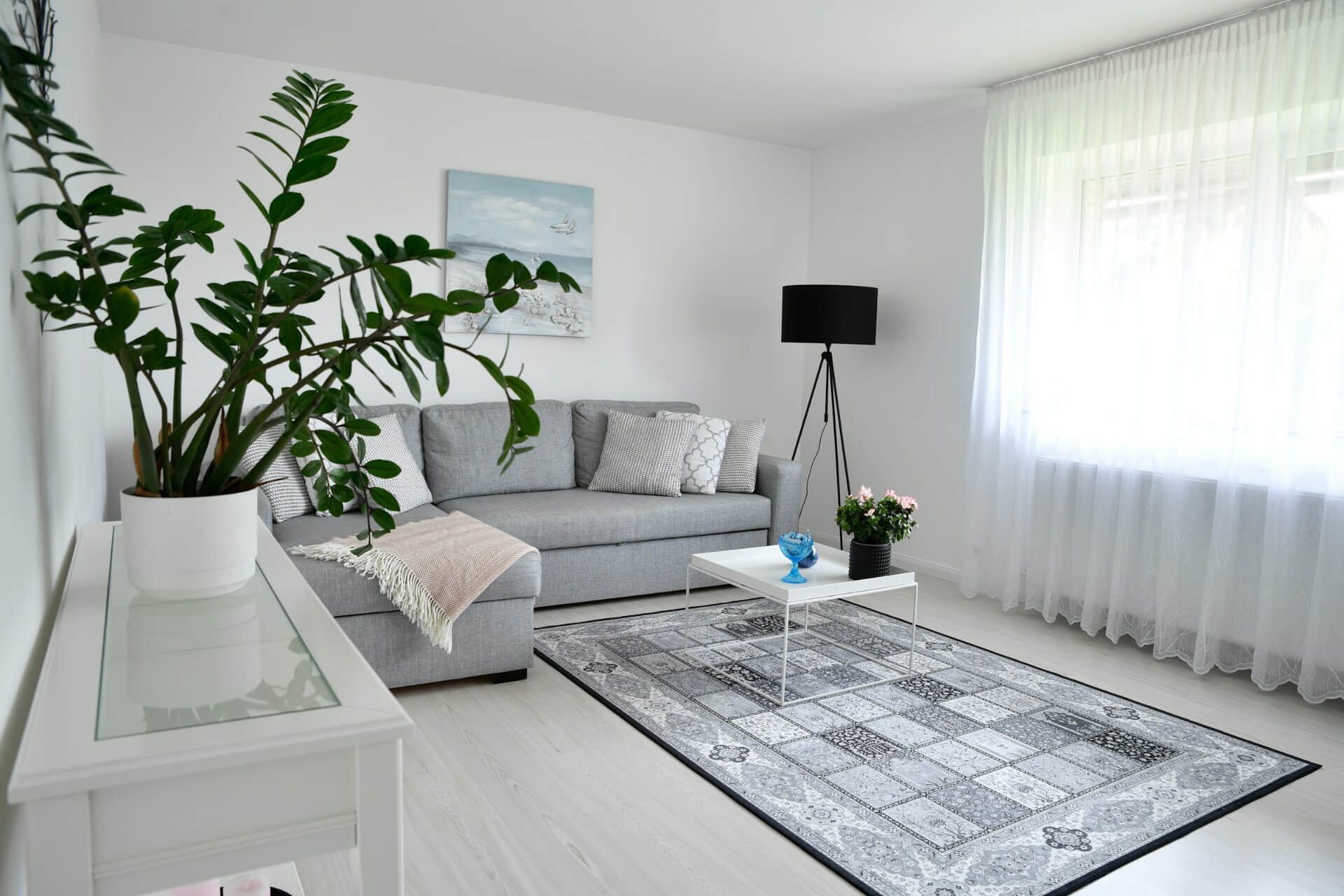
The sofa usually becomes the center of your living room. It’s where you unwind after work, watch the game, catch up with friends and occasionally fall asleep halfway through a movie.
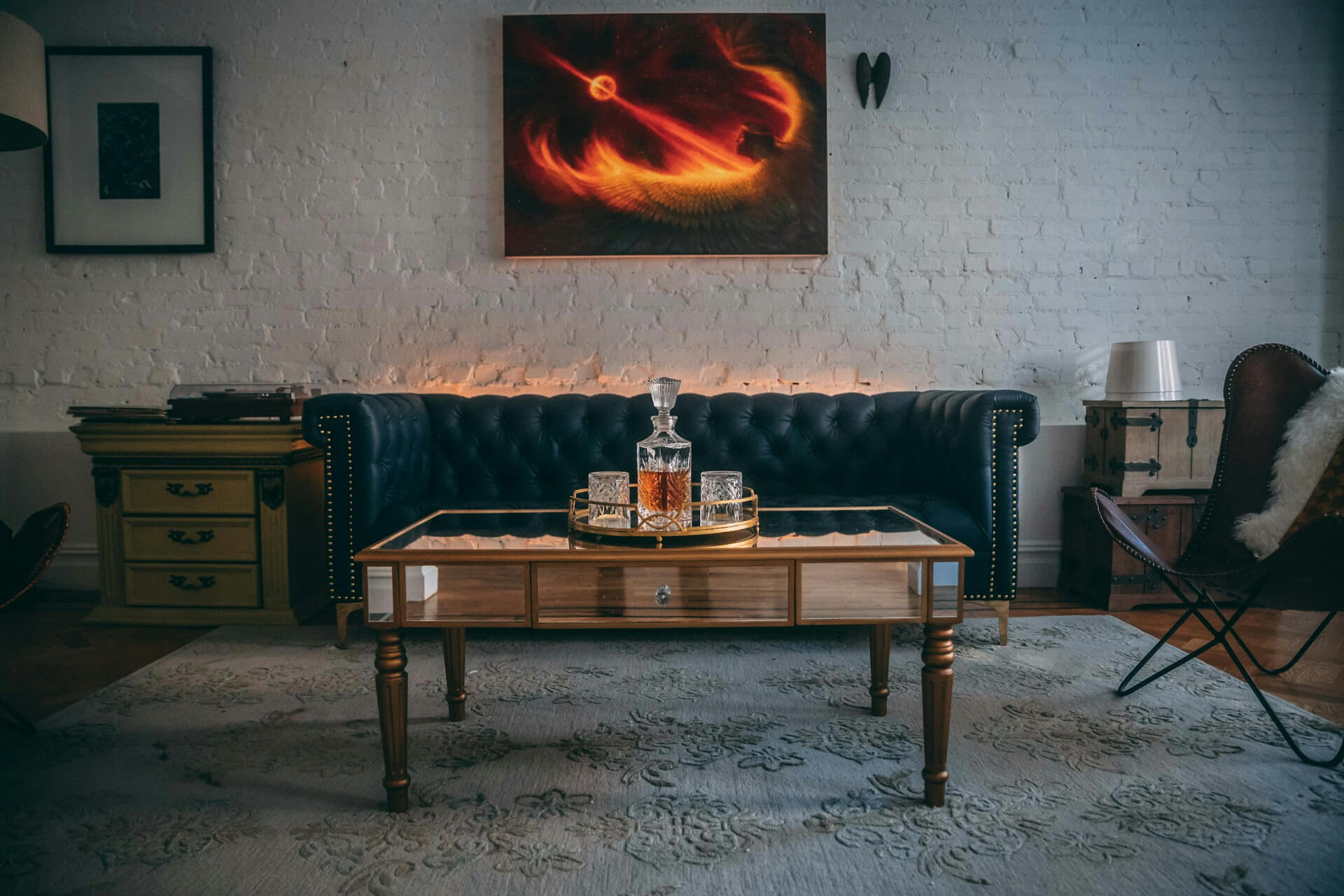
That doesn’t mean you need designer furniture. It does mean choosing something sturdy, comfortable and neutral enough to work for years. You don’t need a new one, but you do need a second-hand one properly cleaned to eliminate nasty odors and any critters that live under the seat cushions. If you want to invest, a Chesterfield sofa can last 25 years with proper care.
A charcoal, tan or deep navy sofa instantly feels more refined than oversized recliners or mismatched seating collected over time. Quality wins over quantity every time. Leather is always the winning material, but a performance linen or vinyl can also look professional.
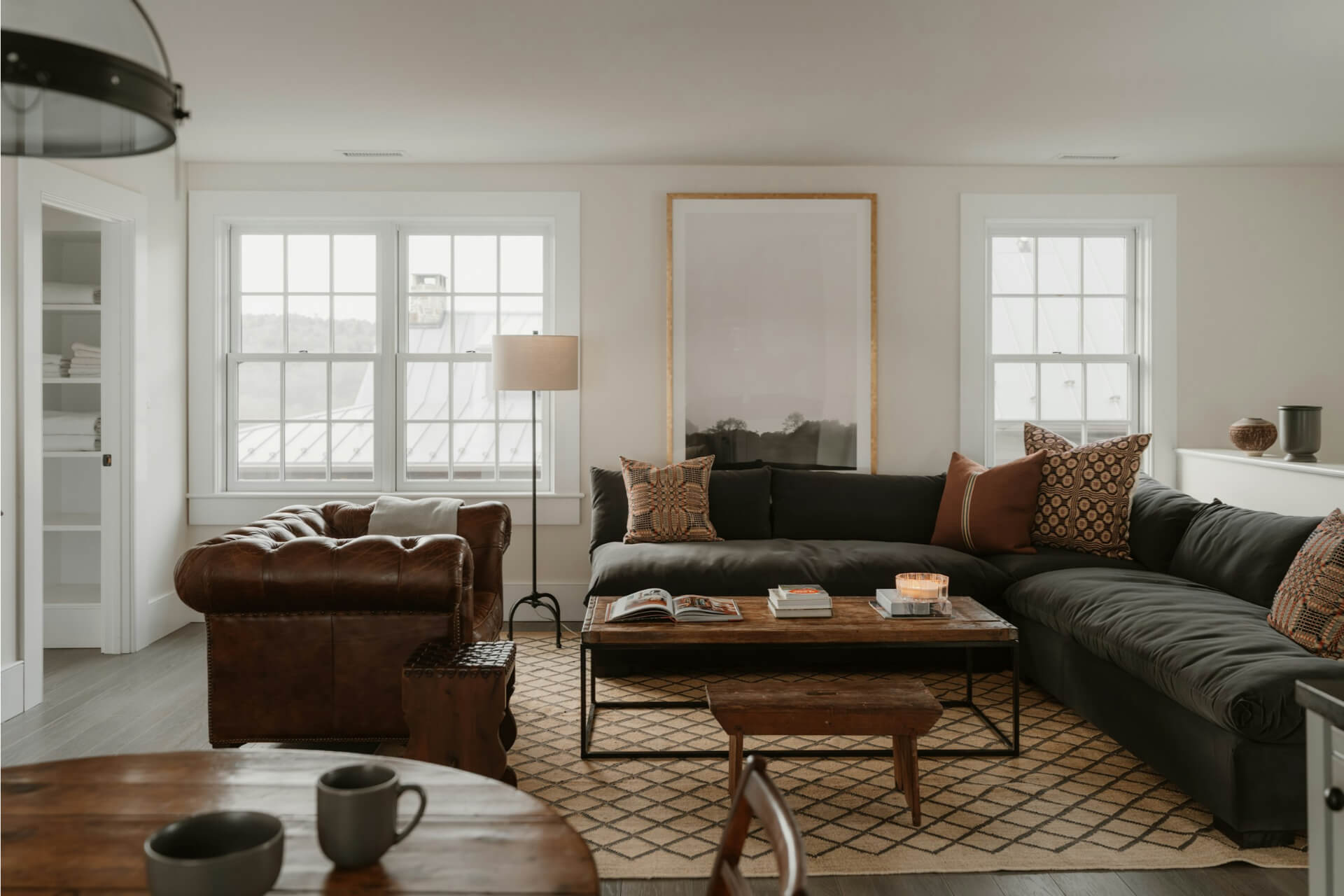
One mistake that makes apartments feel temporary is furniture floating around the edges of the room. Instead, create a defined conversation area with a large area rug, your sofa, a coffee table and a chair if space allows. Suddenly, your living area feels intentional instead of accidental.
Choose a coffee table that’s attractive and useful. It should hold your morning coffee, a couple of books or magazines, the TV remote and maybe a candle or a small plant without becoming a dumping ground for unopened mail, receipts or used cocktail napkins.
Apartments often have smaller windows, and using dark paint can make an apartment feel sophisticated rather than gloomy when used strategically. Consult with your landlord about any color choices and limitations. If you can’t paint, consider peel-and-stick wallpaper that’s easy to remove.
Instead of painting every wall charcoal, focus on one feature wall behind the sofa or bed. Deep green, navy or warm chocolate create contrast while helping artwork and furniture stand out. Balance darker colors with lighter furniture, natural wood finishes and plenty of ambient lighting so the room feels welcoming.
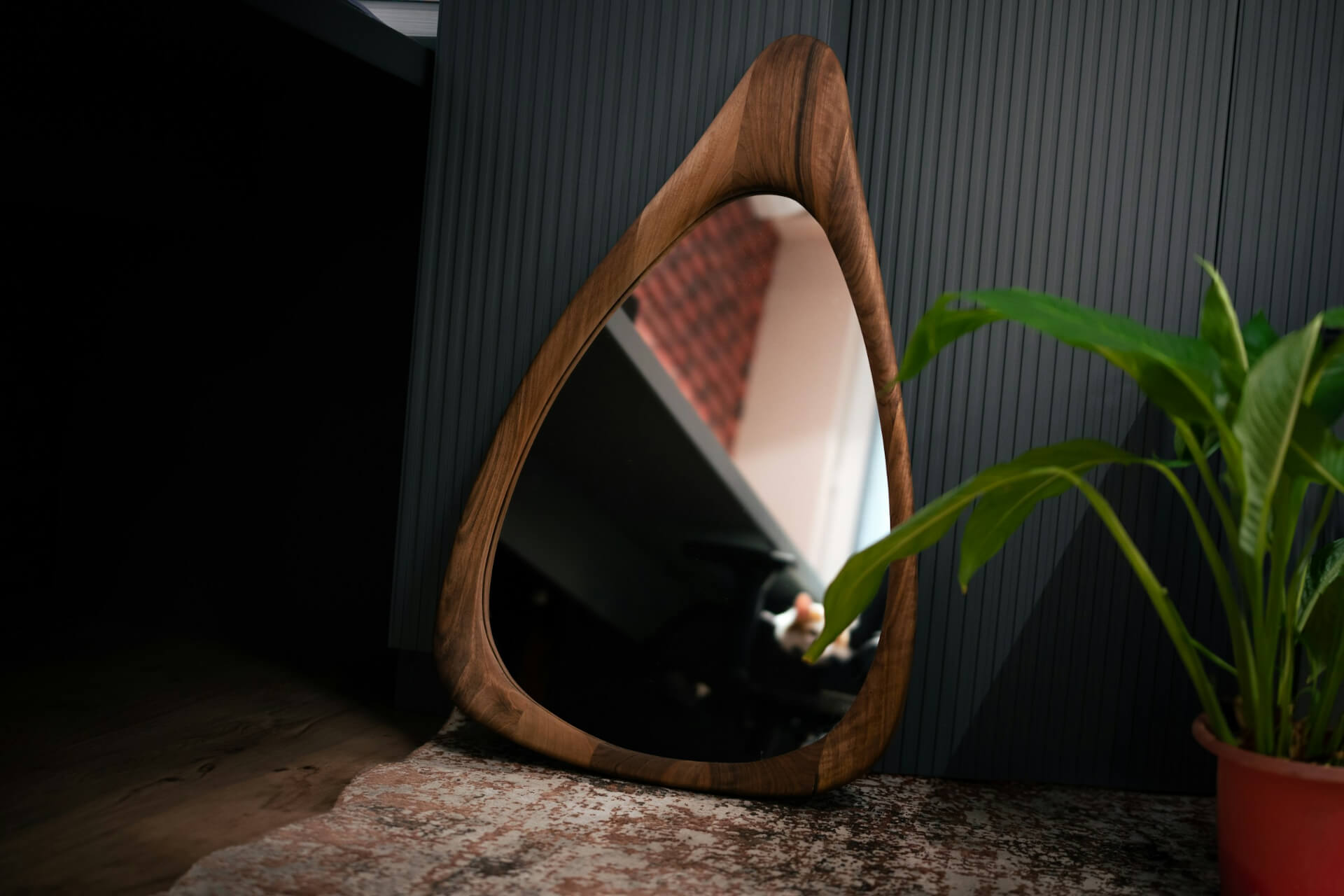
Blank walls make an apartment feel unfinished. Tiny, framed prints scattered around often have the same effect. Regardless of size, ensure your artwork is framed and behind glass to give it a professional finish.
One large artwork creates far more impact than collections of small decorations. It also gives the room a focal point that immediately draws your eye. If your apartment feels compact, add a large mirror opposite a window. It reflects natural light and creates the illusion of extra space while adding a polished touch.
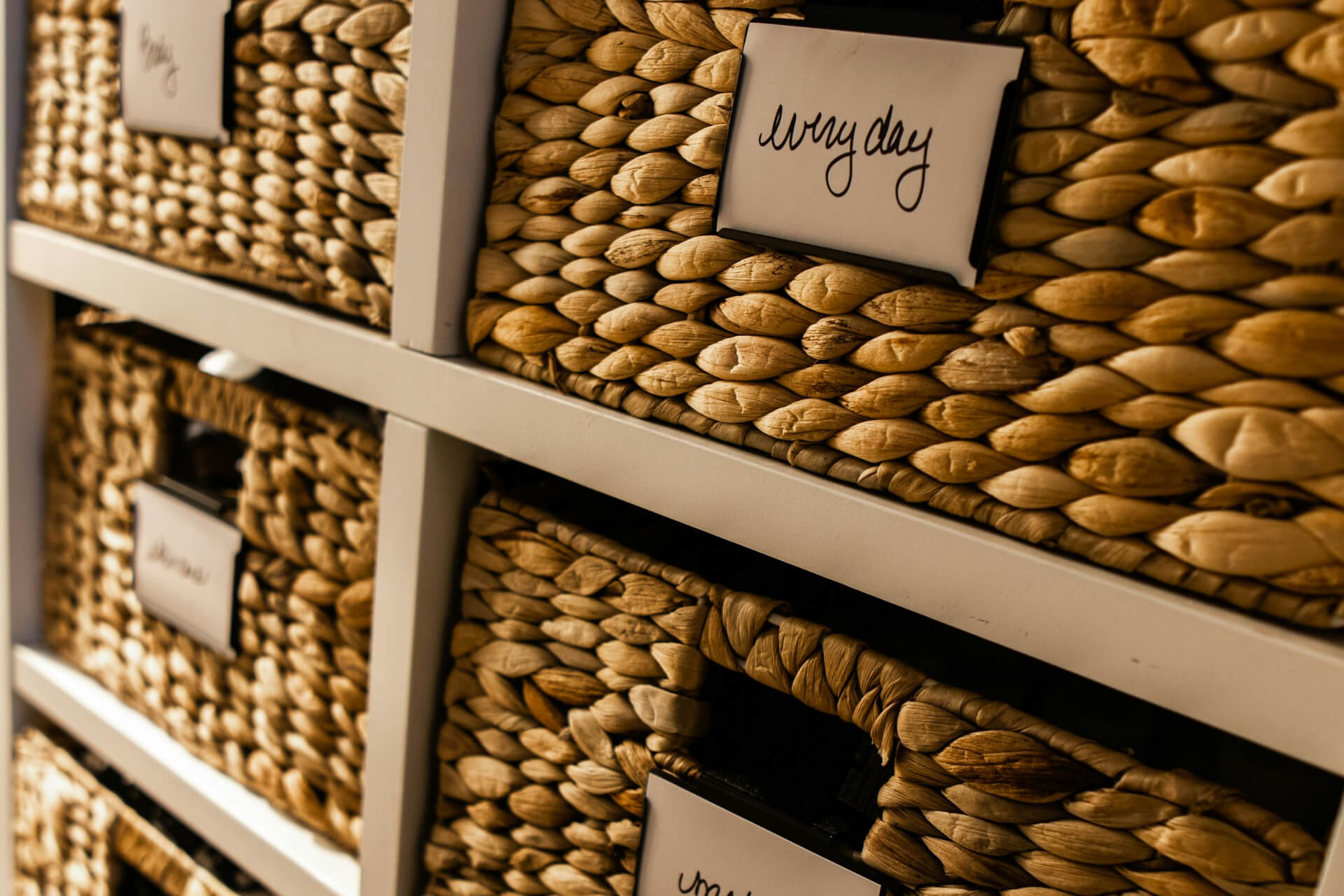
Nothing says “temporary living” faster than piles of unopened mail, charging cables draped across every surface and yesterday’s takeout containers waiting for inspiration. The solution isn’t hiding everything in a closet. It’s giving everything a permanent home. Cutting clutter also boosts your cognitive ability and reduces stress.
Storage baskets are one of the easiest upgrades you can make. Use them for blankets, gaming controllers, gym gear and magazines. Add a tray for your wallet and keys near the entrance, and another on the coffee table to corral everyday items. When everything has a place, cleaning becomes a five-minute job instead of a Saturday afternoon project. The right baskets also become statement pieces.
Your apartment can feel welcoming without a fully stocked bar, but your entertainment space should be demarcated. A simple coffee station with your favorite mugs, a French press or espresso machine and a small jar of coffee beans creates an intentional morning ritual. If coffee isn’t your thing, dedicate the space to cocktail tools, a whiskey decanter or a few quality bottles displayed on a tray. These little lifestyle corners welcome visitors and tell them that someone actually lives here, not just showers and sleeps here.
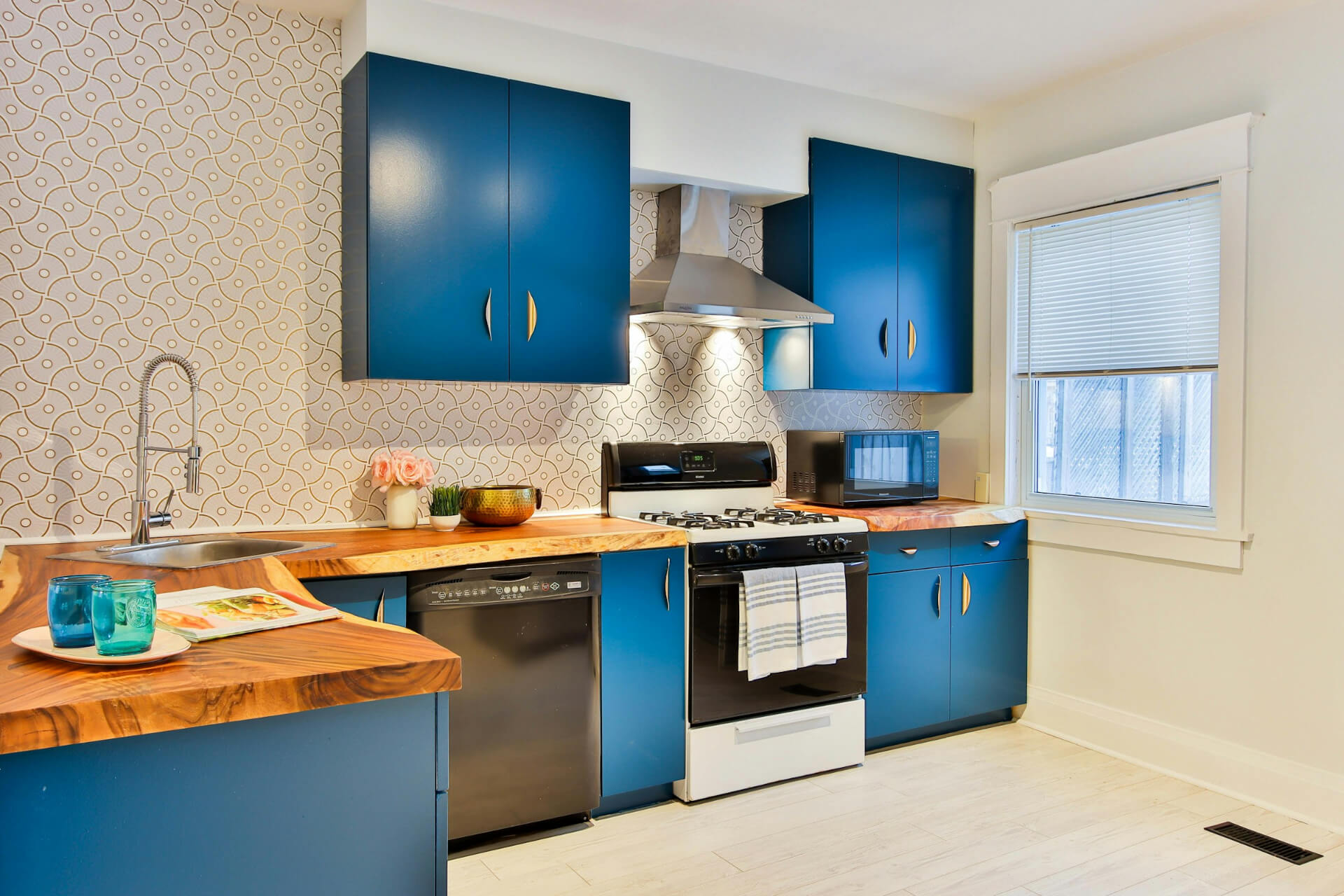
Even the smallest kitchenette deserves some attention. Clear countertops and leave only the items you use every day. Store everything else inside the cabinets. Matching storage jars, a wooden cutting board, a fruit bowl or a small herb plant instantly make the kitchen feel more put together.
Replace mismatched dish towels with a matching set in a dark tone that complements your living area. Upgrade plastic utensils when they wear out and invest in stainless-steel knives and cutlery with large, dark-toned plates to elevate any dining experience.
Bathrooms have an unfortunate tendency to become purely functional spaces, especially after moving. Fresh white or medium gray towels, a matching soap dispenser, a quality bathmat and brighter lighting instantly change the atmosphere. Add a small plant if the room gets enough light or choose a realistic artificial one if it doesn’t, since plants help you feel you belong in a space and make everything feel alive.
Your bathroom should feel like somewhere you start your day with energy, not where you’re simply brushing your teeth before rushing out the door. Ensure ample ventilation to keep things fresh and prevent mold buildup, which can pose a health hazard.
Adding additional battery-operated lights can give you flexibility and keep your utility bills down. But if you are blessed with large studio windows, layering your window treatment can bring real opportunities to make the most of the space.
Pair functional blinds with soft drapes or structured blackout curtains that help you sleep in on weekends, or block out noisy neighbors. Ensure you add a good 3-inch to 4-inch overhang on the sides to keep light from entering. Choose muted tones that match your overall color theme, preferably the same color as your sofa, for a stylish aesthetic.
The final layer has very little to do with decorating trends. It requires you to add one thing that’s convincingly and authentically you. It could be a stack of vinyl albums and a record player in the corner, travel photography from the places you’ve been or a corner shelf of books you’ve actually read. Perhaps you display the guitar that you finally have time to learn to play.
Choose a few pieces that genuinely represent your interests. Avoid filling shelves with generic decorations. That’s the difference between an apartment that looks staged and one that feels lived in.
Starting over gives you something many people never get — a chance to build your home exactly the way you want it. You don’t need expensive furniture or magazine-worthy styling to make it happen. A comfortable sofa, thoughtful lighting, organized spaces and a few personal touches create an apartment that feels settled, confident and ready for whatever comes next. That’s the kind of bachelor pad worth calling home.