
We are reader-supported. When you buy through links on our site, we may earn an affiliate commission.
We are reader-supported. When you buy through links on our site, we may earn an affiliate commission.
Your home reveals more about you than your watch or your car ever will. The difference between a space that feels expensive and one that embodies true luxury isn’t about the price tag. It’s about the choices you make. Affordable luxury starts with understanding that real sophistication comes from substance, not status symbols.
The modern idea of luxury is shifting. Men who understand quality are moving away from flashy logos and toward spaces that reflect their identity — an approach commonly called quiet luxury. It values restraint over showiness and prioritizes personal expression over brand recognition.
The market reflects this shift. The quiet luxury segment is expected to grow by 10.90% annually through 2033, showing a fundamental change in how we define what matters.
True luxury is now seen as an extension of identity and self-expression rather than a way to broadcast wealth. You don’t need an unlimited budget to achieve this. What you need is a clear understanding of what quality actually means and the discipline to invest in pieces that will serve you for decades rather than seasons. Here’s how to get the look.
Expensive design relies on flashy, high-gloss finishes that look good in photos but feel cold in reality. Luxurious design, on the other hand, prioritizes how a space feels when you use it. Sophisticated fabrics don’t have to cost a fortune.
For example, linen is an accessible luxury material that brings warmth and texture to any room. The difference is in choosing materials you actually want to touch and live with. Your space should invite you to sink into the sofa at the end of the day, not worry about disturbing a perfectly styled arrangement.

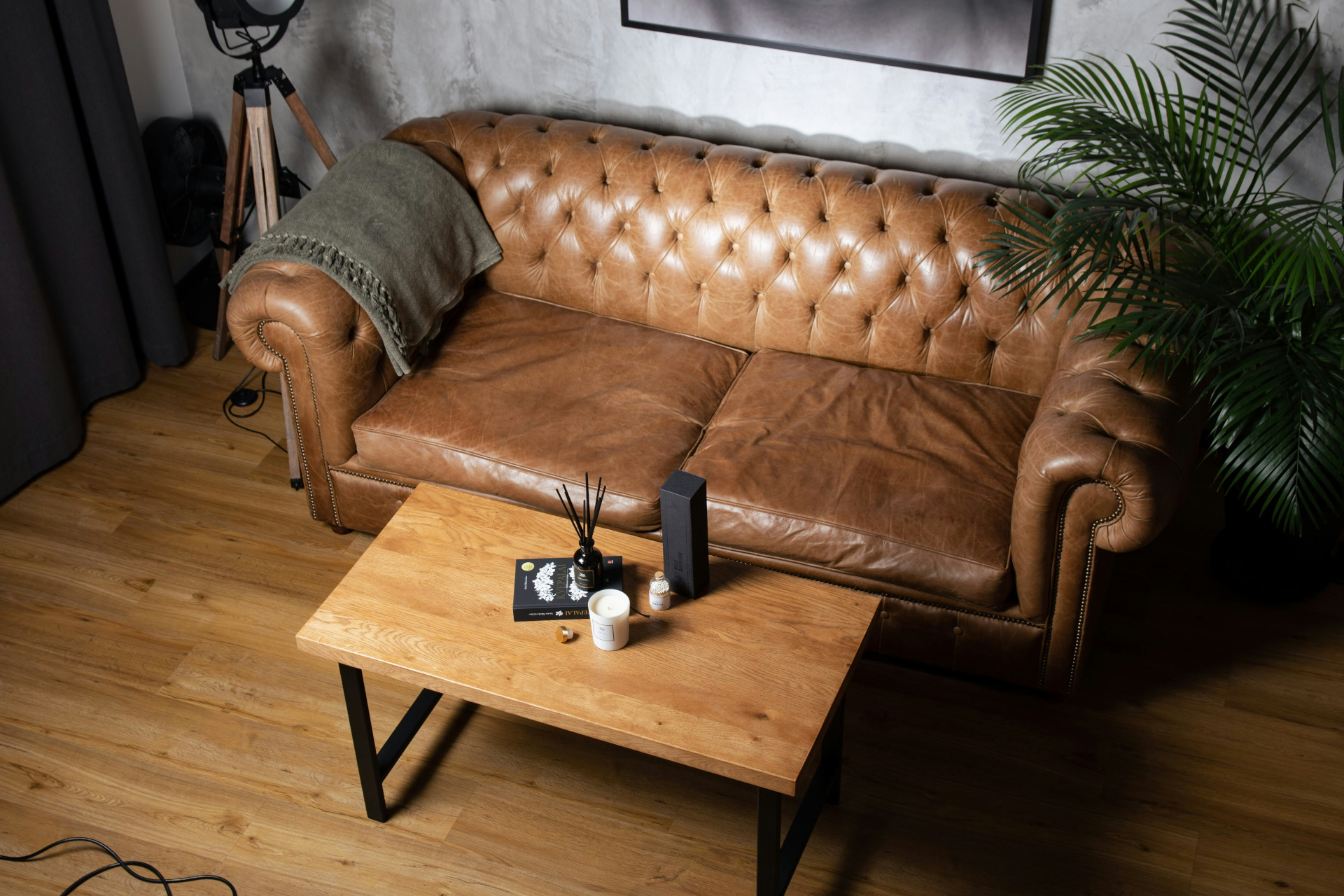
Expensive design often features recognizable designer furniture brands just for the name recognition. Luxurious design values raw, authentic materials that get better with age. Well-made items acquire character over time. A scratch on quality leather tells a story. Oxidized brass develops depth.
These changes make the piece more valuable to you, not less. Affordable luxury means choosing materials that improve as you live with them rather than items that need to stay pristine to maintain their appeal.
Expensive homes are often cluttered with trendy, oversized statement pieces that quickly go out of style. Luxurious spaces focus on the underlying bones of the room. How you structure a space matters more than what you put in it.
Built-in elements and proper proportions create a sense of permanence that no furniture arrangement can match. This is where you should concentrate your budget if you’re making strategic upgrades.
Even small spaces can benefit from architectural thinking. Proper zones and flow create spatial depth and a luxury feel regardless of square footage.

Expensive design is built for guests to admire. Luxurious design is engineered around your personal daily habits. Think about how you actually move through your space. Where do you set your keys? Where do you read? What makes your morning routine smoother?
A well-designed home anticipates these needs and eliminates the small frictions that add up over time. Affordable luxury means designing a home that works for your real life, not an imaginary one.
This table breaks down the core concepts of affordable luxury into a simple side-by-side comparison. Use it as a reference when making decisions about your own space.
|
Attribute |
Expensive Design |
Affordable Luxury |
|
Focus |
Status and brand recognition |
Personal expression and authenticity |
|
Aesthetics |
Flashy, trendy and photo-ready |
Timeless, comfortable and livable |
|
Materials |
High-gloss finishes and logo-heavy pieces |
Natural textures that develop patina |
|
Longevity |
Quickly dated as trends change |
Improves and gains character over time |
A man’s home should be an authentic reflection of his journey, his values and his identity. The furniture you choose, the materials you select and the way you organize your space all communicate who you are.
Affordable luxury isn’t about spending less. It’s about spending intentionally on things that matter to you and will continue to matter years from now. Every choice you make should serve a purpose or bring you satisfaction. Build a space that feels like yours, not like a showroom. That’s the foundation of real luxury.