
We are reader-supported. When you buy through links on our site, we may earn an affiliate commission.
We are reader-supported. When you buy through links on our site, we may earn an affiliate commission.
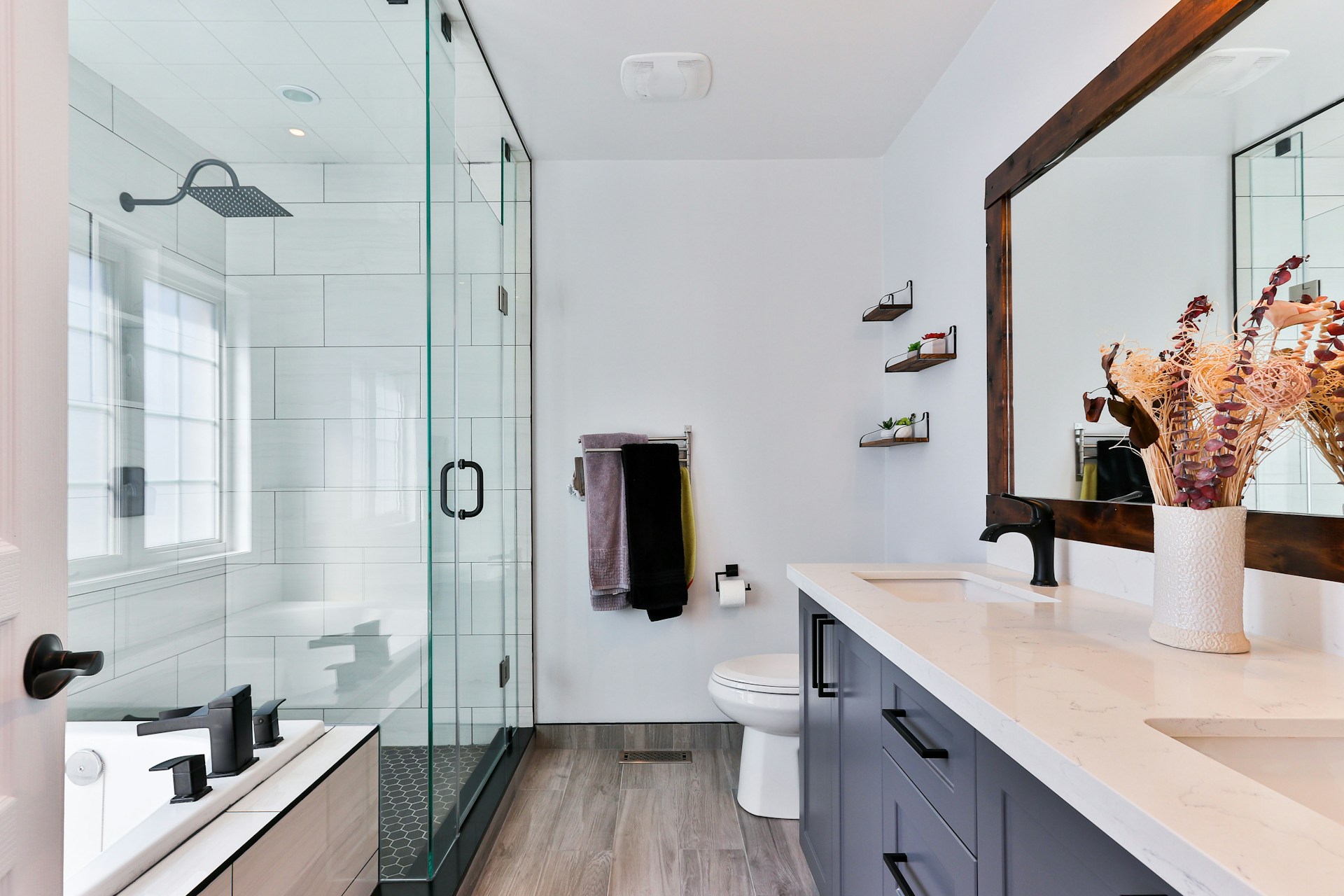
Bathroom trends come and go, but every so often, one design choice manages to balance style and practicality in a way that feels timeless. That’s exactly what’s happening with fluted glass shower screens. Once reserved for luxury homes and boutique hotels, these textured panels are now appearing in renovations of every size because they offer privacy, soften a bathroom’s appearance and create a high-end look without sacrificing natural light.
Fluted glass — sometimes called ribbed or reeded glass — features evenly spaced vertical grooves running across the surface. Unlike frosted glass, which diffuses light through an etched finish, fluted glass gently obscures what’s behind it while still allowing plenty of light to pass through.
The result is a shower screen that feels lighter than a solid wall but offers noticeably more privacy than standard clear glass. This combination of function and aesthetics is one of the biggest reasons homeowners are making the switch.
One of the biggest drawbacks of clear glass shower screens is that they leave everything on display. While this works in some minimalist bathrooms, many homeowners prefer a little more privacy without installing bulky walls or dark enclosures. That’s where fluted glass shower screens stand out.
The textured surface distorts outlines rather than completely blocking visibility. You still enjoy an open, airy bathroom, but the shower area feels more private and comfortable. For households where multiple people share the same bathroom, that extra level of privacy is often rough to make a noticeable difference.
Designers have embraced fluted glass because it introduces texture without overwhelming the space. Bathrooms often rely heavily on smooth materials like porcelain, ceramic, polished stone and painted walls.
The vertical lines also draw the eye upward, making ceilings appear taller and smaller bathrooms feel larger. Whether paired with matte black hardware, brushed brass fixtures or polished chrome, the textured finish complements a wide variety of design styles.
Another reason designers continue recommending fluted glass is that it creates subtle visual depth without competing with other finishes. In bathrooms featuring statement tiles, natural stone or bold fixtures, clear glass can sometimes feel almost invisible, while frosted glass can appear too flat. Fluted glass strikes a happy medium, adding texture that catches the light throughout the day and gives the shower enclosure a more considered, architectural appearance without overwhelming the rest of the space.
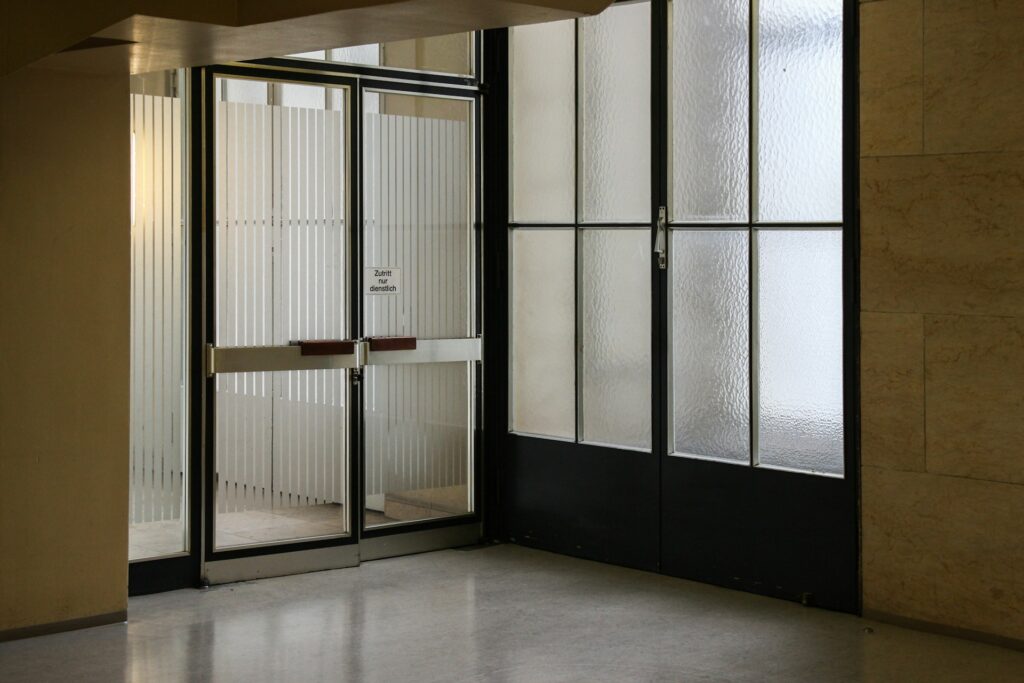
Bathrooms can sometimes feel overly bright, especially when they feature large windows or multiple LED light fixtures. Clear glass does little to reduce glare, but fluted glass naturally diffuses light as it passes through the textured surface.
Instead of sharp reflections, you get softer illumination that creates a warmer, spa-like atmosphere throughout the room. This subtle effect is one reason luxury hotels have increasingly incorporated ribbed glass into their bathroom designs.
Anyone with a clear glass shower knows how quickly it develops streaks, fingerprints, soap residue and water spots. You should clean your shower at least once a week, leaving the door open to let it air. While fluted glass shower screens still require cleaning, the textured surface naturally disguises minor marks between washes.
The grooves break up reflections, making everyday water spots less obvious than they would be on perfectly smooth glass. That doesn’t eliminate maintenance entirely, but it can help bathrooms look cleaner for longer.
One reason this trend has gained momentum is versatility. Fluted glass blends surprisingly well with a range of bathroom aesthetics, including:
Rather than dominating the room, the textured finish complements existing materials and fixtures.
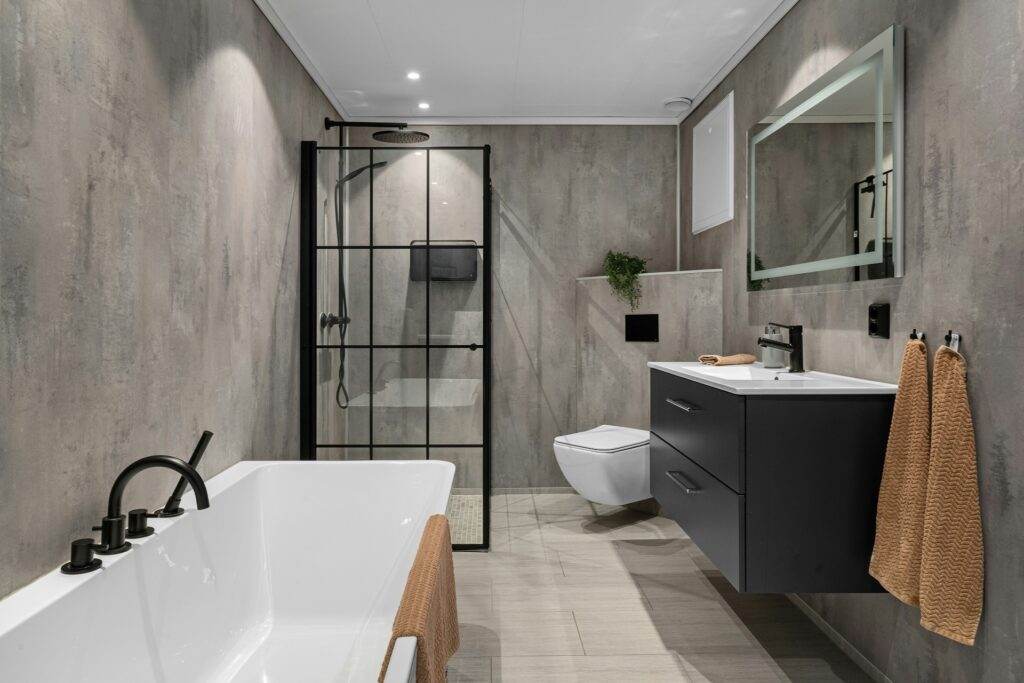
Many homeowners are moving away from heavily decorated bathrooms in favor of cleaner, calmer spaces. Texture has become the preferred way to add personality without relying on excessive accessories.
A ribbed shower screen reduces depth, catches light differently throughout the day and creates movement within the room. Because the interest comes from the material itself, there’s less need for decorative shelving, bold wall art or busy tile patterns. The result feels carefully designed rather than overly styled.
Small bathrooms benefit particularly well from fluted glass shower screens. Solid shower walls can make compact spaces feel boxed in, while completely clear glass sometimes exposes every corner of the room, making clutter more noticeable.
Fluted glass balances the two. It maintains visual openness while gently softening what’s behind it, helping the room feel more organized and spacious.
Today’s bathroom renovations increasingly focus on natural materials and calming color palettes. Fluted glass compliments many of the finishes currently dominating interior design, including:
Because it works alongside so many finishes, homeowners are less likely to see it fall out of fashion quickly.
Although there are plenty of advantages, fluted glass isn’t perfect for every bathroom. The grooves require slightly more attention during deep cleaning, as soap residue can collect in the textured channels over time. A soft brush or microfiber cloth usually solves the problem, but it’s worth considering if low maintenance is your top priority.
Cost can also be slightly higher than standard clear glass, particularly if you’re choosing custom-sized panels. However, many homeowners see that additional investment as worthwhile because of the visual impact and long-term appeal.
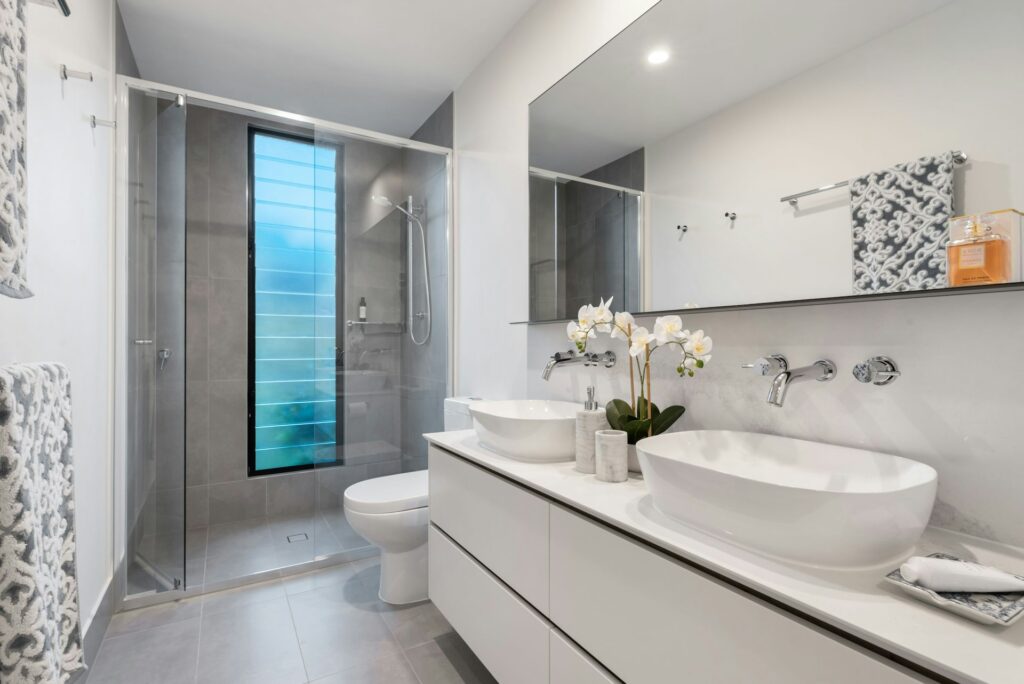
Bathroom renovations often focus on materials that look beautiful while making everyday life easier, and fluted glass shower screens deliver on both fronts. They provide more privacy than clear glass, often natural light, hide everyday water marks and introduce texture that instantly elevates a space. While trends will always evolve, this is one design choice that combines practicality with timeless style, making it easy to see why so many homeowners are leaving clear glass behind.