We are reader-supported. When you buy through links on our site, we may earn an affiliate commission.
Animal print has always been around. It surges into popularity, retreats into the background and then quietly reappears when the cultural mood shifts toward boldness again. Right now, it’s back — but in a way that feels more intentional, more refined and far less chaotic than its early-2000s heyday. It’s no longer about excess, but rather about confidence, which is why animal print home decor is finding its way into thoughtfully designed spaces once more.
Why Animal Print Is Trending Again
During the age of exploration, French explorers traveling through Africa and the Americas encountered animals like leopards and brought specimens back to Europe, where they became prized symbols of status and were incorporated in noblemans’ decor. Today, fashion often sets the tone for interior shifts. With houses like Dolce & Gabbana and Robert Cavalli returning to their signature leopard and exotic motifs on the runway, interiors have followed suit. Pattern feels expressive again. Personal style matters, and homes are beginning to reflect that renewed boldness.
There’s also a broader movement away from stark minimalism. After years of all-white spaces and ultra-clean lines, homeowners are craving warmth and personality. Animal print home decor answers that call by adding depth without sacrificing sophistication. When used thoughtfully, it feels organic rather than flashy.
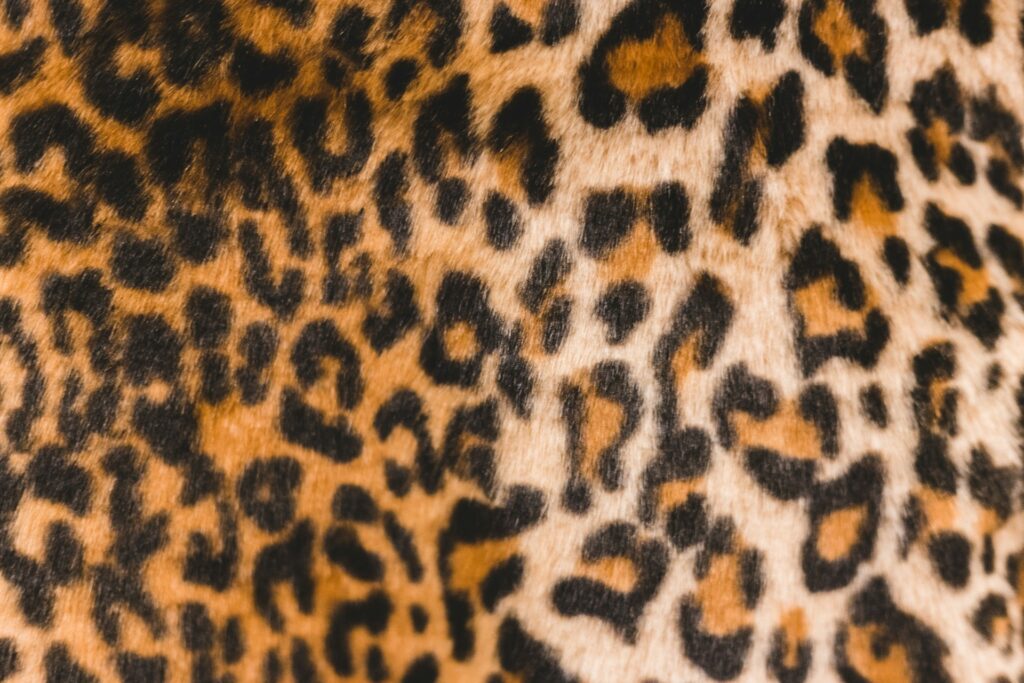
Leopard, in particular, blends browns, blacks and creams in a way that pairs beautifully with wood, linen and brass.
The Difference This Time Around
In the past, animal print often leaned maximalist. Entire sofas were upholstered in zebra and accent walls were drenched in cheetah. The look could be dramatic, but it’s rarely subtle.
Today’s approach is quieter and more curated. Designers incorporate animal print in measured ways, allowing it to create contrast without overwhelming the room. Instead of competing for attention, it complements the architecture and materials already present.
A leopard bench against a neutral wall, a tiger-print pillow on a linen sofa or a cowhide rug layered over jute are simple examples. These gestures feel deliberate and signal taste rather than trend-chasing.
How to Introduce Animal Print Without Overdoing It
The key is proportion and placement. Pattern needs breathing room and the surrounding design should feel calm enough to support it.
Start With Soft Furnishings
Textiles are the most forgiving entry point. Cushions, throws, ottomans and small upholstered stools allow you to experiment without committing to structural changes. They can be rotated seasonally, which makes them ideal for testing your comfort level.
A single leopard pillow on a neutral sofa immediately adds depth and dimension. This is where many homeowners first explore animal print home decor, because it allows the pattern to enhance rather than dominate.
Anchor the Room With a Rug
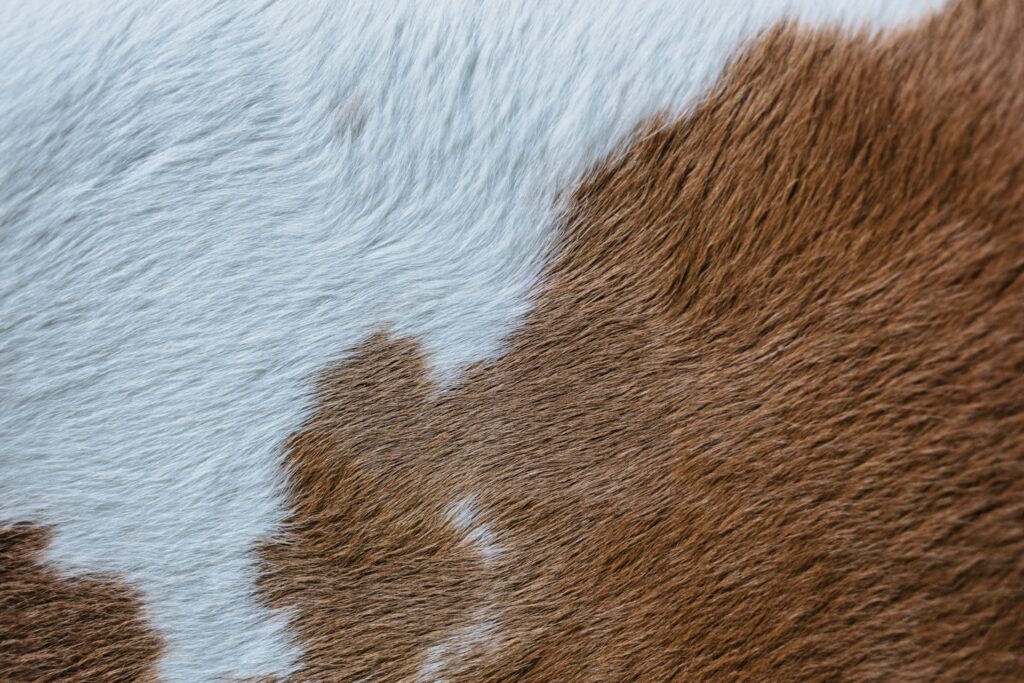
A rug introduces a pattern at ground level, which naturally feels more grounded and cohesive. It’s usually the final element that brings a room together. Cowhide adds texture and organic shape in one move. It reads as layered rather than loud.
In larger rooms, a muted zebra or leopard rug can act as the foundation for the entire design scheme. Keep surrounding furnishings streamlined and neutral so the rug becomes the anchor. When balanced properly, animal print home decor at this scale feels architectural.
Incorporate It Through Accent Furniture
For those ready to commit further, consider a statement piece. A leopard-upholstered bench at the foot of the bed or a compact armchair in a reading corner can be great additions.
The emphasis should remain on isolation. One confident piece makes a big impact, while multiple competing pieces can feel theatrical.
Use Art and Framed Textiles
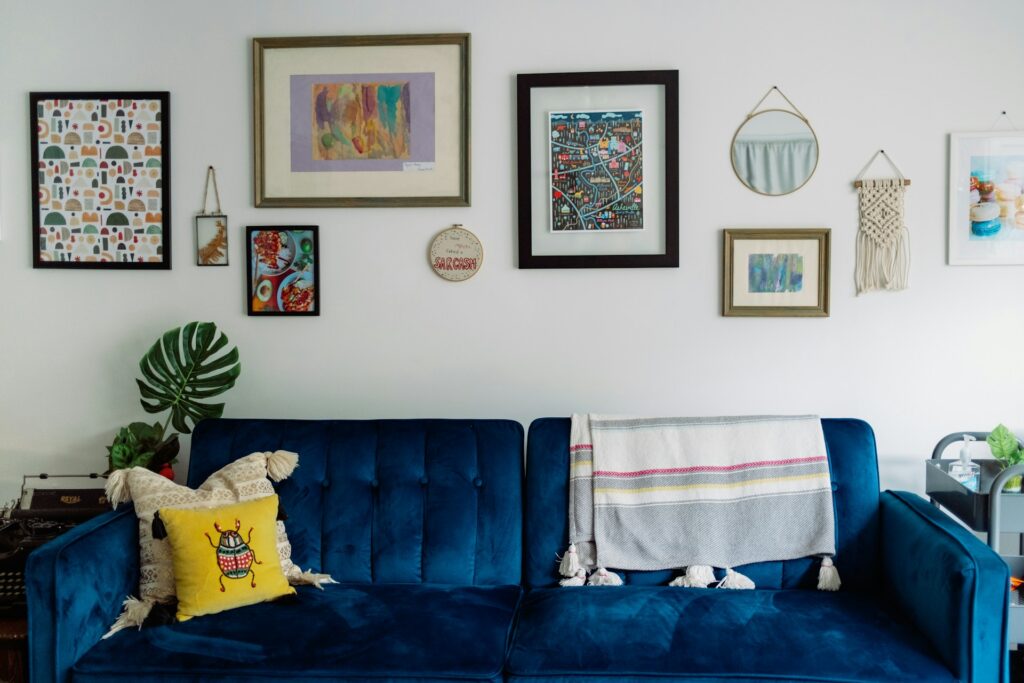
Animal print doesn’t have to live only in upholstery. Framed textiles, abstract interpretations of zebra striping or wildlife-inspired artwork offer a refined entry point. This approach feels particularly effective in minimalist spaces, where patterns can serve as a controlled contrast.
Art allows the motif to feel expressive yet contained. It’s a subtle nod rather than a full embrace.
Layer It Into a Neutral Color Palette
Animal print thrives within warm neutrals like cream, caramel, chocolate brown and soft gray. These tones allow the pattern to blend naturally into its surroundings.
Layering is crucial. Try smooth linen against patterned fabric or matte wood beside textured hide. The interplay of materials adds richness without clutter. When integrated thoughtfully, the print feels timeless instead of trendy.
Experiment in Smaller Spaces
Bathrooms, entryways and home offices are ideal testing grounds. Smaller spaces can handle bolder applications because they’re visually contained. For example, zebra wallpaper in a bathroom feels dramatic but controlled.
By confining the pattern to one defined area, you create impact without overwhelming your entire home. If you love the result, you can introduce subtle elements elsewhere with confidence.
Where Animal Print Works Best
Living rooms and bedrooms naturally accommodate layered textiles, making them easy environments for animal prints. Cushions, rugs and upholstered accents already play a role in these spaces, so the pattern integrates seamlessly.
Entryways also benefit from a bold touch. A leopard bench or zebra runner creates a memorable first impression without dictating the design of adjoining rooms. In contained areas, the print feels purposeful rather than excessive.
What to Avoid
Animal print is powerful, which means it requires intention. Without restraint, it can quickly shift from refined to overwhelming.
- Over-layering multiple prints: Mixing zebra, leopard and tiger all in the same room can create visual chaos. If you’re not deliberately designing a maximalist space, stick to one dominant pattern and let it lead.
- Ignoring scale and proportion: An oversized print in a small, already busy room can feel cramped rather than bold. Always consider the size of the space and allow the pattern enough breathing room.
- Choosing low-quality materials: Poorly printed fabrics or synthetic textures can make even tasteful animal print home decor look costume-like. Investing in well-made textiles ensures the pattern reads as elevated and enduring.
- Forgetting balance: When every element competes for attention, nothing stands out. Anchor animal print with neutral tones, natural materials and clean lines so the room feels curated instead of cluttered.
- Forcing the trend: Not every home needs a bold pattern. If it doesn’t align with your personal style or existing aesthetic, it’s better to admire the look from afar than to introduce something that feels out of place.
Is It Worth the Investment?
Animal print never truly leaves, it just evolves. Its recurring popularity speaks to its connection to nature and its ability to introduce organic contrast into structured spaces. Used with intention, it transcends trend cycles. This time around, it’s less about spectacle and more about subtle strength. When handled with balance and confidence, it adds depth, character and a quiet boldness that feels timeless.
About The Author
Olivia Elsher is a Senior Writer and Editorial Manager at Renovated. She has over 5+ years of experience writing about property related topics such as: real estate, home improvement, renovation, and construction.