
We are reader-supported. When you buy through links on our site, we may earn an affiliate commission.
A commercial building is a structure located on commercially-bought real estate. BuA commercial building is a structure located on commercially-bought real estate. Buyers purchase commercial properties to generate a profit, whether from a business or rental income, such as a cafe or multifamily home.
A building inspector will check four major interior systems when evaluating a commercial property. These include:
They will also examine fire safety mechanisms, the structure’s exterior and integrity, building documentation and accessibility compliance, if necessary.
The electrical portion of a building inspection contains three portions — an outlet inspection, a breaker analysis and a wiring examination to ensure the home’s system is safe and functioning well.
They will use a tester to determine each outlet’s functionality before looking at the breaker box to ensure correct connections. They will pay extra attention to the kitchen and bathroom breakers, ensuring the builder grounded them to protect you and your appliances.
An inspector will also look at the wiring throughout the building to determine any unsafe connections.
Inspectors use thermal imaging cameras to detect potential electrical issues, such as overheating components or loose connections. They also assess the building’s electrical capacity, ensuring it meets current power demands, especially if the owner is repurposing older structures for contemporary use.
An inspector will look at each mechanical portion of the building, including elevators, large machinery and irrigation systems.
They will examine each system’s functionality and determine its safety. They will then recommend any necessary repairs to help keep everything running smoothly.
The inspector assesses machinery compliance with current Occupational Safety and Health Administration (OSHA) standards for industrial properties. They also evaluate the presence of proper lockout/tagout procedures for maintenance safety.
The heating, ventilation and air conditioning unit is necessary to ensure everyone is safe and comfortable throughout the building. Inspectors will examine the building’s central heating and air conditioning to determine whether they are safe and effective for regular use and ensure proper ventilation throughout the home.
Overworked HVAC systems lead to poor indoor air quality in the long run. The inspector evaluates the building’s compliance with ASHRAE Standard 62.1-2010 for ventilation and assesses the effectiveness of air filtration systems.
The plumbing portion of your building inspection includes examining drains, sinks, showers, bathtubs and toilets. The inspector will run each faucet and check the water heater for safety and efficiency. The water should be clean and connected to the right source.
Plumbing inspections also incorporate leak detection technologies to identify hidden leaks within walls or under flooring. The inspector evaluates water pressure and flow rates to ensure compliance with local codes and assesses the condition of pipe materials, paying attention to older buildings that may contain outdated materials.
Building inspectors thoroughly assess the structural integrity of commercial properties for cracks, settling or other signs of instability. They also inspect load-bearing walls, columns and beams for signs of deterioration or damage.
Inspectors also evaluate the roof structure, checking for proper support and indications of sagging or stress. In areas prone to specific environmental challenges, such as high winds or seismic activity, structural reinforcements and bracing systems must ensure the building can withstand these forces.
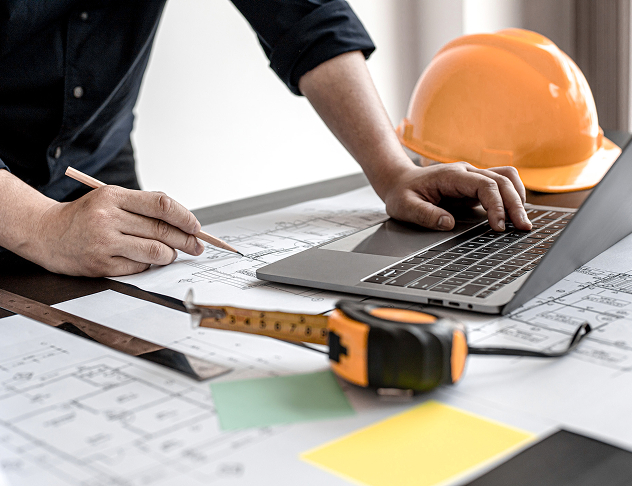
A critical aspect of commercial building inspections is the review of documentation. An inspector examines building permits, certificates of occupancy and variances or special use permits. They verify that all necessary documentation is current and complies with local regulations.
Expect inspectors to check for up-to-date fire safety certificates, elevator inspection reports and required environmental compliance documents. They also review maintenance records to ensure critical systems and structures are regularly maintained.
If applicable to the local building code, inspectors evaluate commercial properties for compliance with accessibility standards, particularly those outlined in the Americans with Disabilities Act. They check for proper ramp slopes, doorway widths and the presence of accessible parking spaces.
Inspectors assess the accessibility of common areas, ensuring that pathways are clear and there are no barriers to movement. Elevators, if present, must meet accessibility requirements, including appropriate control panel heights and audible signals.
Fire safety is an essential component of commercial building inspections. Almost 2,000 people died due to fires in 2023. The inspector thoroughly examines suppression systems, including sprinklers, extinguishers and standpipes. They check alarms, including smoke detectors and manual pull stations, are properly installed and functioning.
The inspector will also evaluate the emergency lighting and exit signs to ensure they are visible and operational. They assess fire escape routes, verifying that they are clearly marked and unobstructed.
Building inspectors ensure the structure is safe and compliant beyond the main interior systems. These additional inspections cover vital aspects of the building’s exterior and overall safety features.
If your building fails inspection, it will have to cease operation. If the issue is minor, like a smoke detector or window replacement, you can resume. However, larger issues could take significant time, leading to financial or legal issues. Your client may even decide to break their contract.
It’s important to ensure your building systems are up-to-date and everything is secure before the inspection. You can do this by researching area requirements and speaking to credible contractors throughout the building or renovation process.
The last thing you want is for your or your client’s business to get delayed due to poor planning. Passing the inspection is the key to opening a building’s possibilities. Speak with licensed contractors and research the guidelines in your area to ensure your building is good to go.
Original Publish Date 1/31/2023 — Updated 1/16/2025