What Plants Repel Insects More Effectively Than Traditional Options?


We are reader-supported. When you buy through links on our site, we may earn an affiliate commission.
Pest control is an underrated benefit of incorporating vegetation into home and office design. Aromatic plants are nature’s solution to bug problems. Their scents are sweet-smelling to humans but offensive to certain insects. They keep pesky unwanted guests at bay without spraying harmful chemicals that contaminate indoor air.
Use greenery to ward off bugs when beautifying your property’s outdoor space and integrating biophilic design into your interiors. Consider these natural insect-repellent plants.
Natural Insect-Repellent Plants for Home
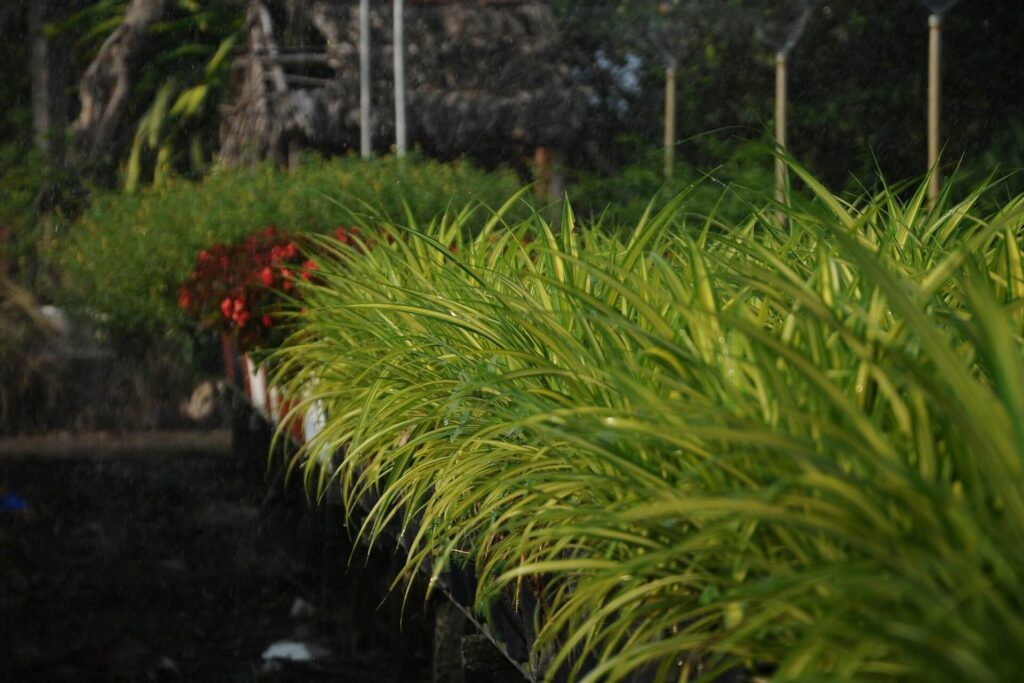
These plants work well in homes because they fit easily in small pots, window boxes, balconies and entryways.
Catnip
Catnip is one of those plants that keeps mosquitoes away. It contains nepetalactone, a substance found in the herb’s essential oil with bug repellence properties that are as effective as those of DEET, a synthetic compound that disrupts mosquito sensors.
Unlike DEET, which can have potentially adverse health effects, the essential oil produced by catnip is safe. Bed bugs, dust mites, stable flies and ticks also can’t stand nepetalactone.
Citronella
Citronella has aromatic leaves and essential oils with a citrus scent that help discourage insects. Although the herb has earned the name “mosquito plant,” experts note that the live plant contains only trace amounts of citronellal, the substance that repels these winged pathogen carriers.
For best results, grow citronella in the yard alongside other plants that keep mosquitoes away. Alternatively, crush its leaves to release the oil and create a stronger smell pest can tolerate.
Lemongrass
Lemongrass has high citronellal content. This natural pest repellent is more useful when planted in large clumps, so use it whenever possible.
Many growers use lemongrass as patio perimeter vegetation. The plant is suitable for large outdoor containers and can serve as a background for tropical-themed flower beds.
Mint
This plant gives off a menthol scent that can help keep mosquitoes, ants and flies away. Since it spreads quickly, you should cultivate it in containers.
It can grow outdoors and indoors. If you want a fresh supply of fresh mint, place pots in areas that receive bright sunlight.
Natural Insect-Repellent Plants for Work
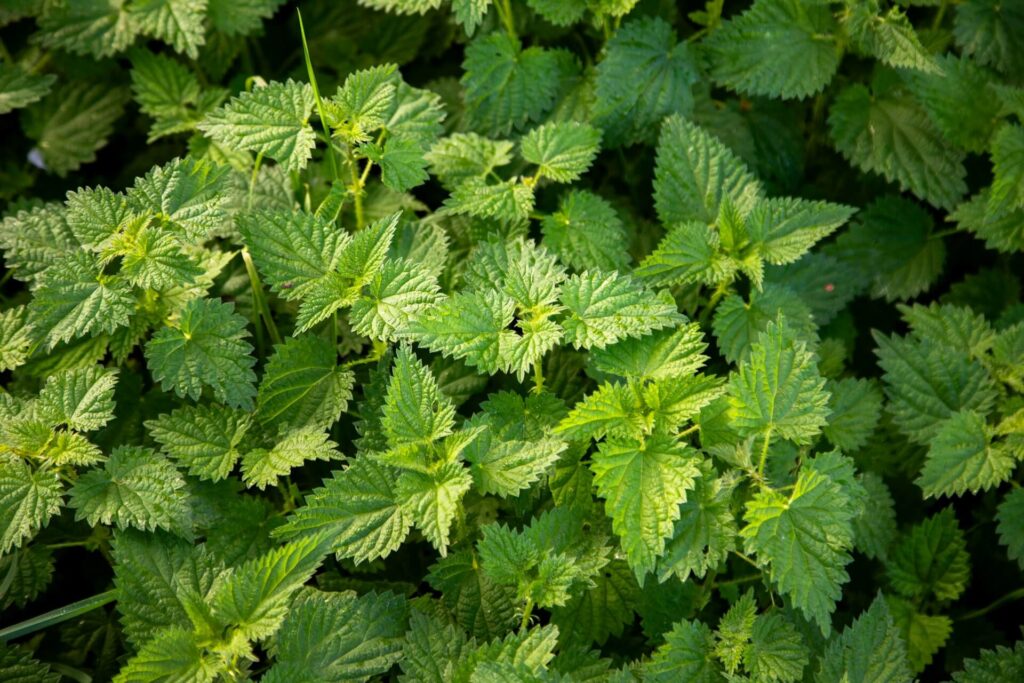
The ideal natural insect-repellent plants for workplaces are low-maintenance, compact and suitable for desks, kitchens, conference rooms or reception areas.
Allium
Alliums, including ornamental onions and garlic relatives, release sulfur compounds that insects can’t tolerate. They work best in landscaping outside office buildings rather than indoors.
Lemon Balm
Lemon balm is a source of citronellal, which gives it a scent similar to citronella. It can help repel mosquitoes, though you should keep it in pots to contain it as it grows quickly.
Peppermint
Peppermint works well in office kitchens or break rooms. Its scent can help discourage flies and mosquitoes while making the room smell fresher.
Snake Plant
The snake plant may repel common bugs with its natural pesticide, saponin. Though they’re not known for strong-smelling oils, they’re forgiving and improve indoor air quality.
However, snake plants aren’t pet-friendly. They can be toxic to animals, so avoid growing them around the workplace when it’s typical for employees to bring pawed companions to work.
Natural Insect-Repellent Plants for Homes and Offices
These plants can repel insects in both residential and work environments.
Basil
Basil thrives in kitchens and sunny windowsills. Its oils help deter mosquitoes, flies and gnats. Crushing the leaves intensifies the scent. It’s attractive and easy to grow.
Lavender
Lavender has a strong floral scent that’s pleasant to people but not to mosquitoes, moths and flies. Place it near windows, doorways, reception desks and patios to create a calmer and more pleasant home or office atmosphere.
Marigold
Marigolds contain pyrethrum, a common ingredient in insect sprays. Aphids, whiteflies and mosquitoes stay away from these plants. Grow them near doors, windows, terraces or outdoor seating areas to discourage annoying insects from gathering.
Rosemary
Rosemary’s woody scent can discourage mosquitoes and gnats. This plant is compact, drought-tolerant and easy to keep in bright office spaces. It flourishes in pots and looks perfect near outdoor seating areas or kitchen windows.
What to Consider When Choosing Plants to Naturally Repel Insects

Not every plant is effective as a natural pest repellent in every house or office. Be selective about which highly scented herbs to grow and what it takes to keep them alive, to keep bugs out and avoid unintended consequences. Here are the primary factors to keep in mind:
- Pest type: Realize that each aromatic plant emits a specific scent that may only be off-putting to certain insects. Be mindful of how your target pests move when choosing the natural bug repellents to plant. Flying insects can easily bypass greenery meant to repel soil-borne crawlers.
- Plant choice: Familiarize yourself with the specific bugs you hope to get rid of to determine what to grow. Otherwise, your yard vegetation and indoor potted plants wouldn’t have as much impact on pest control as you think they would.
- Scent potency: See how strong an aromatic plant’s odor is. Those with weaker smells may require high volume to fill the air with a powerful, pervasive scent that unwanted bugs hate.
- Desired conditions: Know the ideal growth conditions for your preferred natural insect repellent to ensure the plant can survive in your home or workplace. Most anti-bug herbs require full sunlight and well-drained soil.
- Growth habit: Identify which aromatic plants that keep mosquitoes and other bugs away can spread quickly and become invasive species. Growing them in pots helps keep their reach in check.
- Maintenance: Understand that many natural insect-repellent plants become more drought-tolerant once they establish deep root systems. Although pest-resistant environments require hands-on care, these herbs usually need less watering over time. Some require frequent pruning to trigger growth and produce potent scents.
- Placement: Choose strategic locations to boost your vegetation’s pest repellency effects. High-traffic areas, entrances and socialization spots are excellent candidates.
- Downsides: Determine which aromatic herbs are generally harmful to animals to avoid getting pets sick. For instance, dogs can experience a seizure from drinking water laced with lavender. Consulting experts, such as botanists and master gardeners, beforehand is key to growing natural, insect-repellent, pet-friendly plants.
Repel Pests Naturally With Aromatic Plants
Growing highly scented herbs around the house or workplace is key to keeping the environment fresh and bug-free. Put considerable thought into this endeavor to achieve your goals and avoid pitfalls that can put your beloved pets out of harm’s way.
About The Author
Rose is the managing editor of Renovated and a dedicated freelance writer with over six years of experience in the home and garden industry. Her passion for landscaping and sustainable practices is deeply rooted in her upbringing — growing up in a family of contractors, she was exposed to the world of construction and design from a young age. This hands-on experience fostered her love for nature and gardening, giving her a green thumb and a keen eye for creating beautiful outdoor spaces.
Throughout her career, Rose has honed her expertise in researching and writing about sustainable construction practices, focusing on innovative technologies that enhance the built environment while minimizing environmental impact. She is particularly interested in green roofing, water-efficient landscaping, and integrating native plants in design, all reflecting her commitment to sustainability. Rose's work has appeared in various publications, where she shares valuable insights and practical tips for seasoned professionals and novice DIY-ers.
In addition to her writing, Rose enjoys collaborating with landscape architects and contractors on projects that emphasize eco-friendly design and sustainable materials. She believes that every garden has the potential to be a vibrant ecosystem and works to inspire others to create spaces that are not only beautiful but also environmentally responsible.