


We are reader-supported. When you buy through links on our site, we may earn an affiliate commission.
Have you ever wanted to pack away this season’s baggy coats and jackets because they take up so much closet space? A vacuum storage bag can make your life much more organized and convenient when seasonal clothes take over. If you’ve ever struggled to squeeze in more storage, vacuum seal bags could be your answer. These airtight compression storage solutions shrink your clothes to a fraction of the size, making organizing easier than ever.
A vacuum storage bag is a specially designed plastic bag that removes excess air to compress clothing, bedding and other soft items. It works by using a vacuum or hand pump to extract air, significantly reducing the overall volume of your stored items.
Initially designed to serve in the food industry to keep food fresher for longer, these bags are now repurposed to store and organize clothes, wrap machine parts, and protect upholstery during transport. Vacuum applications are endless.
Vacuum seal bags are a fantastic investment. Choose a vacuum seal bag to:
To use a vacuum seal bag effectively requires a little preparation, but the steps are easy. To ensure the best results, you should:
You should choose a vacuum seal bag in the size that works best for the items you’re storing. The size depends on what goes inside the bag. Your options include:
Some brands offer jumbo sizes and specialized vacuum seal bags like coat bags, which offer extra length and space for coat hangers.
While it’s easy to believe you can store anything in a vacuum seal bag, it’s mostly for safely securing these items:
Some items aren’t meant for storage in vacuum bags. These items are primarily solid, meaning vacuuming won’t reduce their size or they are too rigid and can damage the vacuum bag. Avoid sealing things like shoes, kitchen utensils and other containers.
Sealing a vacuum bag properly ensures long-term storage without losing compression. Follow these steps for an effective seal:
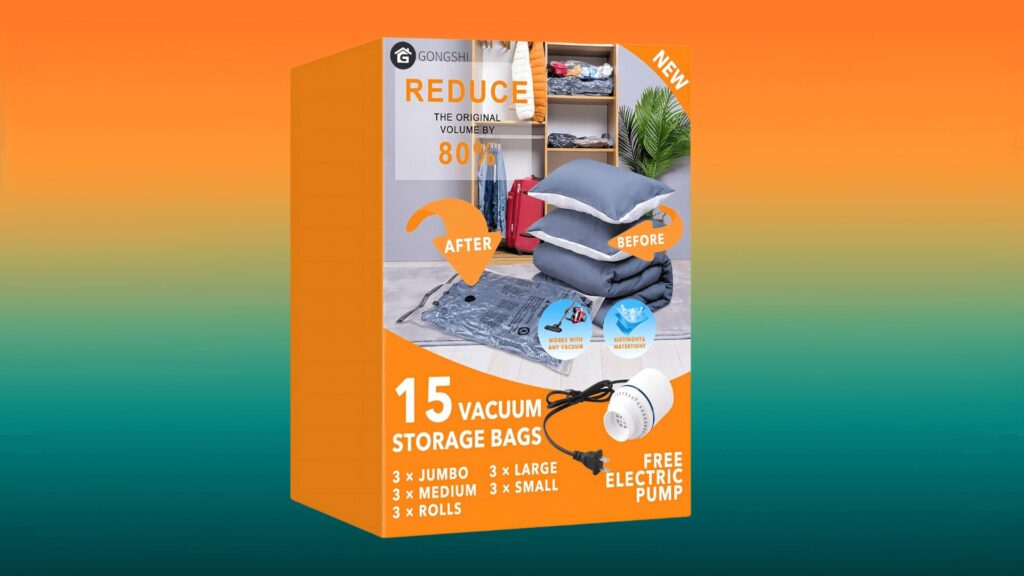
This mixed pack of vacuum bags is perfect for organizing a spare closet at home. Each bag can reduce the contents size by as much as 80% under compression. The set includes three jumbo, three large, three medium, three small bags and three roll-up bags. It’s enough to neatly compress and store a fully packed closet of winter clothes and comforters. The double zip ensures maximum airtight closure, and the handy electric pump is ideal for compression.
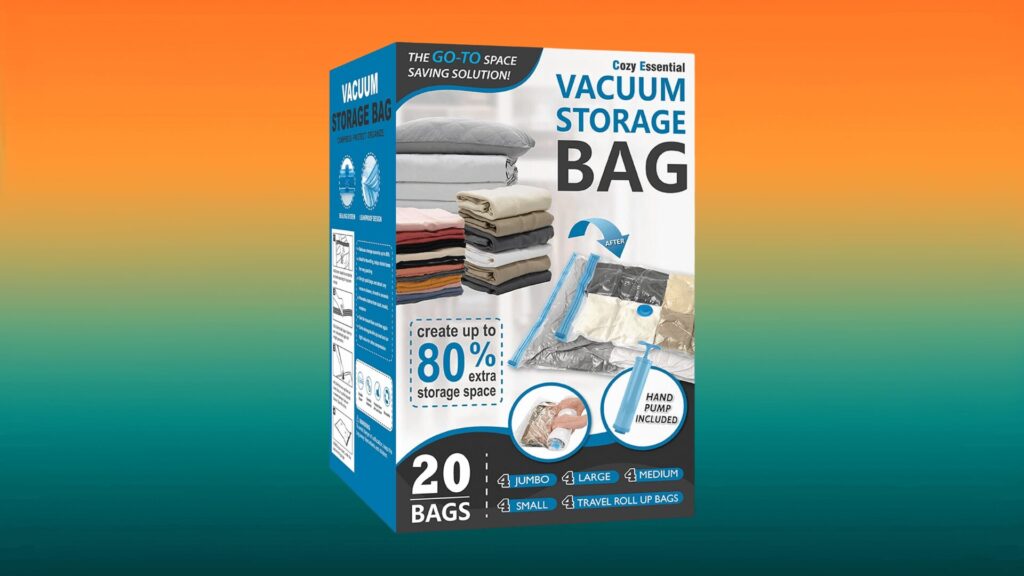
This bulk pack contains 4 jumbo, extra-large, large, medium, small and roll-up bags. The design offers extra protection with a triple valve and a double-seal zipper, but it comes with a manual pump only, so it’s going to take a little elbow grease to compress all the bags.
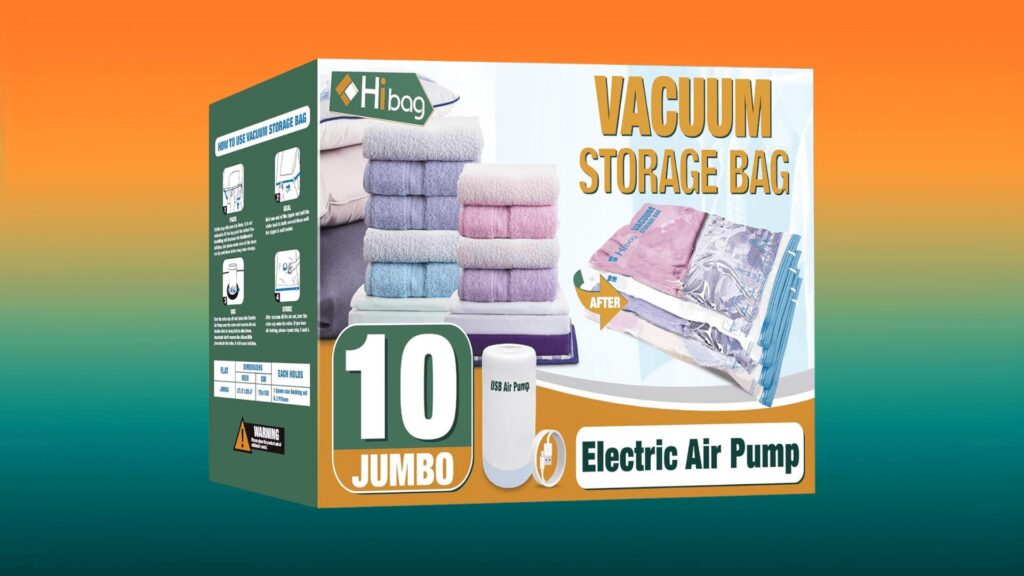
If you’d prefer to get several bags of the same size, these bags are ideal. Choose from bulk bags in a mixed variety or several large bags up to jumbo size. These 10 jumbo bags are perfect for repacking and storing your winter bedding and extra pillows. The set comes with a USB-powered electric pump so you simply pack a bag and compress it in 30 seconds with the push of a button. Maintain compression with the double zipper and a leak-proof valve.
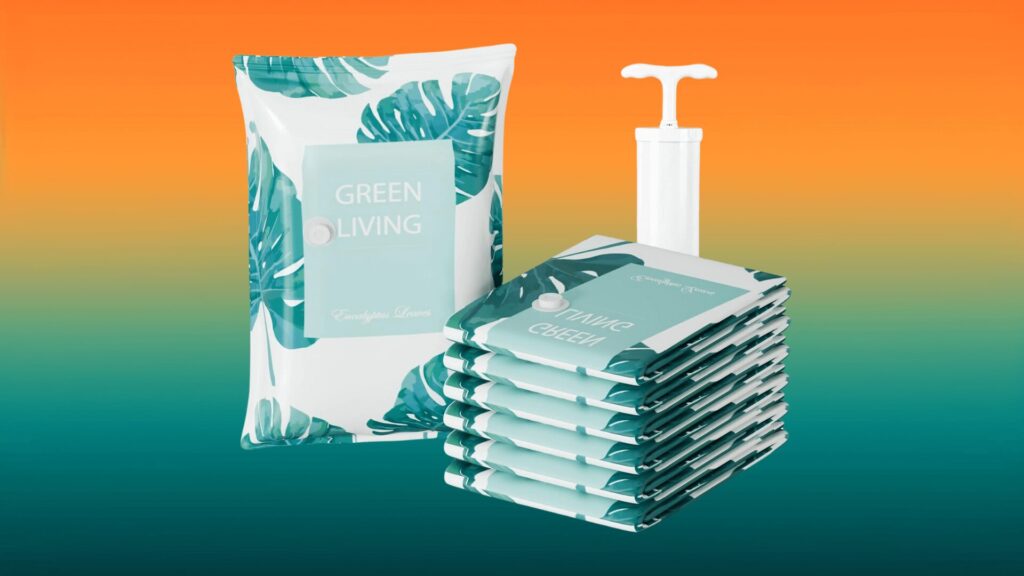
For private and convenient storage, these patterned bags are ideal for organizing your closet without having the compressed items on view. It’s a neat and universal way to create order in your closet. Remember to label the bags with a marker so you know what’s in the bags. The set includes two small, four large, four medium and two jumbo bags with a manual pump.
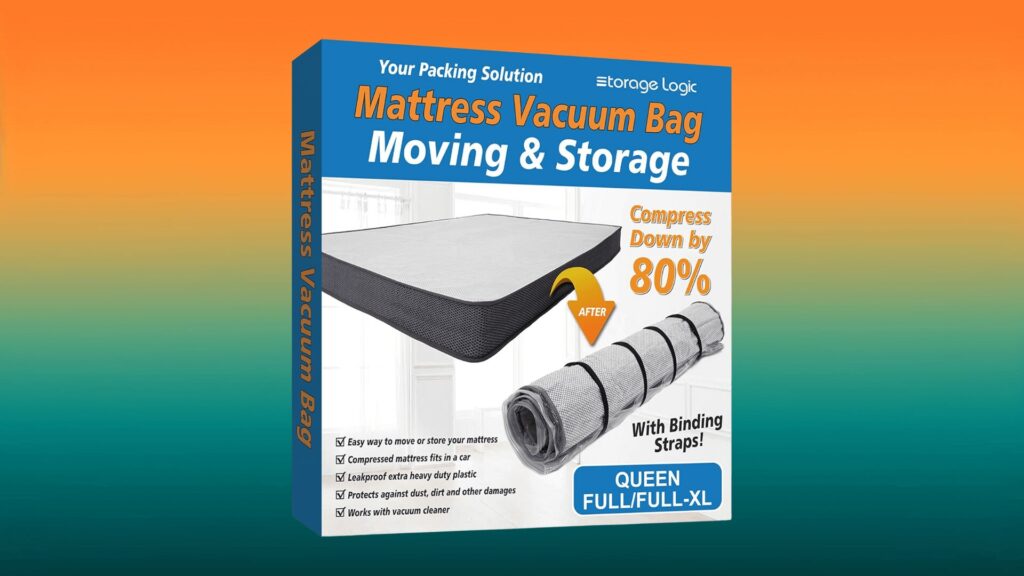
One of the largest items to keep in storage is a foam or bed-in-a-box type mattress. Keeping them under compression makes much more sense and frees up an amazing amount of space. This compression bag works with a vacuum cleaner, and it includes binding straps, so you can reduce the mattress size by 80% and then roll and strap it for easy storage.
Not all vacuum bags are created equal. To get the best ones for your needs, consider these factors:
Clothes can stay compressed in vacuum bags for several months up to a year, depending on the fabric type. However, storing delicate or natural fibers like wool, silk or down feathers for long periods can cause fiber compression, making them lose shape. For long-term storage, it is best to remove clothes and let them air out every few months.
You should store vacuum bags in a cool, dry place, away from direct sunlight and sharp objects. Under-the-bed storage, closet shelves or storage bins work well. Avoid placing them in humid environments like basements or attics, where moisture buildup could compromise the seal or the contents.
Store unused vacuum bags flat, ensuring no pressure on the seams or the seal. Avoid folding them, as this can cause the plastic to crack.
Vacuum bags can wrinkle clothes depending on how long clothing is in the vacuum bag. Avoiding long-term storage and folding clothes neatly before sealing the bag can prevent and reduce wrinkles in your clothing. If there are wrinkles in your clothing after taking them out of the vacuum bag, hang them up and let the wrinkles fall out naturally. You can also use a steamer or iron for more stubborn wrinkles.
It depends on what you are storing. Use small or medium-sized bags for clothing and travel. Large or extra-large bags work best for bedding, winter coats and bulky items. Jumbo-sized bags are perfect for storing or moving large textile items like duvets.
Vacuum bags do not reduce weight. Though frequent flyers may want to use this as a method for reducing the weight of their luggage, vacuum bags only reduce volume by removing air. Though storing clothing in vacuum bags can save space in your suitcase, it also means you can put too much in your suitcase, exceeding the weight limitations airlines require.
Vacuum storage bags are a game-changer when it comes to organizing your space, protecting your belongings and making the most of your storage areas. Whether you need a storage solution for seasonal clothes, travel or long-term storage, these simple yet effective bags can help you declutter effortlessly.
Original Publish Date 4/1/2025 — Updated 11/25/2025