


We are reader-supported. When you buy through links on our site, we may earn an affiliate commission.
Black mold often surprises homeowners. You might open the cabinet below your sink or decide to relax on your back porch and spot the fungi infestation. The fuzzy growth isn’t something you should leave for another day. Learning what kills black mold on wood could protect your long-term health and simplify your efforts to prevent it from returning.
Black mold is a health threat because it releases spores that cause infections in your airways if you breathe them in long enough. The spores can travel significant distances once they’re airborne. Even if the mold growth is a few feet away from where you typically spend time in your home, it can still make you sick.
Wood is a porous surface due to its natural texture. Scrubbing any fungi off of it can be challenging. The good news is that you have numerous options to kill black mold on wood:
You can follow your cleaning efforts with a mold-prevention product to keep the spores from taking root again. However, it’s not entirely necessary. Watch where the black mold grew and scrub the area again if it returns. The DIY solutions work on a microscopic level, though, so the mold shouldn’t return unless it’s growing in an undiscovered area nearby.
Bleach can kill mold on nonporous surfaces like painted walls, but it can’t remove the fungi on porous wood. Mold spores are so tiny that they form deep roots within exposed timber. Bleach will remove visible mold growth, but it won’t penetrate the surface deep enough to prevent the fungi from returning. You’ll get better results by using a homemade solution that sinks deep into each tiny pore, like white vinegar or hydrogen peroxide.
Your black mold infestation might not be the only one in your home. If you’ve got fuzzy growths in various colors, you may need different strategies to kill the fungi. Discover what works best with each mold species to make your efforts more effective.
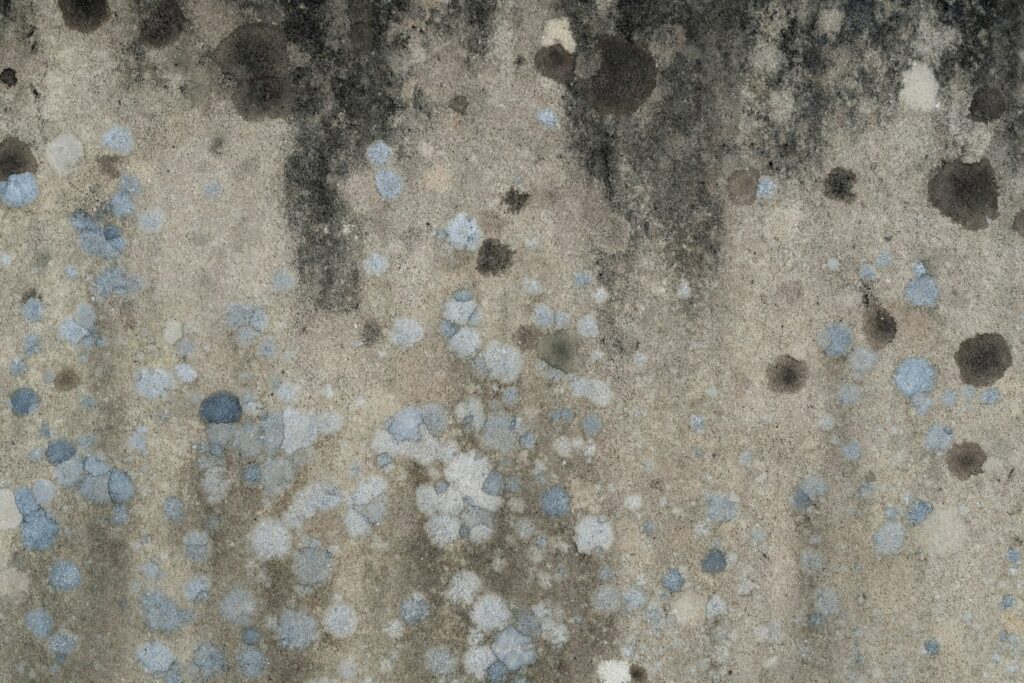
Use a DIY cleaning solution like hydrogen peroxide, baking soda or white vinegar mixed with water to kill black mold on wood. They’re effective because they’ll sink deep into the material and neutralize every last mold spore. You’ll also find they’re budget-friendly, which may be a relief if your black mold infestation is expansive.
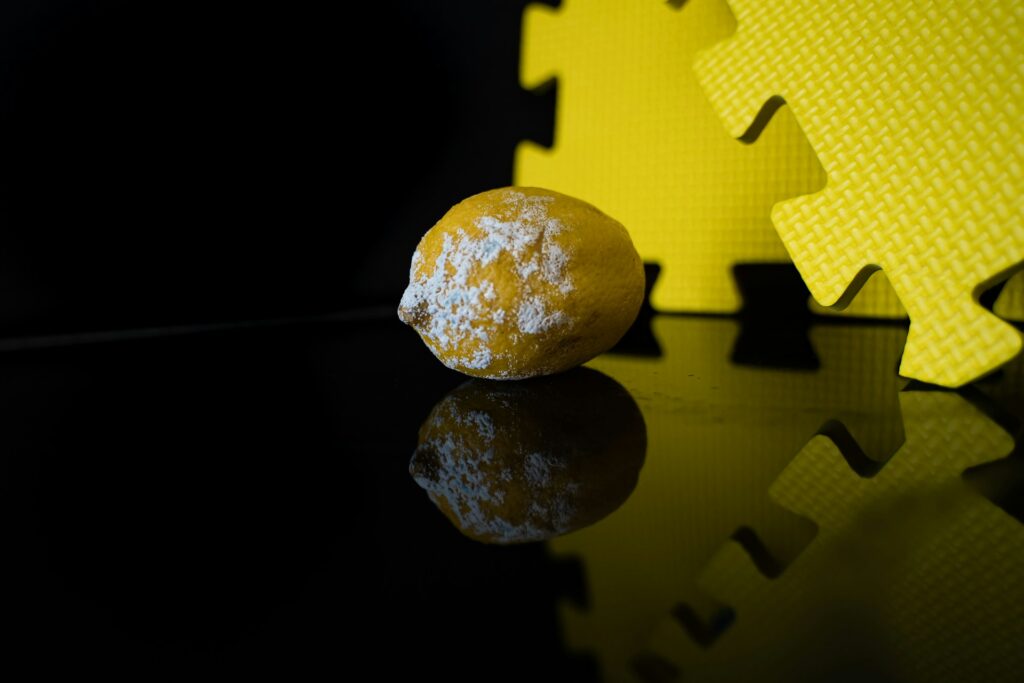
Homemade cleaning remedies for black mold also work on white mold. However, you’ll likely find white mold on indoor plants. The fungi love taking root in overwatered soil and soggy leaves. Spray the plants or household surfaces with white vinegar to eliminate the spores and gently wipe away any growth.
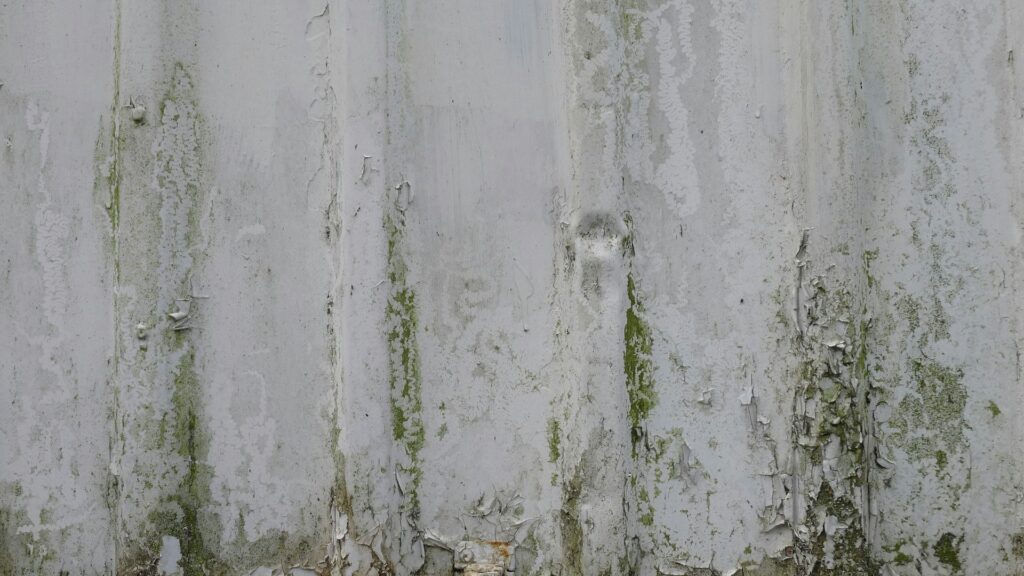
Although green mold might not look harmful, it can still cause allergy-like symptoms and foul odors because its spores spread the same way as black mold. DIY mixtures work easily on green growths, but you can also neutralize the infestation with lemon juice. The naturally acidic content will kill the spores. You might need to follow it with vinegar or hydrogen peroxide if the growth occurred on a porous surface like wood.
Small mold spots aren’t necessarily a safety concern while you’re cleaning them. Growths larger than a few centimeters across will dislodge a significant amount of spores once you start scrubbing. Stock up on supplies that will shield your health so getting rid of mold doesn’t cause any airway infections or sneezing.
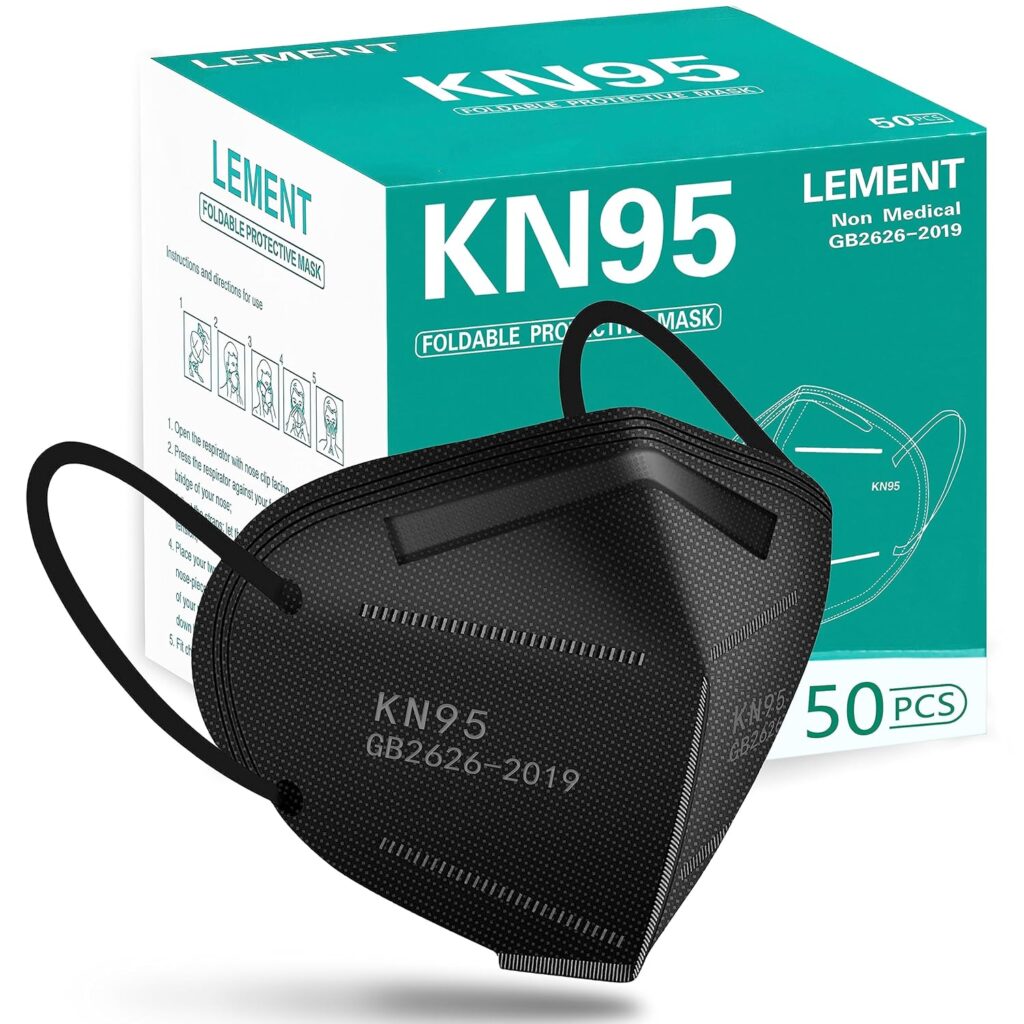
A face mask will reduce the chance of inhaling mold spores if it’s effective. KN95s are among the best you can use because they block large and small airborne particles with more than 95% effectiveness. Strap one around your ears, fit the internal metal band piece snug against the bridge of your nose and inhale. If the mask bends inward toward your mouth on both sides, you’ll know you’re not breathing mold spores.
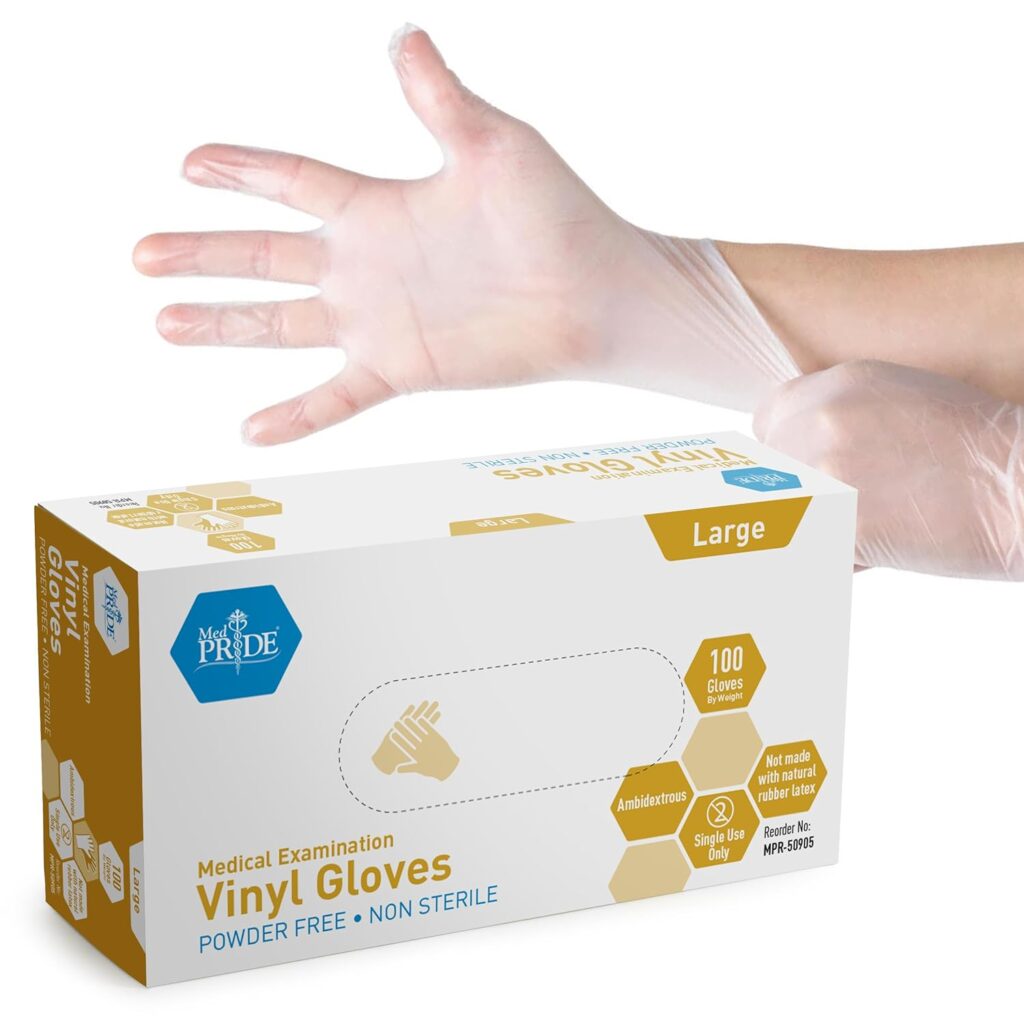
It’s a good idea not to touch mold or the cleaning solutions you’ll use to scrub it away. The spores could linger on your hands and follow you around the house. The acidic liquids you need to kill the mold could also cause skin irritation. Wear medical-grade vinyl gloves during your cleaning session to protect your hands, minimize spore spread and avoid any allergic reactions that people sometimes have with latex alternatives.
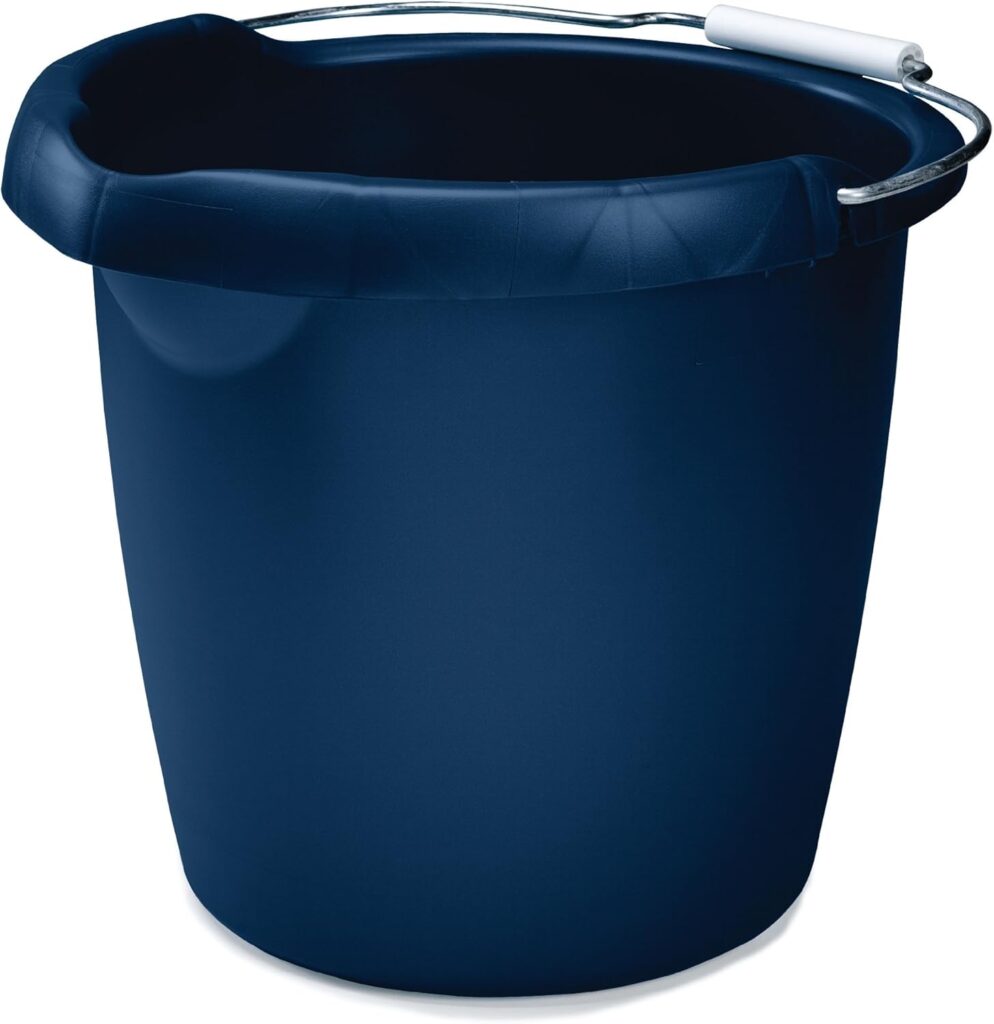
If you have a big mold problem, you’ll need more than a small bowl of vinegar or hydrogen peroxide. Use a sturdy bucket to mix your selected agent with water. You can double or triple the amount you make and still have plenty of room left in the bucket to prevent sloshing over the edges. When people learn how to kill mold on wood, they sometimes forget the usefulness of a big bucket for even small mold problems.
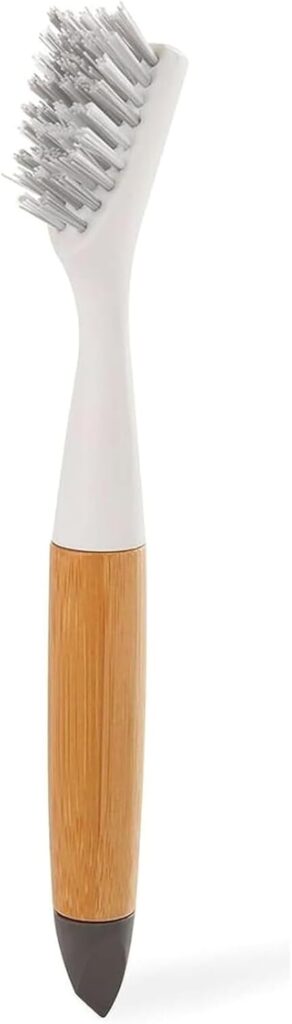
You could wipe black mold away with a sponge, but the porous material won’t reach into the wood grain beneath it. A micro bristle brush is an excellent tool for that purpose. The tiny bristles will scrub into the wood without damaging it, loosening spores to ensure full mold removal.
Once you know what kills black mold on wood, you won’t have to worry if you spot fuzzy growths in your home. Use the supplies you likely already own to eliminate it. If you wear a mask and scrub the area with an effective bristle brush, you’ll take care of the problem in minutes without risking your health.
Diluted vinegar kills black mold instantly because it neutralizes the spores. The organic solution also sinks deeply into porous surfaces like wood, so it kills the surface layer and the rooted mold colonies within the wood grain.
Black mold is harmful to breathe in because the mold spores irritate lung lining. You could experience asthma symptoms, coughing, sneezing, congestion and eye irritation. If left unattended for long periods, you may even develop a lung infection requiring hospitalization.
Vinegar is better to kill mold on wood because it neutralizes black mold instantly and absorbs into the wood grain. Bleach is a chemical compound that doesn’t sink into wood. Using bleach kills mold on a flat surface, but vinegar will eliminate mold spores on a flat surface and inside its porous material.