

We are reader-supported. When you buy through links on our site, we may earn an affiliate commission.
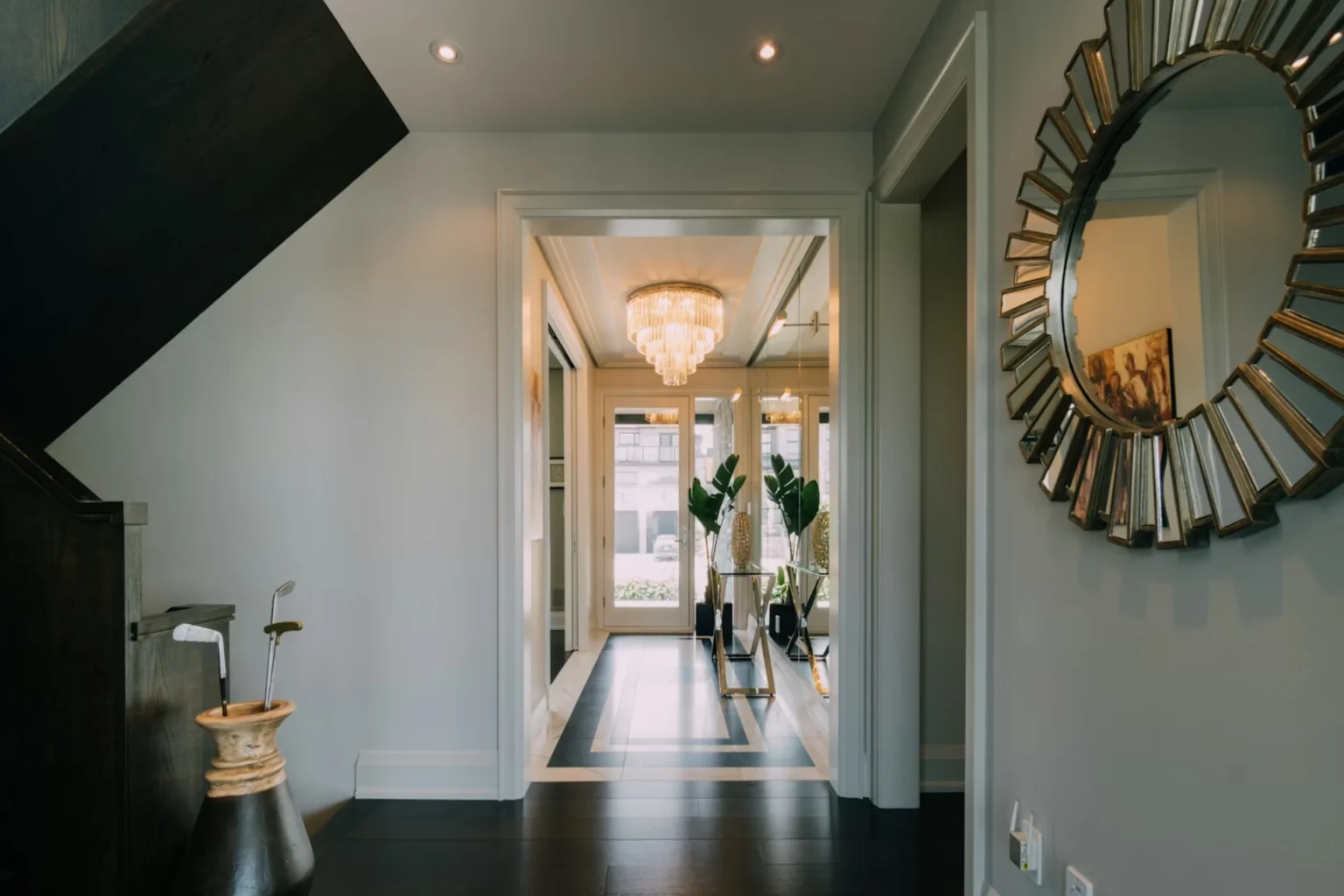
Your home deserves to feel both open and intentional. A cased opening offers the perfect balance by defining spaces without the visual weight of walls or doors. This simple architectural feature adds character and flow, transforming your layout from a single undefined box into a thoughtfully designed home. Here are tips for installing a cased opening at home.
A cased opening acts as the architectural middle ground your home needs. It defines separate zones without sacrificing natural light or creating the boxed-in feeling that traditional walls bring. You get clear visual boundaries between your kitchen and dining room or your living space and hallway while maintaining the airy, connected flow that makes modern homes feel spacious.
A cased opening adds instant architectural character to builder-grade homes. The trim work frames each space like a piece of art, drawing the eye through your home’s layout and creating intentional sightlines. It honors the open-concept layout, which is preferred by 51% of Americans. It gives you defined rooms without installing doors and improves traffic flow by creating clear pathways between areas.
The right cased opening style transforms a simple passageway into a design statement. Your choice of trim details and proportions sets the tone for your entire space, whether you want classic formality or contemporary simplicity.
Different trim styles create distinctly different moods in your home:
A cased opening offers more design possibilities than you might expect. Smart builders and designers use these openings as multifunctional elements that frame doorways while adding storage, structure and style. Creative cased opening ideas can transform your project from standard to spectacular.

Built-in storage and shelving turn your cased opening into a practical feature. Flanking bookshelves or display niches add function while emphasizing the opening as a focal point. Structural support columns can become beautiful design elements when you wrap them in decorative trim or finish them with textured materials. Consider a beautiful arched opening instead of a standard rectangular frame for a softer, more distinctive look.

Textured and rustic beams bring organic character to modern spaces. You can also create a gallery effect with multiple cased openings defining a hallway, establishing rhythm and visual interest throughout your home. A wide cased opening dramatically connects two large spaces while maintaining just enough separation to define each area’s purpose.
Proper planning makes the difference between a frustrating weekend project and a smooth installation. Taking time to gather materials and measure carefully saves you from mid-project store runs and costly mistakes.
Assembling everything before you start keeps your workflow efficient:
Accurate measurements determine whether your cased opening fits correctly and looks professionally installed. Measure the width and height of your rough opening at three different points for each dimension. Walls and floors settle over time, creating variations that can throw off your installation if you only measure once.
Record the smallest measurement for each dimension to ensure your jamb assembly fits even if the opening is slightly irregular. Check that your rough opening is reasonably square by measuring diagonally from corner to corner in both directions. These measurements should match within a quarter inch. Clear the opening of debris, old trim or protruding nails before you begin installation.

Breaking the installation into clear stages makes the process manageable, even if this is your first carpentry project. Work methodically through each step and check your alignment frequently.
While a labor-intensive phase, building the jamb only costs around $50 to $100, depending on your project requirements. Cut your jamb stock to create two vertical side jambs and one horizontal head jamb. The side jambs should match the height of your rough opening, while the head jamb spans the width.
Connect these three pieces to form a U-shaped frame, securing the head jamb to the top of each side jamb with finish nails or screws. This assembly creates the structural foundation that supports your decorative casing.
Position your assembled jamb frame into the rough opening. Use a level to confirm that both side jambs are perfectly plumb and the head jamb is level. Insert shims between the jamb and the rough framing at several points along each side, typically every 12 to 16 inches. These let you make tiny adjustments until everything aligns correctly.
Secure the jamb by nailing through the shims into the rough framing. This technique locks your adjustments in place and prevents the jamb from shifting. Trim the protruding shim ends flush with the jamb face using a utility knife or handsaw.
Measure and cut your casing trim pieces, mitering the corners at 45° angles for a clean, professional joint. Start with the head casing across the top, then add the side casings down each vertical edge. Position each piece so it sits slightly back from the inside edge of the jamb, creating a small reveal line that adds visual interest.
Nail the casing to both the jamb and the wall framing beneath. This dual attachment creates a secure, stable installation that won’t shift or gap over time.
These final details elevate your work from acceptable to exceptional. Professionals know that careful finishing makes amateur work look expert and prevents callbacks for touch-ups.
Fill all nail holes with wood filler, slightly overfilling each one. The filler shrinks as it dries, so adding a little extra prevents dimples. Run a thin bead of caulk along the seam where the casing meets the wall, smoothing it with a damp finger for a seamless transition. Sand all filled areas and the entire casing surface lightly with fine-grit paper.
Apply your chosen paint or stain finish. Consider using contrasting shades to ensure your cased opening complements your overall design direction. Multiple thin coats deliver better results than one heavy application.
Installing a cased opening creates an attractive passageway that delivers lasting architectural value. You’ve added character that elevates your entire space while maintaining the open flow that makes your home feel generous and connected. This thoughtful upgrade defines your rooms with intention, proving that the smartest design solutions often sit right in the middle.