

We are reader-supported. When you buy through links on our site, we may earn an affiliate commission.
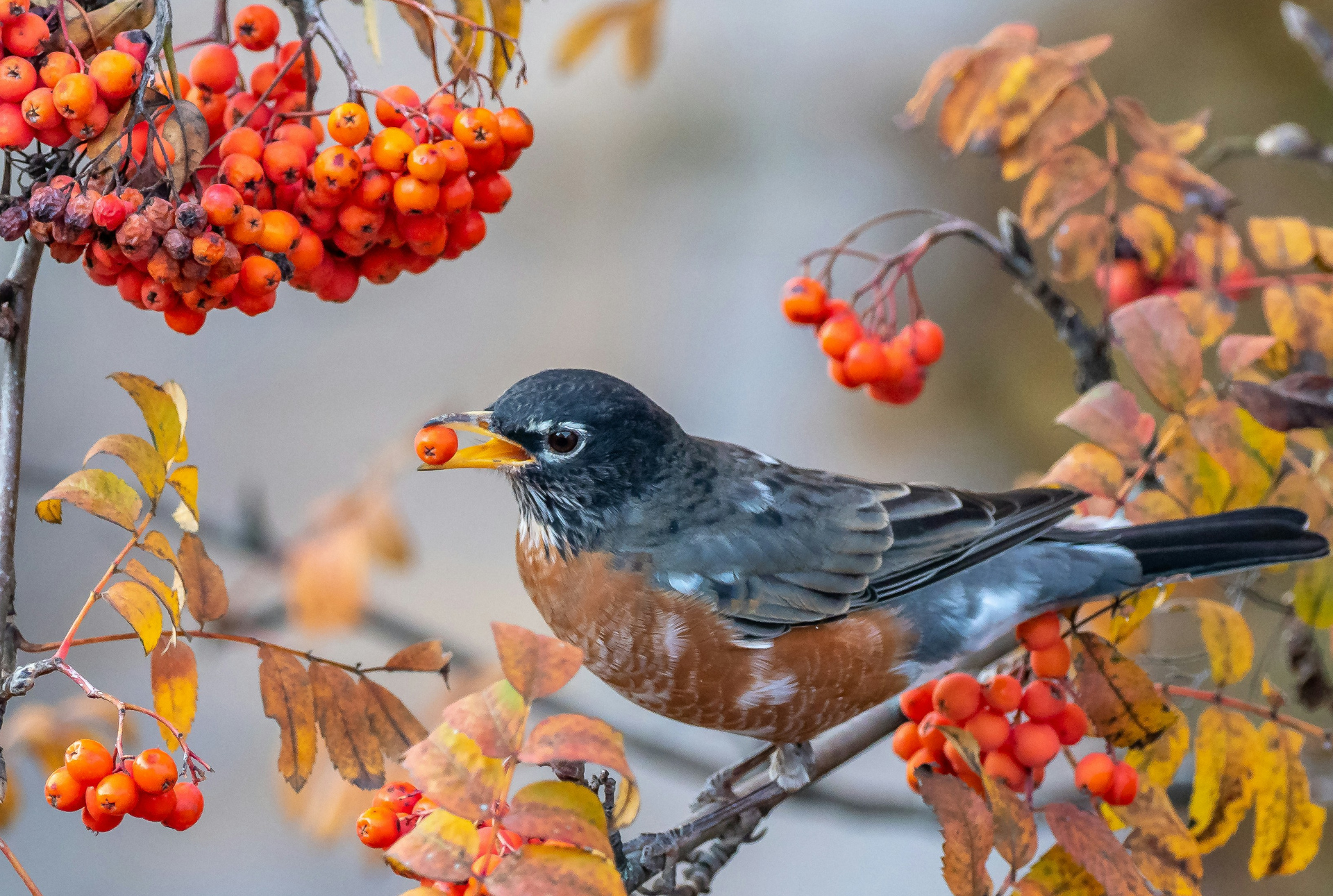
Every backyard gardener knows the joy of watching cardinals visit the feeder or robins hunt for worms at dawn. Yet recent research reveals a troubling reality. The most common bird species are disappearing at alarming rates, and habitat loss stands as the primary culprit. Your garden can become part of the solution. Gardening for birds transforms ordinary yards into vital sanctuaries that help reverse these declines.

The crisis unfolding in our backyards isn’t about rare or exotic species. It’s about the sparrows, wrens, finches and warblers you see every day. New research covering nearly 60 years shows the most abundant and widespread bird species are experiencing the greatest decline as natural habitats vanish. Our much-loved feathered neighbors are trying to survive while spaces disappear beneath housing developments, parking lots and manicured lawns.
Think about the American goldfinch brightening your summer garden or the cheerful song sparrow announcing spring. These everyday species depend on the insects, seeds and shelter that native ecosystems provide. When we eliminate diverse plant communities, we remove the food sources and nesting sites these birds need to survive. Habitat loss drives the steepest population declines, which means every yard that restores native habitat becomes a lifeline.
Your property holds more power than you might imagine. Here’s how to transform your outdoor space into a thriving home for birds. Each action strengthens a vital network of safe havens.
Glass poses an invisible threat that kills an estimated 1 billion birds annually in the United States. Birds perceive reflections of sky and trees as open flight paths, leading to devastating collisions. Simple actions can reduce window strikes by up to 95%.
Effective solutions include:
Place these treatments on the outside of windows for maximum effectiveness.

How to plant for birds starts with understanding that local bird species evolved alongside regional, native plants. These plants produce the specific insects, seeds and berries that sustain everything from nesting parents to migrating flocks. They are also typically drought-tolerant and resilient to the changing climate.
Research shows that people inhabit 77% of the earth‘s surface, making personal gardens a critical part of the ecosystem.
Select plants that provide resources throughout the year. Consider incorporating these plant groups into your landscape:
You can find native plants for your area through the Audubon Society’s database using your ZIP code. Start with a few species and expand your native garden over time.
Bird feeders can supplement natural food sources, but cleanliness is nonnegotiable. When birds congregate, diseases like Salmonellosis and avian pox can spread if feeders are not cleaned properly. Smart bird feeder placement also protects the birds you’re trying to help.
Position feeders at least 30 feet from windows to reduce collision risk. If that distance isn’t possible, place them within 3 feet of the glass. Birds leaving nearby feeders won’t gain enough speed to injure themselves during strikes. Clean feeders every two weeks with a 1:4 solution of white vinegar and water, rinsing thoroughly and allowing them to dry completely before refilling.
Empty and clean feeders immediately if you notice sick birds. Remove seed that appears wet or moldy. These maintenance habits keep your feeding station safe.

Birds need reliable water for drinking and bathing year-round. Clean feathers are better at shedding parasites and helping birds escape predators. In winter, bathing helps keep feathers waterproof and insulating so birds can survive freezing temperatures. Gardening for birds should always include thoughtful water features.
A safe bird bath includes shallow water no more than 2 inches deep with a gently sloped side. Birds can’t swim, so they need to wade in gradually. Place the bath near shrubs or trees where birds can retreat if predators approach, but keep it far enough away that cats can’t ambush from cover. Change the water every few days to prevent mosquito breeding and disease transmission. In winter, use a heated bird bath or add fresh warm water daily.
Resist the urge to rake every leaf and haul away fallen branches. These natural materials create an essential habitat that supports the entire food web. Brush piles provide critical resting and escape cover for ground-dwelling birds such as towhees, thrashers and sparrows. The insects sheltering in leaf litter become food for the birds hunting through your garden.
Stack larger branches at the bottom of a brush pile and layer smaller twigs on top. Tuck the pile into a corner of your property where it won’t interfere with your aesthetics. The mix of cover and food it provides benefits countless species beyond birds. Leave leaf litter under shrubs and in garden beds to decompose naturally, enriching your soil.

Pesticides and fertilizers inflict direct and indirect harm on bird populations. The largest declines in bird populations are associated with areas of high-intensity agriculture and heavy chemical use. Even more concerning, insect-eating bird populations show only weak recovery even after pesticide bans take effect.
When you eliminate insects with pesticides, you eliminate the primary food source for most birds, especially during breeding season when parents need protein-rich caterpillars to feed their chicks. Gardening for birds means accepting some leaf damage and sharing your space with beneficial insects. Welcome native plants that naturally resist pests. Hand-pick problem insects or use targeted organic solutions, such as diatomaceous earth, only when necessary. A thriving ecosystem balances itself over time.
Artificial light disrupts the natural behaviors of migratory birds. An estimated 80% of species migrate at night and become disoriented by illuminated buildings. Confused birds circle lighted structures, collide with glass or exhaust themselves. Small changes to your outdoor lighting help migrating birds navigate safely.
Simple solutions make a significant difference:
These adjustments benefit birds while reducing your energy costs and light pollution.

When individual homeowners transform their properties into bird-friendly spaces, these efforts create a powerful network of safe habitats across entire neighborhoods and regions. Start with one or two changes that feel manageable. Add native plants this summer or install window deterrents this weekend. Every action counts when homes across the country embrace bird feeder placement strategies and learn how to plant for birds. You’ll enjoy a more vibrant, living garden while contributing to a solution that genuinely makes a difference.