
We are reader-supported. When you buy through links on our site, we may earn an affiliate commission.
What is an ADU? The acronym stands for an accessory dwelling unit, and it’s a must-add to your lexicon if you’re into tiny homes. Why? It’s a way to get around the frustrating planning and zoning restrictions that prevent such builds on many residential lots.
The right ADU could also add considerable value to your property while providing a meaningful solution to the housing crisis. Let’s take a closer look at what an ADU is and how you can use one.
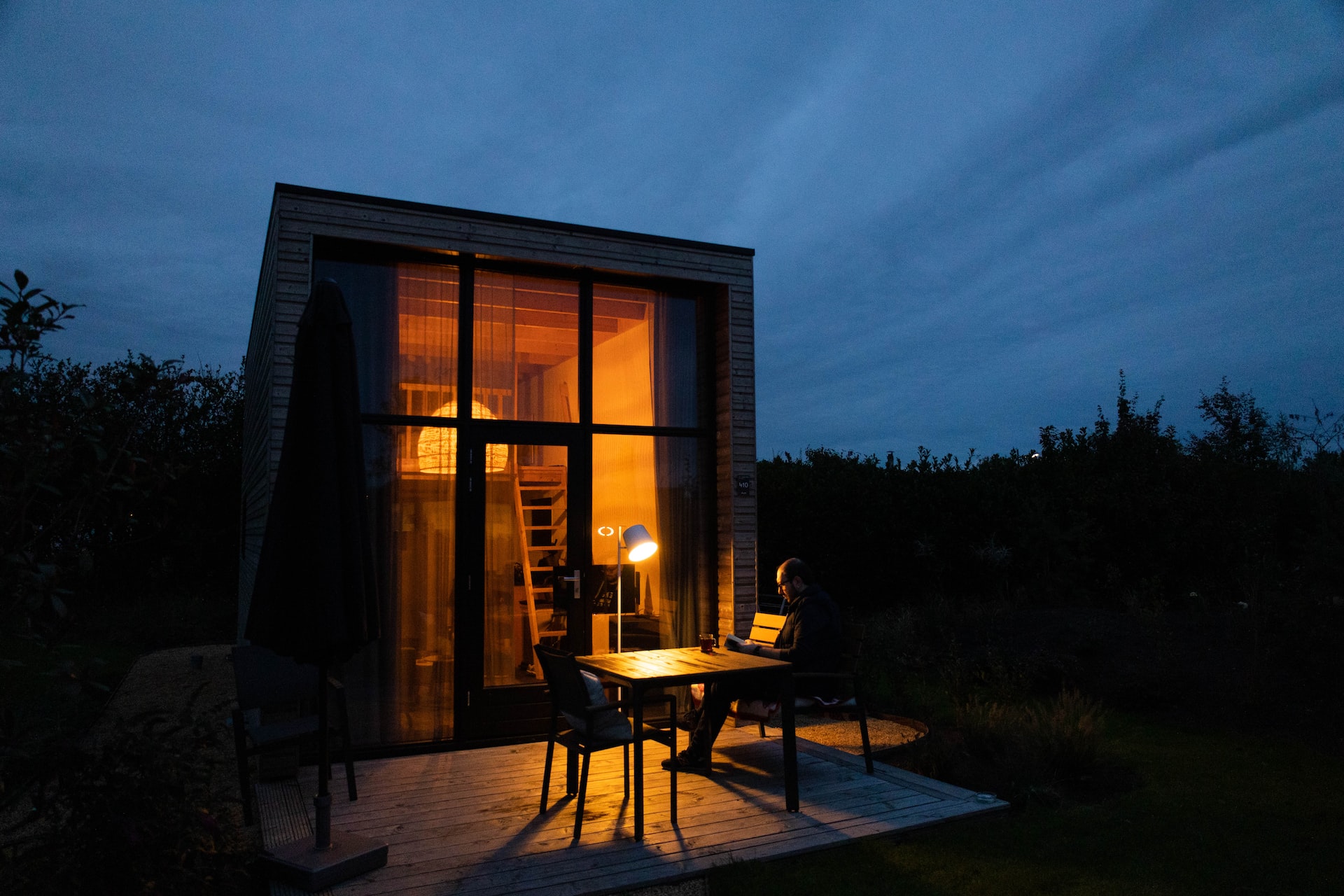
By strict definition, an ADU is an attached or detached structure that provides independent living for one or more people, located on the same parcel as a traditional single-family dwelling. That means the term includes garages converted to mother-in-law suites and tiny homes separated from the primary residence. It excludes things like sheds — unless you soup them up. More on that later.
Can an RV be an ADU? Yes, if it has power and water, although many jurisdictions have restrictions about parking these vehicles on your lawn.
Is it possible to have more than one ADU? The answer here is also yes. However, it all depends on where you live and the local rules. Your first step in any ADU project is to locate your planning and zoning board and apply for all requisite permits. Failure to do so could cost you big time — local authorities can require you to remove your structure at your expense.
Are you considering adding an ADU to your property? You have multiple options, especially today. Why not contemplate how one of these ideas fits into your vision?
Site-built ADUs add value to your property by enhancing the total occupiable living space. However, that’s not the only thing that makes them attractive to many homebuyers.
Consider the soaring cost of housing these days. Many families have taken to multigenerational living in the wake of the crisis merely to survive. They may move in older relatives to spare assisted living costs or give adult children an opportunity to save a downpayment for a home of their own. It’s much more convenient for Grandma or Junior to have an independent space rather than trying to force cohabitation on two households.
The right ADU can also help you generate revenue with your property. How? You can rent out these spaces as long-term rentals or vacation properties and rake in residual income for minimal upkeep costs.
Maybe you have land but aren’t interested in the DIY lifestyle. Have you considered charging site rent for a long-term tenant to construct an ADU on your property? You’ll have to haggle out the legal details, but the overall process is similar to how trailer parks function. Be sure to consult a reputable attorney to hammer out the agreement.
If you like banging hammers, why not build one ADU or more to use as vacation rentals, especially if you live in an attractive tourist destination? You can even get creative with treehouse designs, setting your property apart from others on the listing service.
Maybe you want to be part of the solution to the housing crisis. If so, constructing an ADU and renting it out at an affordable rate to a needy family could make you a hero — all while providing a residual income stream. You’ll also save yourself much of the maintenance associated with vacation rentals. Your washing machine will thank you.
You now know how to answer when someone asks you, “What is an ADU?” Is this type of structure right for you?
The right ADU can enhance your property value and provide a residual income stream. Explore what you can do today.