
We are reader-supported. When you buy through links on our site, we may earn an affiliate commission.
Sustainable construction is a smarter way to build, renovate and design homes. With rising material costs and increasing environmental concerns, waste reduction and resource efficiency are essential for homeowners, builders and DIYers looking to create high-quality, eco-friendly spaces.
Construction and renovation projects generate massive amounts of waste, from excess materials to discarded packaging. At the same time, inefficient resource use can drive up costs and carbon footprints. By implementing sustainable building practices, you can minimize waste, optimize materials and boost your home’s value. Explore how waste reduction and resource efficiency work together to support sustainable construction.
Sustainable construction depends on two key principles: waste reduction and resource efficiency. While they overlap, each plays a distinct role in minimizing environmental impact and cutting costs.
Waste reduction focuses on limiting discarded materials during construction, renovation or demolition. This includes:
Resource efficiency ensures materials, energy and water are used effectively, reducing long-term costs. Key strategies include:
By combining waste reduction with resource efficiency, homeowners, builders and DIYers can create greener, more cost-effective spaces.
Reducing waste in construction starts with smart planning and mindful material use. Whether renovating a home, building from the ground up, or tackling a DIY project, these strategies can help minimize waste and environmental impact.
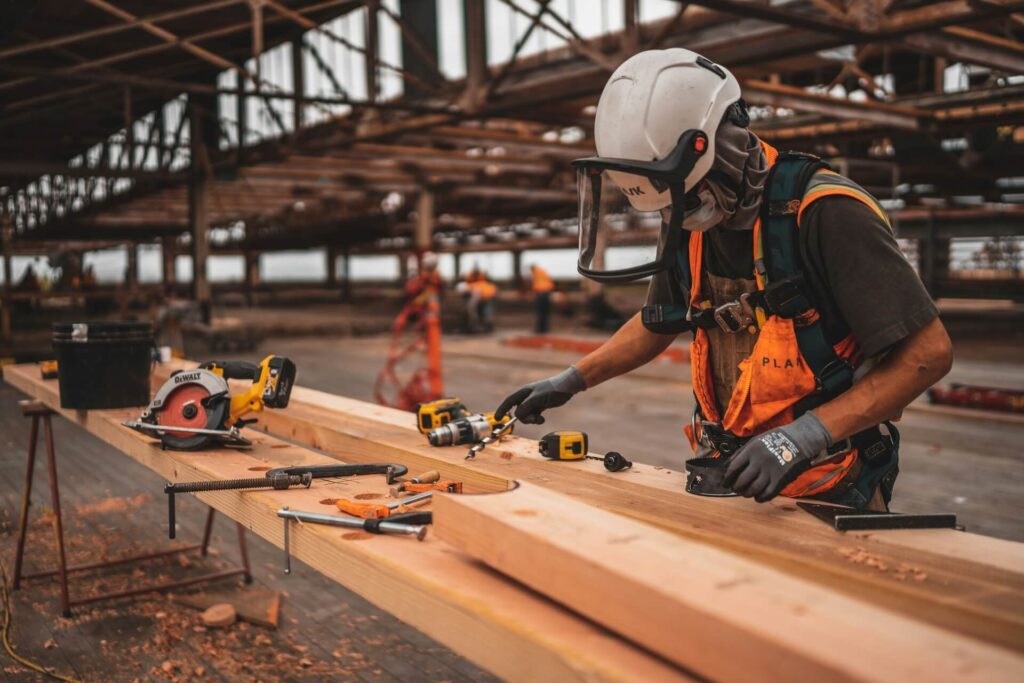
Careful planning reduces excess materials and unnecessary costs. This includes:
Reclaimed wood, salvaged bricks and recycled steel reduce waste and add character to a project. Many suppliers offer high-quality recycled materials that meet modern construction standards.
Poor storage leads to damaged materials that go to waste. Keep lumber, drywall and other materials covered and off the ground to prevent moisture damage and warping.
Instead of tearing down structures and sending debris to landfills, salvage usable materials like doors, cabinets and fixtures. Organizations like Habitat for Humanity accept donations, keeping valuable materials in circulation.
By implementing these waste reduction techniques, homeowners and builders can lower costs, reduce landfill waste and contribute to more sustainable building practices.
Maximizing resource efficiency ensures that materials, energy and water are used effectively throughout a building project. Whether constructing a new home, renovating, or making small upgrades, these strategies can help reduce waste and improve sustainability.

Investing in long-lasting materials reduces replacement needs and prevents waste. Look for:
Efficient design minimizes excess material use. Consider:
Reducing energy consumption starts with design and construction choices:
Water-efficient features lower utility bills and environmental impact:
By integrating these resource efficiency strategies, homeowners and builders can create eco-friendly homes that are both cost-effective anf environmentally responsible.
The circular economy shifts construction away from a “take, make, waste” model toward one that maximizes reuse, recycling and sustainability. Instead of discarding materials after a single use, this approach keeps them in circulation, reducing waste and lowering costs.
Adaptable layouts, modular components and durable materials extend a building’s lifespan and minimize construction waste. Reclaimed wood, repurposed bricks and modular systems support long-term sustainability.
Recycled concrete, steel and glass reduce demand for new raw materials while supporting waste management in construction. These materials lower environmental impact and cut costs.
Instead of demolishing structures, deconstruction salvages usable materials like cabinetry, fixtures and insulation. This makes construction waste reduction techniques more effective and environmentally friendly.
The most effective waste reduction strategies include careful planning, using reclaimed or recycled materials, properly storing supplies to prevent damage and opting for deconstruction instead of demolition.
Resource efficiency reduces material costs, lowers utility bills and extends the lifespan of buildings. It also enhances energy efficiency, creating a more comfortable and sustainable home.
Emerging solutions include 3D-printed building components, modular construction, and AI-driven material planning, all of which help minimize waste and optimize resources.
Metrics like material yield, energy consumption and water efficiency can help track resource efficiency. Certifications like LEED or ENERGY STAR also assess sustainability performance.
Waste reduction focuses on minimizing discarded materials, while resource efficiency ensures that all inputs are used most effectively. Together, they create a more sustainable construction process.
Waste reduction and resource efficiency are essential pillars of sustainable construction, benefiting homeowners, builders and the environment. By minimizing waste and optimizing materials, you can lower costs, reduce landfill contributions and create long-lasting, eco-friendly spaces.
Whether planning a home renovation, taking on a DIY project, or building from the ground up, adopting sustainable practices makes a lasting impact. Small changes can collectively lead to greener, most cost-effective homes.